
-

-


Follow Us
-

 On Facebook
 On Flipboard

The confetti from Round 1 hadn’t even been swept up. Somewhere in the Giants facility, John Harbaugh already knew what was coming. His star wide receiver, Malik Nabers, had gone on a Bleacher Report livestream during the draft and torched the organization’s picks in real time. Not privately. Not through back channels. On camera, to a national audience, while the selections were still being announced. By morning, Harbaugh needed to be in a room with Nabers, face to face, explaining himself. The new era was already on fire.
Two Top-10 Picks, Zero Safeties
The Giants held the fifth and tenth overall picks. They used No. 5 on Ohio State linebacker Arvell Reese, 6’4″, 241 pounds, the first selection of the Harbaugh era. Then at No. 10, they grabbed Miami offensive lineman Francis Mauigoa. Both picks pointed toward one priority: protect quarterback Jaxson Dart. Meanwhile, Caleb Downs, a generational safety prospect who’d been mocked to the Giants across multiple pre-draft boards, sat there. Available at five. Available at ten. The Giants looked at him twice and said no both times.
The Philosophy Behind the Pass
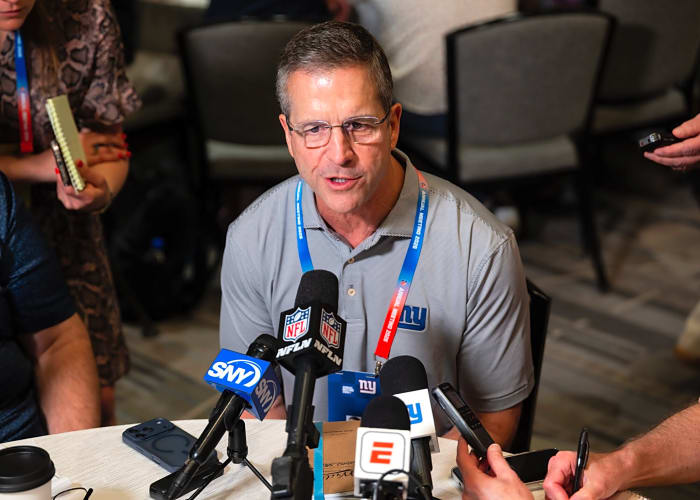
Defensive coordinator Dennard Wilson is now the voice shaping the Giants’ defense under Harbaugh, hired in January 2026 after spending the previous two seasons running the Titans’ defense. The organizational lens is clear: divisional matchups against Philadelphia and Dallas drive every roster decision. That’s Harbaugh’s framework. Divisional matchups first, raw talent second. It sounds ruthless. It sounds smart. But most fans assumed draft boards worked on pure talent evaluation, best player available, regardless of opponent. Harbaugh leaned hard on that filter in his very first draft. The Cowboys were about to show everyone the cost.
Dallas Pounces at Eleven
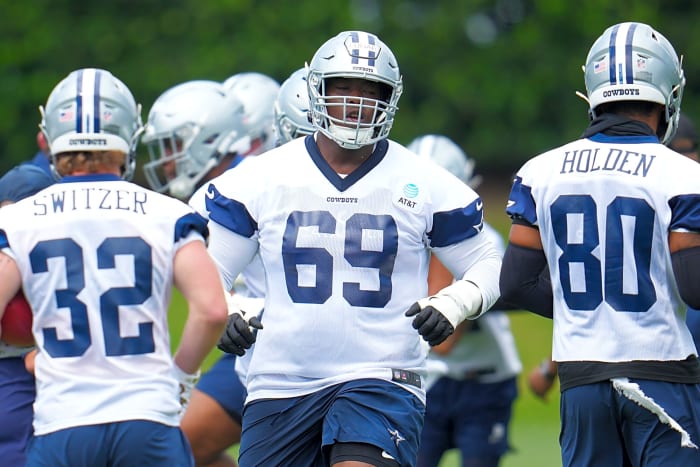
One pick after the Giants passed on Downs for the second time, Dallas traded up from No. 12 to No. 11, sent Miami a pair of fifth-round picks, and grabbed him at No. 11. That’s it. Two late-round selections to acquire what experts called one of the biggest values in the entire 2026 draft. A generational safety, 6 feet, 205 pounds, now wearing a Cowboys star. The framework designed to beat Dallas just handed Dallas a weapon. Harbaugh’s competitive lens created the exact competitive disadvantage it was built to prevent.
The Divisional-First Trap
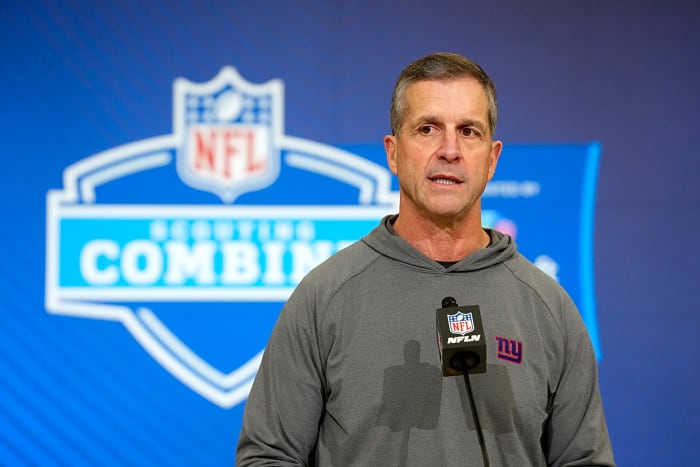
Here’s the mechanism nobody’s naming. When every draft decision filters through “How does this help us beat Philly and Dallas?”, you stop evaluating talent in absolute terms. You start evaluating it in matchup terms. That works until a generational prospect doesn’t fit your matchup model but fits your rival’s roster perfectly. Downs was a hybrid coverage weapon, nickel, safety, blitz packages. The Giants saw offensive line help as more urgent. So the system spit Downs out. Straight into Dallas’s lap. The filter worked exactly as designed. That’s the problem.
A Nine-Year Rarity, Gone
Only a handful of safeties had been selected in the top 10 since 2000. The last was Jamal Adams in 2017. That’s a nine-year gap of positional rarity. Downs represented something that almost never happens: a safety prospect valued highly enough to warrant a top-11 selection. The Giants had two chances to grab that rarity. They invested both picks elsewhere. Dallas spent two fifth-rounders to move up one spot and captured roughly a decade’s worth of draft scarcity. The cost difference between those investments is staggering.
Nabers Saw It Coming
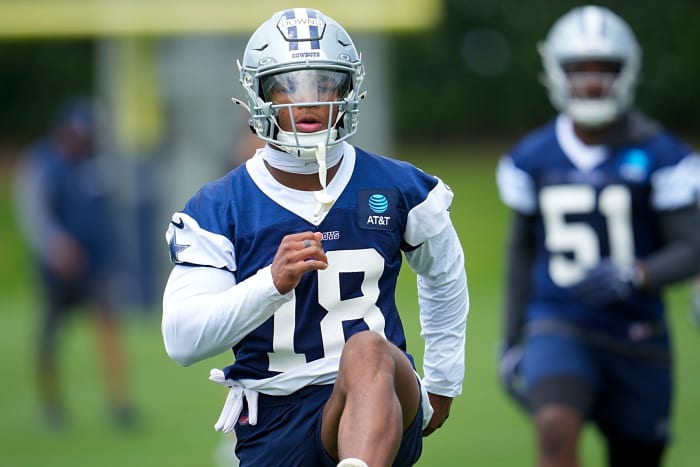
Nabers didn’t just complain about the picks. He diagnosed the miss in real time. “I’d rather have him on our side than play against him,” Nabers said when Dallas took Downs, standing up from his couch in reaction. That’s a wide receiver breaking down a defensive back’s value with star-level urgency. When your franchise offensive star understands the defensive value you’re passing on better than your draft board reflects, team chemistry cracks before the season starts. Harbaugh’s morning meeting wasn’t optional. It was organizational survival.
The New Rule in New Jersey
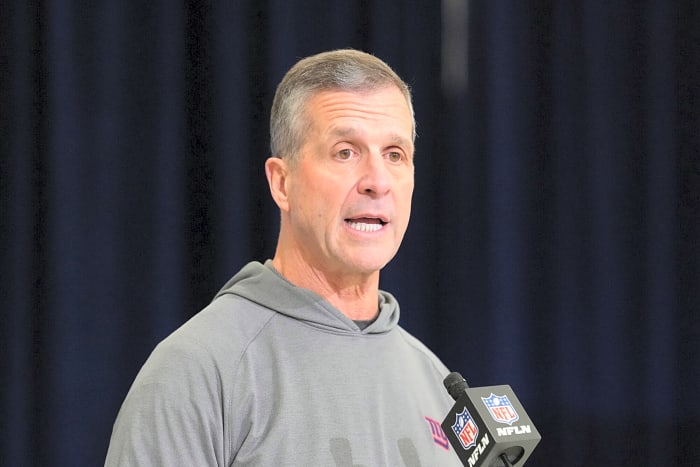
Harbaugh’s Ravens ran best-player-available drafts with a defensive emphasis for years. The Giants are getting something different. Divisional-first thinking is now the organizational operating system, and every future pick gets filtered through that same rivalry lens. Once you see it, you can’t unsee it: this franchise will evaluate prospects with an eye on beating two specific teams. That’s a precedent. Competitors now know the Giants’ decision framework. And the Cowboys just proved they can exploit it by sitting one pick below and catching what falls through.
The Clock Starts on Harbaugh
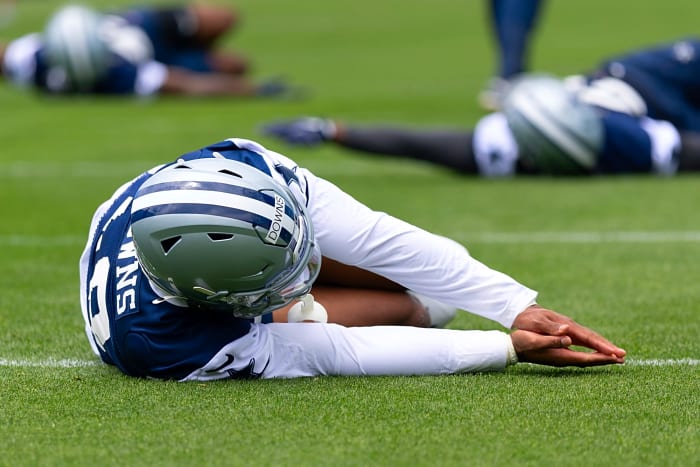
If Downs plays at a starter level for Dallas, this decision compounds annually. Every NFC East matchup becomes a referendum. Every Downs highlight against the Giants secondary becomes evidence. Harbaugh reportedly got Nabers “fired up” about Reese’s defensive plans during that morning meeting. Good. But one conversation doesn’t undo two passed opportunities. The Giants used additional Day 2 capital to add cornerback Colton Hood from Tennessee in the second round and receiver Malachi Fields from Notre Dame in the third. The secondary, though, now faces a generational talent in its own division twice a year.
Twice a Year, for Years
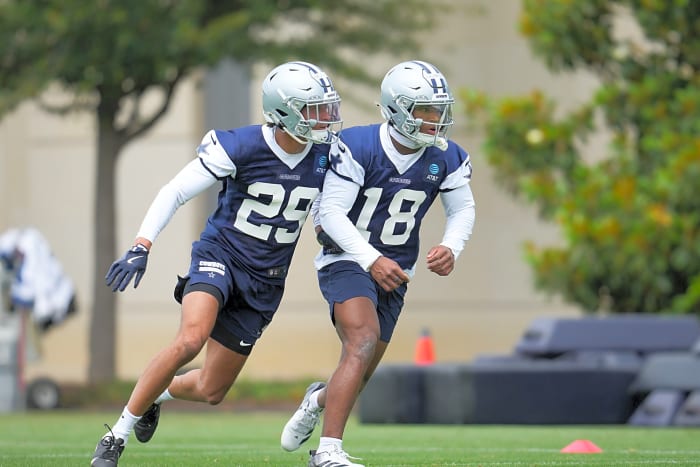
Draft decisions are permanent. Caleb Downs is a Cowboy. Arvell Reese and Francis Mauigoa are Giants. The framework that produced those choices is now public knowledge. Every team in the NFC East knows the Giants evaluate talent through a divisional rivalry filter, which means every team knows where the blind spots live. The Cowboys didn’t just win a draft pick. They exposed a system. And the Giants will spend the next several years proving whether that system was brilliant or whether it armed the enemy. Did the Giants outsmart themselves, or will Reese and Mauigoa look like the smarter long-term bets two seasons from now? Tell us in the comments who you think won this trade-off — Harbaugh’s Giants or Dallas.
More must-reads:
- Browns may have a new threat to Shedeur Sanders
- ESPN's Adam Schefter gives huge injury updates on Chiefs' Patrick Mahomes, Packers' Micah Parsons
- The 'NFL's active 1K-rushers' quiz
Breaking News
Trending News



Customize Your Newsletter
 +
+




Get the latest news and rumors, customized to your favorite sports and teams. Emailed daily. Always free!
PRIVACY POLICY COOKIE POLICY CONTACT US
ABOUT YARDBARKER TERMS OF SERVICE


By using this site, you agree to our Terms of Service and Privacy Policy.
This site is for entertainment purposes only.
There is no gambling offered on this site.
Gambling Problem? Call 1-800-Gambler.
