
-

-


Follow Us
-

 On Facebook
 On Flipboard
The champagne in the Seattle locker room had barely gone flat before the Paul G. Allen estate put the Seahawks on the market. A defending champion, a record-setting price tag, a franchise dripping with momentum. The kind of asset that should have billionaires tripping over each other to write checks. Instead, the phones went quiet. The bidding war never materialized. ESPN insiders started using a word nobody expected for a freshly crowned champion: “soft.” Something underneath the trophy was scaring money away.
The Estate’s Aggressive Bet
Paul Allen died in 2018. Years later, his estate executor Jody Allen finally pulled the trigger on selling the Seahawks to fund his philanthropic wishes. GM John Schneider relayed her directive at the 2026 Combine: “Let’s go for it. Let’s rip it.” The expected price sits in the $9 billion to $11 billion range, which would shatter every NFL franchise sale record. The estate projected confidence, urgency, and firepower. Potential buyers were supposed to feel that energy. Three confirmed bidders showed up. Three. For a Super Bowl champion.
The Names Who Showed Up
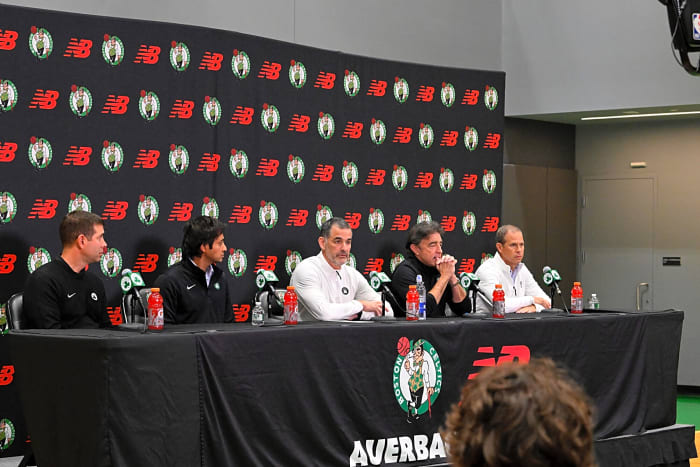
Aditya Mittal and Wyc Grousbeck, both tied to Boston Celtics ownership, submitted a joint letter of interest. Vinod Khosla, a Silicon Valley venture capitalist and San Francisco 49ers investor, filed separately. Mark Zuckerberg and Tim Cook? Both were floated in early speculation but aren’t planning bids. The assumption that championship franchises generate bidding wars died right there. An ESPN report described the pool of potential buyers as softer than the league hoped. Not competitive. Not heated. Small. And the reason had nothing to do with the Lombardi Trophy.
The $2.7 Billion Entry Fee
NFL ownership bylaws require a 30% cash down payment. On a $9 billion sale, that means roughly $2.7 billion in liquid capital before a buyer touches the franchise. Few billionaires on Earth can write that check without liquidating other assets. Then comes the part nobody marketed in the brochure. Lumen Field opened in 2002. Twenty-four years old. And the NFL mandates all stadiums meet enhanced playing-surface standards by the start of the 2028 season. Eighteen months after this sale closes. The purchase price was never just $9 billion.
The Hidden Bill Behind the Trophy
SoFi Stadium cost roughly $5 billion when it opened in 2020. That is the modern benchmark for NFL stadium construction. Whether a future owner pursues a major Lumen Field renovation or eventually a full replacement, the capital commitment stacks on top of the $9 billion-plus purchase price and the multibillion-dollar down payment. Buyers did the math. The estate said “let’s rip it.” The market said “let’s think about it.” Capital requirements, not enthusiasm, determined the outcome.
A $19.4 Million Band-Aid
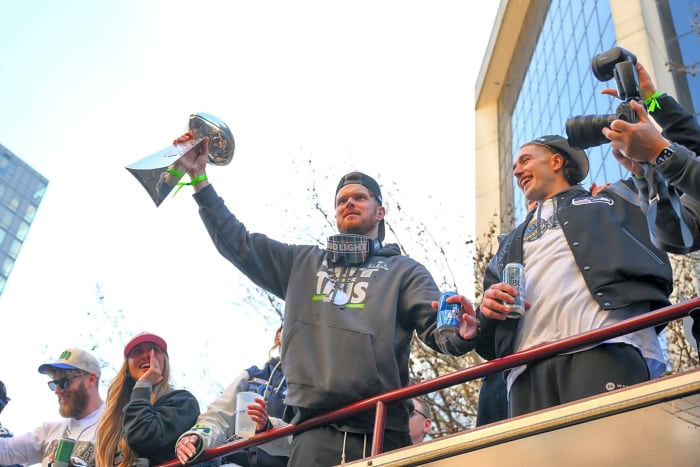
Washington state approved $19.4 million in Lumen Field renovations for the 2026 FIFA World Cup, including replacing artificial turf with stitched natural grass. The stadium even got temporarily rebranded for FIFA compliance because of sponsorship rules. On paper, that looks like investment. In practice, it is a temporary patch on a 24-year-old building facing a mandatory NFL compliance deadline. Spending $19.4 million on a structure that may need far larger upgrades down the line is like repainting the shutters on a house with a crumbling foundation.
The Sounders Get Caught in the Crossfire
The Seahawks and Sounders both call Lumen Field home, with the Sounders sharing the venue under First & Goal Inc. Whoever buys this franchise becomes the Sounders’ landlord. The Seahawks’ stake in the Sounders is a separate asset, not included in the football team sale, per Paul Allen’s estate directives. That creates staggered operational complexity no buyer asked for. A new owner prioritizing stadium upgrades could squeeze Sounders operations, renegotiate lease terms, or simply deprioritize soccer entirely. One franchise sale now threatens two teams’ futures.
The Rule Book Nobody Talks About
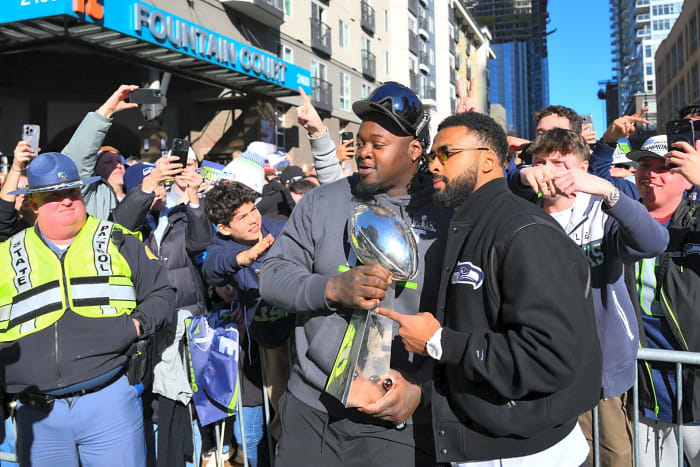
NFL finance committee chairman Clark Hunt is watching this sale as a test case. The league caps private equity investment at 10%, which chokes off financing options that could expand the buyer pool. If the Seahawks sale stalls because capital constraints are too severe, the league may be forced to relax that cap. Washington state lawmakers have also advanced a 9.9% “Millionaires’ Tax” on Washington income above $1 million, set to take effect January 2028 with collections beginning in 2029—another cost variable for any ultra-high-net-worth buyer relocating wealth to Seattle. This sale is setting precedent. Every aging-stadium franchise in the NFL is watching what happens next.
The Clock Nobody Can Stop
If the sale stalls through summer 2026, the estate may need to separate assets, selling the Sounders independently or committing to front-load stadium improvements as a buyer incentive. Jody Allen has long signaled that estates of this complexity take many years to resolve. The NFL’s 2028 surface mandate does not care about estate timelines. The franchise valuation could slide from the $9 billion-plus range if urgency forces concessions. Every month without a buyer costs the estate leverage it cannot recover.
The Real Price of a Championship
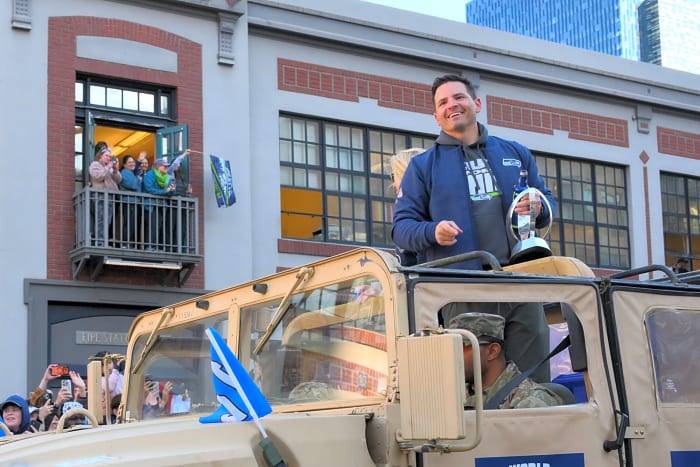
The Seahawks won Super Bowl LX on February 8, 2026. Months later, the franchise that should command the planet’s attention sits with three bidders and a soft market. The trophy did not fail. The stadium did. Any buyer purchasing this team is not buying a football franchise. They are buying an infrastructure commitment that demands billions before they complete their first draft. That is the equation the sale exposed. And every NFL owner with a stadium over 20 years old just felt their phone get heavier. Would you bet $11 billion on a Super Bowl-winning roster knowing the stadium bill comes due before your first draft pick? Tell us in the comments who you’d want holding the keys to the Seahawks—and whether the next owner should renovate Lumen or build new.
More must-reads:
- Giants make shocking decision on Vikings' J.J. McCarthy after struggles of Jameis Winston
- Dolphins hope De'Von Achane's injury doesn't derail offensive plans after RB exits with knee injury vs. Chiefs
- The '100-receiving-yard playoff debuts' quiz
Breaking News
Trending News





Customize Your Newsletter
 +
+




Get the latest news and rumors, customized to your favorite sports and teams. Emailed daily. Always free!
PRIVACY POLICY COOKIE POLICY CONTACT US
ABOUT YARDBARKER TERMS OF SERVICE


By using this site, you agree to our Terms of Service and Privacy Policy.
This site is for entertainment purposes only.
There is no gambling offered on this site.
Gambling Problem? Call 1-800-Gambler.
