
-

-


Follow Us
-

 On Facebook
 On Flipboard

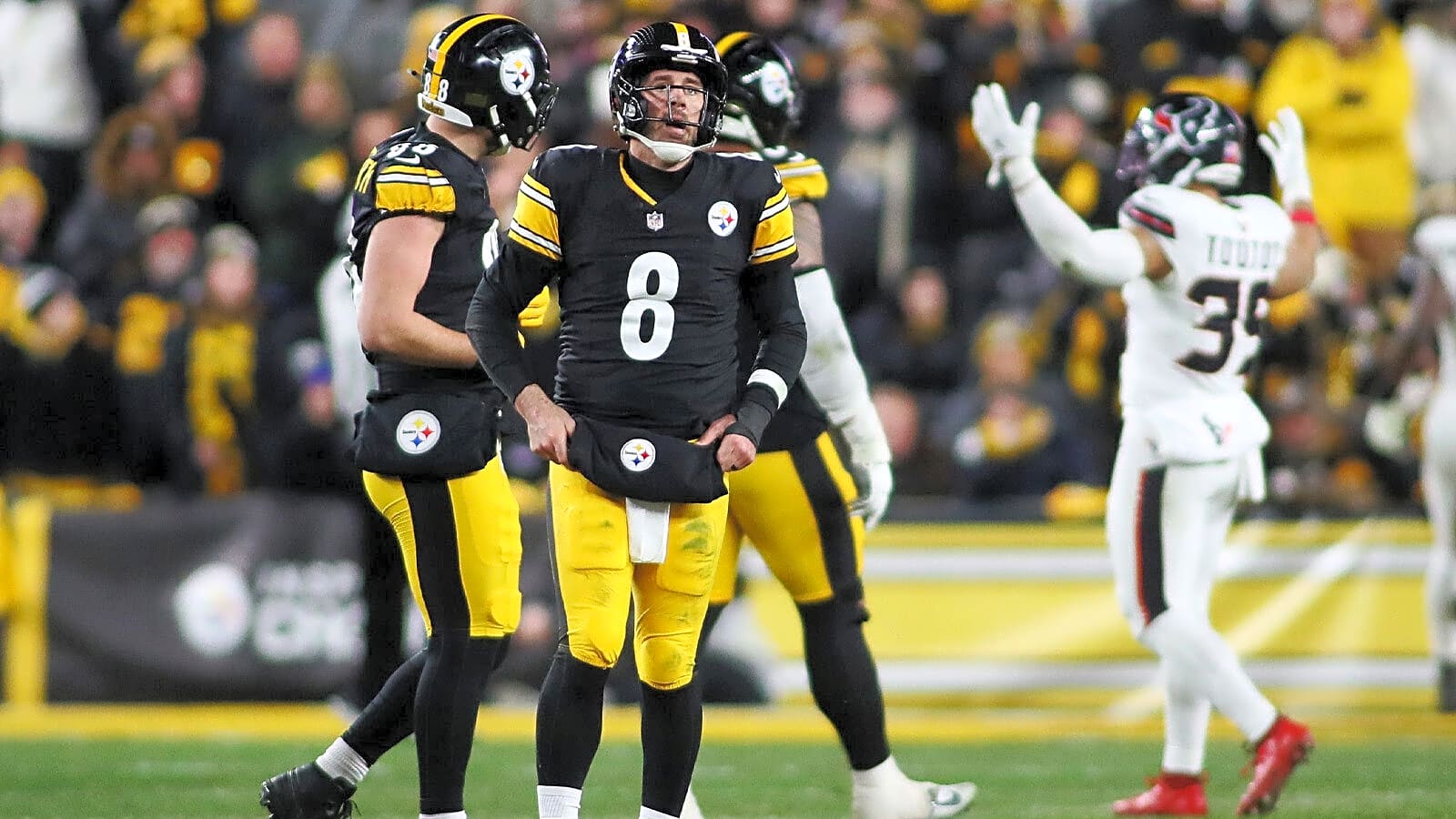
The mood around Pittsburgh has shifted in the past few weeks. Aaron Rodgers has not yet resolved the biggest question hanging over the quarterback situation, but the buzz surrounding Ty Simpson, which once seemed strong around pick No. 21, has quieted.
Brooke Pryor reported that despite the homework done on Simpson and other passers, the expectation is that the Steelers are more likely to use their first-round pick on another position. The organization still believes Rodgers will return, while also keeping the door open to drafting a quarterback later, and this changes the draft situation significantly.
Once a team stops treating its first pick as an emergency quarterback solution, the draft board becomes clearer, and they can now think about value rather than panic. This is why the ideal move is not to trade up but to trade down.
The best strategy on draft day would be to trade down from No. 21 to the later first round or the start of the second round, acquire an additional Day 2 asset, and let another team pay a premium for a quarterback or another sliding prospect. This move aligns perfectly with the current roster, this draft class, and the franchise’s uncertain position now.
The first reason for this is that if the organization is not convinced it should draft a quarterback at 21, then retaining the pick is less valuable than controlling what it can become, and it represents a significant change in mindset.
While pick 21 sounds appealing as it sits in Round 1, the difference between the player available at that spot and the player available eight or ten slots later is often smaller than the advantage of having one premium pick versus two strong picks on Day 2.
Pittsburgh should prioritize this more than most teams, and the roster has too many potential first-round needs for a single selection to address adequately.
According to Pryor, the most likely alternatives at 21 are wide receiver, offensive line, defensive line, or secondary. This wide range indicates that the front office still has multiple problems to solve. When that is the case, the best approach is usually to create another meaningful pick rather than exhaust the value of the first one all at once.
The quarterback situation further strengthens the argument for trading down.
Several teams behind Pittsburgh may convince themselves to move up if a passer they like is still available, whether that’s Simpson or someone else, and the market psychology matters here.
The fifth-year option often drives teams to act, and the latter part of Round 1 is where front offices begin to imagine they can gain value by selecting a quarterback before the board resets overnight. The Steelers should take advantage of this by being the team selling access rather than buying uncertainty.
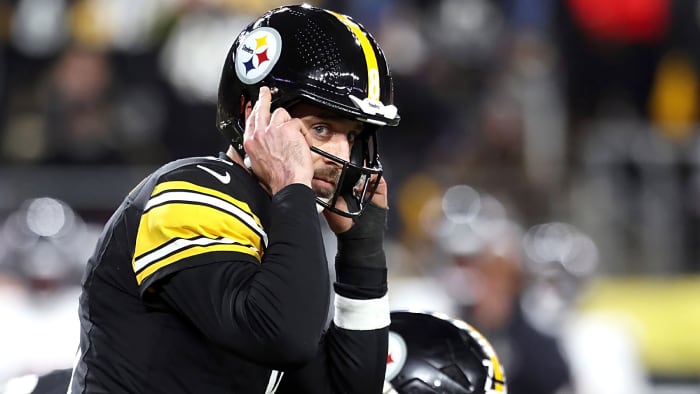
By moving down into the late 20s or early 30s, they would still be in a position to select players they have already been connected to. Offensive line prospects would still be available, as would front-seven help and possibly a receiver if the team is looking for another pass catcher.
In other words, the team would not be sacrificing fit, as it would be capitalizing on the value of its draft position.
This approach is important to them because a roster awaiting Rodgers’ decision should not act like a finished product.
If he returns, the team still needs to provide better support around him, and if he does not, the team will require even more assistance for whatever comes next.
In either scenario, extra draft capital is more beneficial than relying solely on the 21st pick to bridge the gap between the present and the future.
Additionally, there is the Mike McCarthy factor to consider. Pryor’s report clarified what the staff actually desires in a quarterback and why a later pick is more sensible, and the team has been looking for traits that align with McCarthy’s previous preferences, such as arm length, hand size, cold-weather viability, and quick recall.
Several passers may fit this profile on Day 2 or Day 3, including Carson Beck, Garrett Nussmeier, Drew Allar, Taylen Green, and Cole Payton, and it shows the quarterback plan does not vanish if Pittsburgh trades down, because it simply shifts to a range where the staff seems more comfortable selecting.
This is what makes the trade-down strategy perfect rather than simply sensible. It allows the Steelers to engage in the quarterback conversation without abandoning it, and the plan should start with trading back and acquiring another meaningful asset.
Then, the team can use the new pick on a player who can contribute right away, perhaps a lineman, defensive front piece, or receiver, depending on how the draft unfolds, and subsequently, the added capital can provide flexibility on Day 2 when the quarterback class becomes more manageable for a team that doesn’t need to force a first-round solution.
Many teams fall into the trap of false urgency regarding quarterback selection, and they have a chance to avoid this pitfall because the front office appears less inclined to rush the decision at pick 21.
The best use is to let another team overvalue the slot, step back, add another useful pick, and attack the draft from a better position.
That is what fits the board, the coaching staff, and the way this class has evolved over the past two weeks.
More must-reads:
- Bengals make win-now move with shortsighted Dexter Lawrence trade
- Predicting landing spots for top QBs in 2026 NFL Draft
- The 'Stanley Cup Playoff hat-tricks' quiz
Breaking News
Trending News





Customize Your Newsletter
 +
+




Get the latest news and rumors, customized to your favorite sports and teams. Emailed daily. Always free!
PRIVACY POLICY COOKIE POLICY CONTACT US
ABOUT YARDBARKER TERMS OF SERVICE


By using this site, you agree to our Terms of Service and Privacy Policy.
This site is for entertainment purposes only.
There is no gambling offered on this site.
Gambling Problem? Call 1-800-Gambler.
