-

-


Follow Us
-

 On Facebook
 On Flipboard


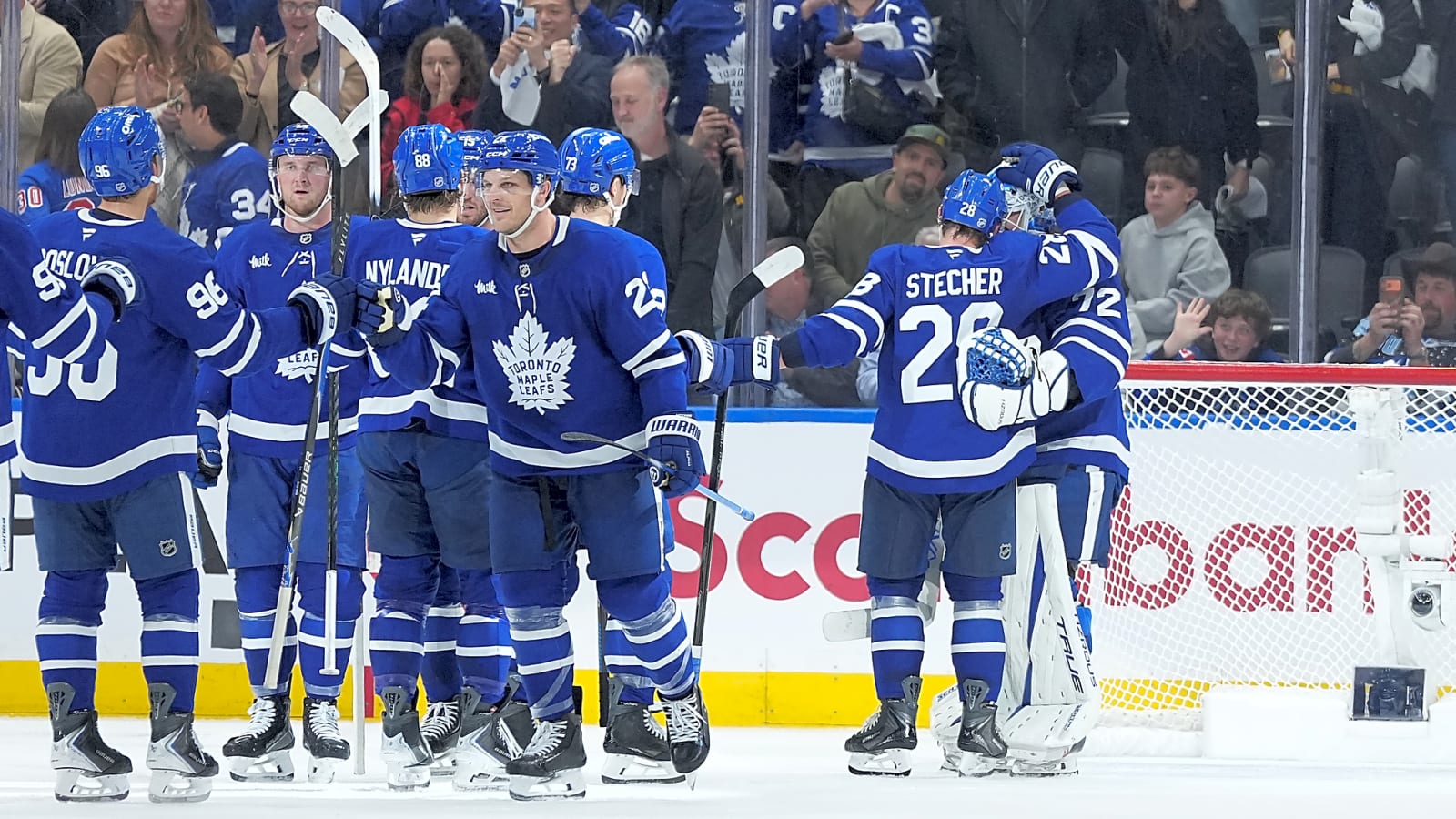
The Toronto Maple Leafs lost 3-2 to the Utah Mammoth on Tuesday night. Losing a close hockey game isn't exactly unusual, but this team seems to have developed an interesting collection of ways to do it.
I'm not sure which one is the most frustrating. Maybe it's that they can do quite a few things right and still walk away with nothing to show for it. Here are nine strange ways the Maple Leafs are losing games.
1. They Can Win the Numbers Game and Lose the Hockey Game.
Toronto out-attempted Utah 23-7 in the first period. That's quite an advantage, isn't it? Unfortunately, the Mammoth scored the important goal with just 12.4 seconds left. More attempts don't mean much if the other team uses its opportunities better.
2. They Get Good Goaltending and Still Can't Win.
Sergei Bobrovsky made 33 saves. He gave his teammates every opportunity to win, but they couldn't quite return the favour. There's something particularly frustrating about watching a goalie do his job and still leave the rink with a loss.
Related: Maple Leafs Had the Numbers Against Utah, but Not the Answers
3. They Sometimes Wait Until the Third Period to Wake Up.
Toronto looked considerably better in the third period and tied the game at 2-2. But why does it take falling behind before the urgency shows up? A good third period is encouraging, but it doesn't erase the first two.
4. One Penalty Can Undo All That Good Work.
The Maple Leafs had momentum at one point in the third period, but a costly penalty gave Utah another power-play opportunity. The Mammoth took advantage. Sometimes one bad decision can undo an awful lot of decent hockey.
5. Their Special Teams Keep Getting in the Way.
The penalty kill has surrendered six goals in five games. That's becoming a pattern. Toronto can do plenty of things well at five-on-five, but it's awfully difficult to win consistently when the penalty kill keeps giving opponents an advantage.
6. Their Best Players Can Have Good Nights, and the Team Still Loses.
Jack Roslovic scored twice and extended his point streak to seven games. Bobrovsky made 33 saves. Those are two pretty good individual performances. Somehow, they still weren't enough.
7. Even the Goalie-Interference Decisions Become a Story.
Hiller decided not to challenge Utah's second goal, despite believing Bobrovsky had been wiped out. The rule is complicated, but it's another situation where Toronto was left discussing what might have happened rather than celebrating what did.
8. Some Maple Leafs Lines Seem to Disappear.
The McKenna-Sissons-Lettieri line was out-attempted 9-0 in just 3:20 together at five-on-five. That's a small sample, certainly, but it's not exactly encouraging. A team needs contributions throughout its lineup, not just from its top players.
9. The Maple Leafs Seem to Need Trouble Before They Find Their Game.
This might be the biggest concern. Toronto showed in the third period that it could push Utah back and spend time in the offensive zone. So why wasn't that urgency there earlier? The Leafs shouldn't need to fall behind before deciding it's time to play.
The Bottom Line: The Maple Leafs Need to Put It All Together.
Here's the thing. I'm not suggesting every one of these problems explains every loss, or that the Maple Leafs are incapable of playing good hockey. But when you start putting these pieces together, you can see why winning has become such a difficult business.
The Maple Leafs don't necessarily have to reinvent themselves. They do have to figure out how to make their good stretches last longer and stop giving away the important moments.
And wouldn't that be a nice change for Toronto fans?
Related: Roslovic Is Giving the Maple Leafs Something They Didn't Expect
More must-reads:
- Jets make NHL history with unfathomable comeback win over Canadiens
- Blackhawks' Patrick Kane tallies milestone 900th career assist
- The 'Last 100-yard teammates by team' quiz
Breaking News
Trending News







Customize Your Newsletter
 +




Get the latest news and rumors, customized to your favorite sports and teams. Emailed daily. Always free!
PRIVACY POLICY COOKIE POLICY CONTACT US
ABOUT YARDBARKER TERMS OF SERVICE


By using this site, you agree to our Terms of Service and Privacy Policy.
This site is for entertainment purposes only.
There is no gambling offered on this site.
Gambling Problem? Call 1-800-Gambler.