
-

-


Follow Us
-

 On Facebook
 On Flipboard

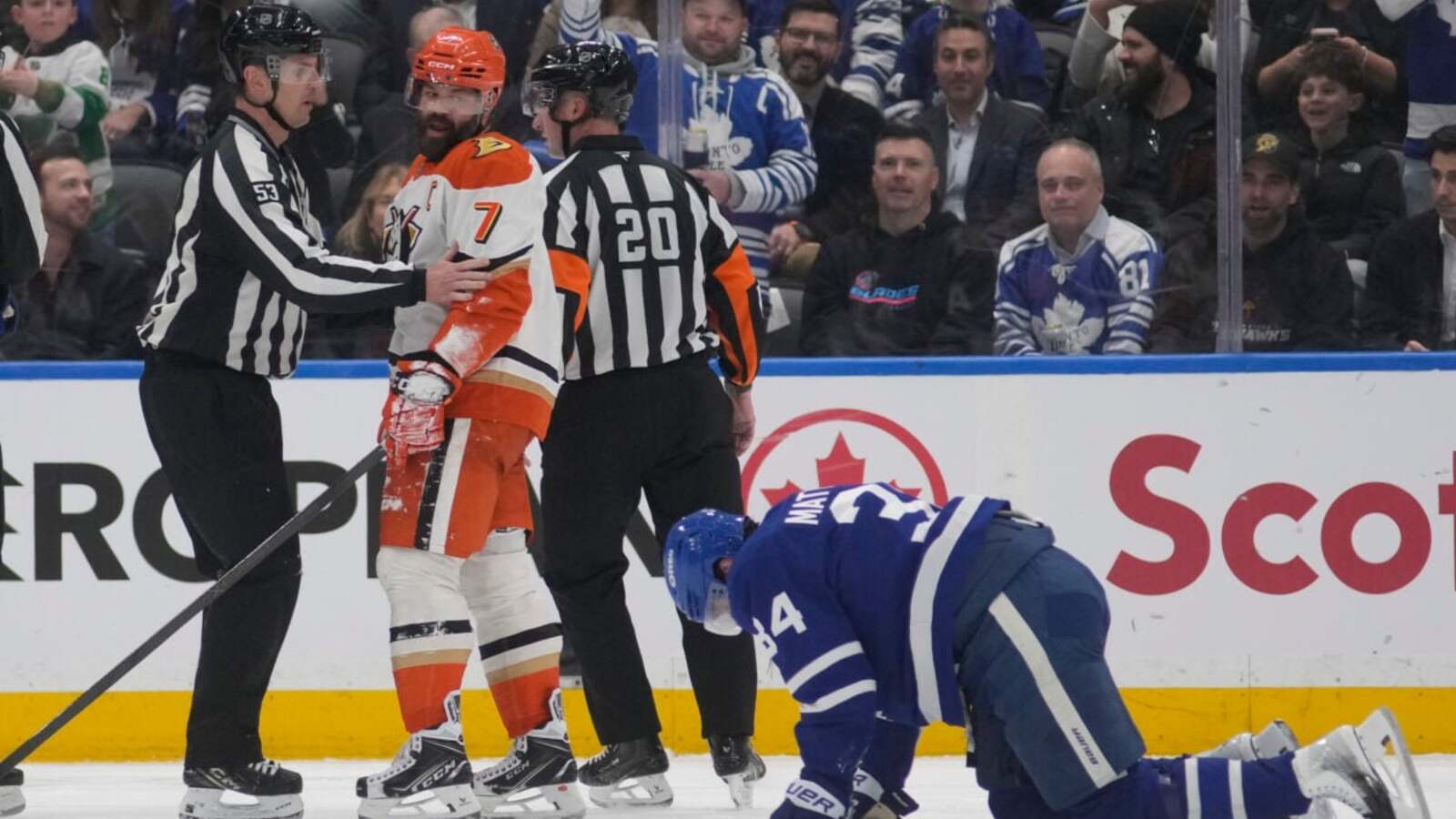
There are fights, and then there are performances staged by context and expectation. The Radko Gudas –Max Domi encounter on March 30, when the Toronto Maple Leafs met the Anaheim Ducks in California, felt less like a raw settling of scores than a carefully choreographed act with high emotional stakes.
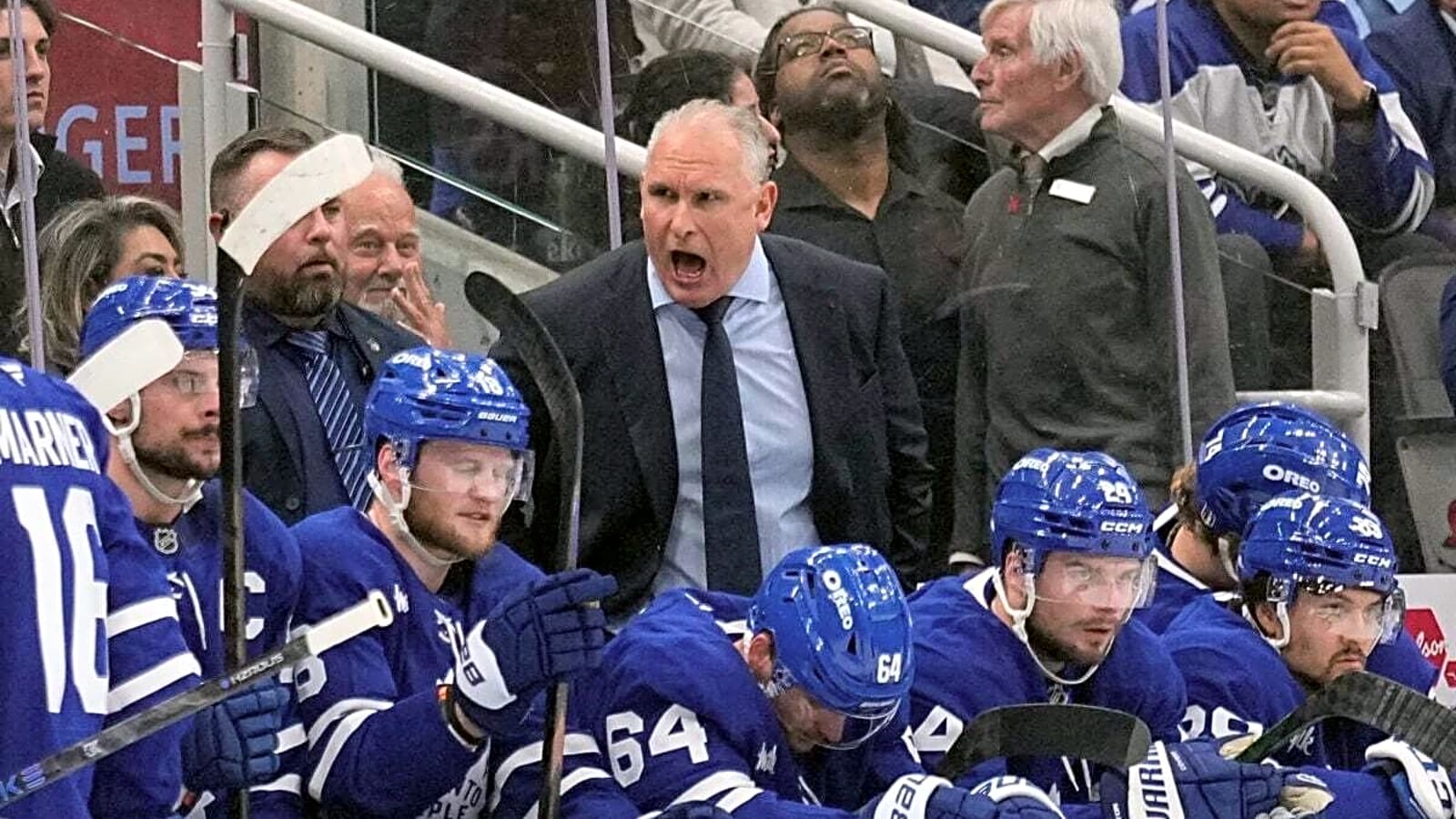
The backstory set the scene: the earlier on-ice, knee-on-knee run-in between Gudas and Auston Matthews , which sidelined Matthews for the remainder of the regular season, created obvious bad blood that carried into this meeting. In effect, the Maple Leafs’ off-ice leadership, including head coach Craig Berube and then general manager Brad Treliving, made the fight a virtual certainty.
Gudas, nursing a knee injury that might otherwise have kept him out of the lineup, nevertheless returned knowing a confrontation was likely. From puck drop, it read as if the script were already written.
Fascinating Thing About the Gudas-Domi Fight: There Wasn’t One
What made the moment so fascinating wasn’t the fight itself but Gudas’s choice to virtually not fight. When the fisticuffs began, Domi unloaded—overhands and pressure—while Gudas mostly protected himself, absorbed the blows, and then allowed himself to be put on his stomach with Domi straddling him.
That collapse, that decision not to throw back, flipped the conventional narrative. It’s easy to interpret as cowardice, but a few other readings deserve consideration.
Gudas’s Injury Risk and the Pragmatist’s Calculus
First, Gudas was injured. A compromised knee changes the risk/reward calculus. A real firefight could do lasting damage to a player whose primary role is defensive physicality. By minimizing contact, he mitigated further injury while still showing up for his teammates and the ritual of retribution. In that sense, it was a duty without maximum risk.
Coaches and medical staff today have greater influence over whether a player should engage; invisible conversations on the bench can determine the extent to which someone “takes one for the team.”
Ritual, Theatre, and Hockey’s Unwritten Code
Second, here’s my own reading: the event was a calculated piece of theatre. Hockey fights are social acts governed by unwritten codes. Sometimes the point is signalling “I showed up; I took one now so my team’s honour is addressed”—not necessarily to win every exchange.
Falling and absorbing punches can be a statement in itself: I will take one so the ledger is balanced. But symbolic sacrifice has consequences. Domi’s visible fury afterward suggests that paying lip service to the code without reciprocation fails a deeper test of respect. Fans and opponents don’t always accept the ceremonial bailout; they want full accountability.
Optics, Roster Value, and Modern Hockey Priorities
Third, Gudas played limited minutes and is a piece coaches rely on for matchups and penalty-killing shifts. He may have weighed his availability for the rest of the game or season over a single contest’s moral victory.

That calculus is pragmatism—health and roster value sometimes outrank old-school pugilism. Teams now calculate the expected impact on winning of losing an enforcer for weeks versus the catharsis of a one-night code settlement.
The Psychology of Humiliation and Domi’s Anger
There’s a psychological layer, too. Being on the receiving end of heavy punches, then collapsing into a submissive posture, can provoke a strong emotional reaction in the victor. Domi’s anger after the bout wasn’t just about scoring points.
I read a lot of notes after the fight that Domi absolutely beat up Gudas. But that seems a surface-level reality. Instead, what we saw was a warrior choosing not to respond in the moment. For Domi, it was a perceived theft of validation.
Fighters expect the opponent to stand and trade; when that doesn’t happen, the victory feels pyrrhic. For Domi, a pyrrhic victory means that he achieved a win that came at such a high cost that it was almost the same as losing. That emotional gap invites future escalation: Domi will feel he didn’t get closure, which increases the odds of a more violent, decisive meeting down the road.
What This Domi-Gudas Event Says About Hockey’s Evolution
Ultimately, the sequence says as much about how hockey has changed as it does about the men involved. Ritual still matters, but so do insurance implications, long-term durability, and team strategy. Gudas’ choice—whether cowardly, pragmatic, or theatrical—exposed a friction point between tradition and modern prudence. It left Domi and the audience thirsting for a more definitive resolution.
The moment functions as a microcosm of the sport. It shows hockey’s compressed emotion, layered meanings, and slow drift from gladiatorial clarity toward managed spectacle—at times echoing WWE (World Wrestling Entertainment), where outcomes are scripted, but the emotion and physicality remain real.
More must-reads:
- Maple Leafs 'keenly interested' in veteran forward Claude Giroux
- Update reveals Mets' trade-deadline plans for Soto, Lindor, Bichette
- The 'First-overall NHL Draft picks' quiz
Breaking News
Trending News






Customize Your Newsletter
 +
+




Get the latest news and rumors, customized to your favorite sports and teams. Emailed daily. Always free!
PRIVACY POLICY COOKIE POLICY CONTACT US
ABOUT YARDBARKER TERMS OF SERVICE


By using this site, you agree to our Terms of Service and Privacy Policy.
This site is for entertainment purposes only.
There is no gambling offered on this site.
Gambling Problem? Call 1-800-Gambler.
