
-

-


Follow Us
-

 On Facebook
 On Flipboard
 On Twitter

If you spend even ten minutes looking at Toronto Maple Leafs trade chatter right now, you’ll find a dozen different plans for what the team absolutely has to do before the deadline. The funny part? Many of these plans contradict each other.
It’s not that fans aren’t thinking things through. It’s that everyone is working off a different version of what the Maple Leafs are. Are they a contender? A bubble team? A team in trouble that needs a reset? Depending on your answer, your trade logic can shift quickly.
That’s how you end up with people insisting Toronto should sell off half the roster, while others think they should be trading futures to add more. Welcome to Leafsland in one of the team’s most unique seasons in recent memory.
I appreciate, read, and try to understand the comments from readers of The Hockey Writers’ posts. Here’s a look at what Maple Leafs fans are saying about the team.
The “Sell the Rentals” Group
This is the most straightforward group. Their pitch is simple: Toronto should move any pending unrestricted free agent (UFA) who isn’t essential to a playoff run. That group has included players like Matias Maccelli, Calle Järnkrok, Scott Laughton, and Troy Stecher, while fans suggest that other depth players could slide into the team’s lineup without much fuss.
The logic here is that these players won’t fetch premium picks but might bring back mid-round selections. It’s the classic “get something before they walk” approach. It’s easy to understand and easy to justify. If you believe the Maple Leafs are more of a fringe playoff team than a true threat, this makes perfect sense. But not everyone sees the Maple Leafs that way.
The “Sell High While You Can” Argument
Then you get into the next tier of suggestions. These players’ value may never be higher than it is right now. These players include pending UFA Bobby McMann and Oliver Ekman-Larsson (OEL).
McMann is the obvious one: he’s big, fast, scoring, and cheap. He’s also due for a raise if the team signs him to an extension. Some fans think the Maple Leafs should flip him before he hits that next contract. OEL fits the same idea but from a different angle. He’s been useful, steady, and far better than many fans expected. For a contender desperate to shore up its blue line, that has value.

This line of thinking is all about timing. There’s no emotion or loyalty. The question is simple: “Will this player ever be worth more than he is today?” If the answer is no, some fans say, “Move him.”
It’s not illogical from a certain perspective. But it only works if you think the Maple Leafs can afford to lose them right now — which not everyone believes.
The Cap-Cleaning Summer Approach
These are the “slow burn” ideas that include trading players like Max Domi, Dakota Joshua, Morgan Rielly, or Anthony Stolarz. These moves aren’t just about the deadline. They are more philosophical and include fans who think the Maple Leafs need a reset but not a fire sale.

Some proposals are wildly unrealistic — for example, the belief that Rielly would waive his no-movement clause to join a U.S. team in the current political climate, especially when his wife, Tessa Virtue, is a Canadian Olympic icon and their roots are firmly here.
The reasoning: these players have term, salary, or no-trade clauses that make mid-season moves a headache. Trading them during the summer is easier. More teams have room. More teams are reshaping things. The logic is fine. But it simply has nothing in common with the previous two groups.
Which brings us to where things get really chaotic.
Blow Up the Maple Leafs Core? The Nuclear Option
There are fans who say it’s time to trade Auston Matthews or William Nylander. This isn’t subtle. This is the “scorched earth” option.
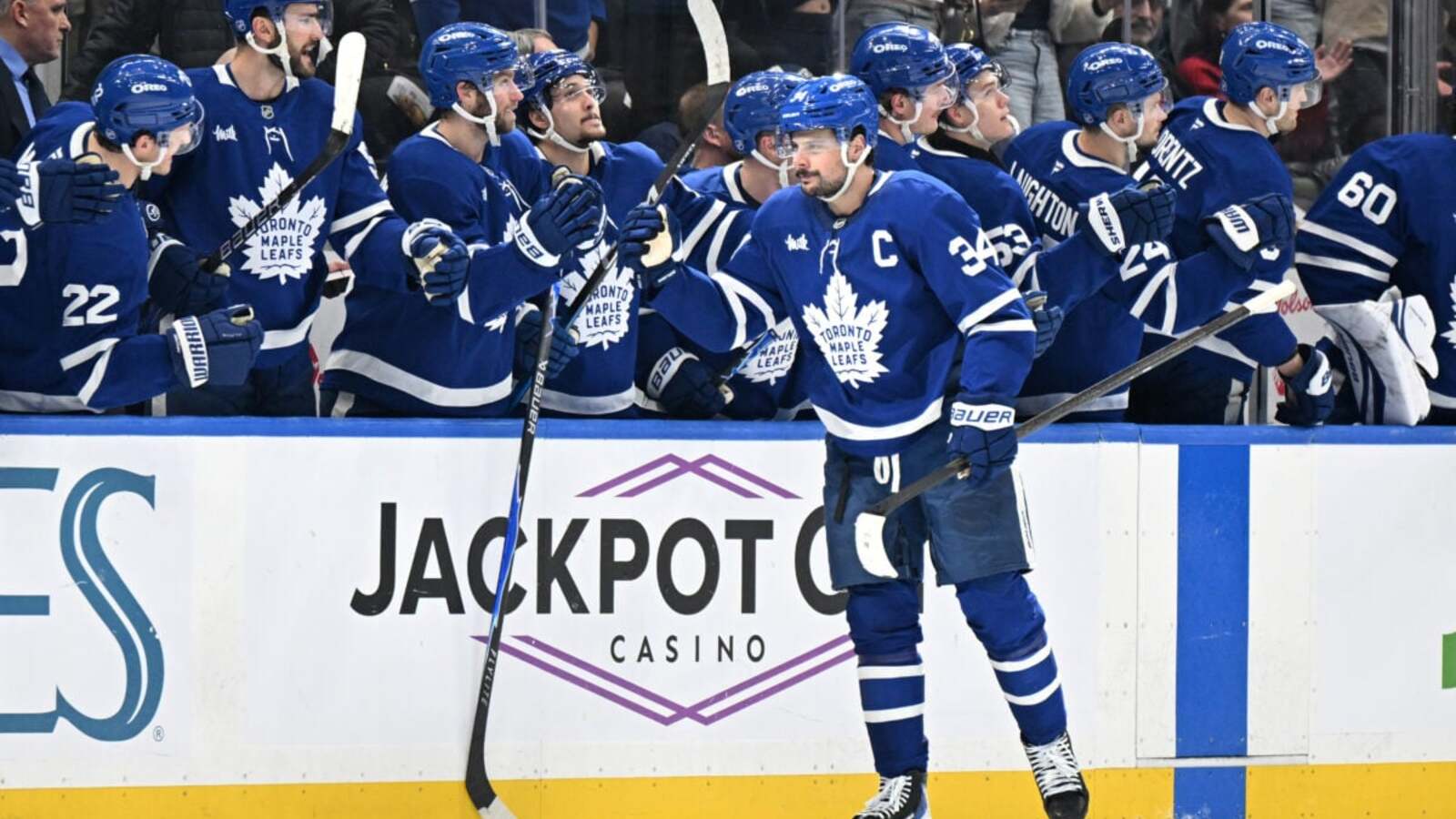
The logic? This group thinks the Maple Leafs have proven they can’t win with this core and never will. So they want futures, character, leadership, and a new culture. They want the whole Maple Leafs project rebuilt from the ground up. The thinking is big and often emotional, but the reasoning is at least clear. The team has plateaued and will never win. Tear it down.
The thing is, this group’s beliefs can’t coincide with any of the previous ideas. You can’t rebuild while also worrying about selling high on a depth winger. You can’t claim you’re blowing up the core because the team isn’t close, while also arguing that trading mid-level UFAs is the big solution. The philosophies clash.
Why These Trade Ideas Don’t Fit Together
This is the heart of the chaos. None of these arguments is inherently wrong-minded on its own. But they don’t operate from the same reality. Each assumes the Maple Leafs are in a different phase; they’re contending, retooling, rebuilding, or blowing it up entirely.
Trying not to play with words, the logic isn’t illogical. It’s just coming from totally different starting points.
The Real Issue: No One Has Decided What These Maple Leafs Are
Until someone in management picks THE direction — contender, step-back, or reset, every trade conversation will feel scattered. Individually, fans aren’t confused. They’re reacting to a team whose identity is still up in the air. And until that identity part becomes clear, this is what Maple Leafs debates will look like: loud, passionate, and often like everyone is speaking a different hockey language.
The metaphorical Tower of Babel story ends with scattered languages, but it also creates diversity — and that wasn’t entirely a bad thing. The Maple Leafs’ trade debate feels similar. There isn’t one clear plan, but a dozen different paths. It may look chaotic, but it’s also revealing. Eventually, someone in the Maple Leafs’ leadership will have to choose one. Welcome to Leafsland.
More must-reads:
- Executive order could have big impact on current college sports landscape
- Travon Walker's contract extension could be long-term steal for Jaguars
- The 'NBA two's leaders by season' quiz
Breaking News
Trending News








Customize Your Newsletter
 +
+




Get the latest news and rumors, customized to your favorite sports and teams. Emailed daily. Always free!
PRIVACY POLICY COOKIE POLICY CONTACT US
ABOUT YARDBARKER TERMS OF SERVICE


By using this site, you agree to our Terms of Service and Privacy Policy.
This site is for entertainment purposes only.
There is no gambling offered on this site.
Gambling Problem? Call 1-800-Gambler.
