
-

-


Follow Us
-

 On Facebook
 On Flipboard
 On Twitter

At some point, even optimists have to level with themselves. My often-writing partner, Stan Smith, and I have both spent years trying to see the upside of the Toronto Maple Leafs, and even now neither of us wants to say they are likely to miss the playoffs. But as the season goes on, it’s growing harder to ignore what’s unfolding in front of us.
There was a 10-game run that was intoxicating. The Maple Leafs climbed back into the wild card picture and, for a brief moment, it felt like maybe they had finally found something sustainable. I remember thinking they might actually have turned a corner. But I also remember wondering whether it was real progress or just a hot streak that would evaporate the moment things tightened up again. Right now, it’s starting to look like the latter.
The Olympics Have Reshaped the Season
The 2026 Winter Olympic factor has turned this season into a near-survival contest. The schedule is jammed, recovery time for injuries is limited, and the teams that stay healthiest are the ones most likely to come out standing on the other side. That’s not a moral judgment. It’s reality.
And this is where the Maple Leafs’ situation gets uncomfortable. For Toronto to make the playoffs, it’s not enough for William Nylander to be healthy. Auston Matthews has to be healthy, too. By that, we mean not just “available,” but dominant. Both would need to play at something close to a 100-plus-point, 82-game pace the rest of the way.
That’s a massive ask under normal circumstances. It feels borderline unrealistic when you factor in Olympic workloads, travel, and the wear and tear already accumulated.
Matthews, Nylander, and Other Maple Leafs Players Will Be Grinding Through International Games
While most of the roster gets a chance to reset, Matthews and Nylander will be grinding through high-intensity international games. That doesn’t guarantee injury—but it certainly doesn’t reduce the risk.
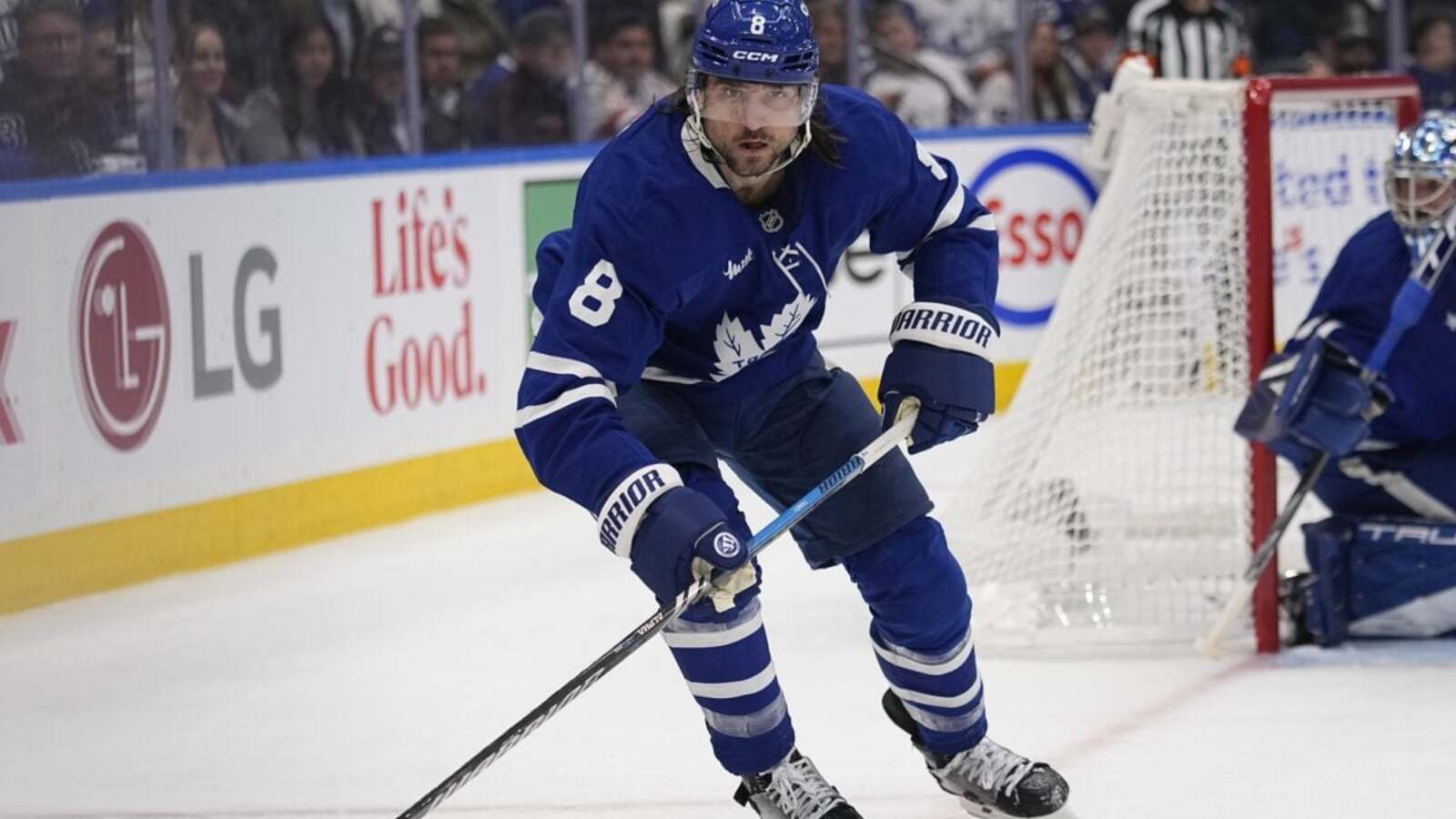
On paper, though, you can still see the appeal of the Maple Leafs roster if Matthews and Nylander come back healthy. If Chris Tanev returns and stabilizes the blue line. If Joseph Woll and Anthony Stolarz both stay upright. If Oliver Ekman-Larsson’s absence doesn’t ripple further than expected. That’s a lot of “ifs,” but stacked together, it does describe a team that could be dangerous.
The Troy Stecher addition has helped. The top six on defence looks more credible than it did earlier in the year. And the goaltending, when healthy, has been more than adequate.
Why Is a Maple Leafs’ Comeback Story So Difficult?
So why do we still feel uneasy about the comeback story? Because head coach Craig Berube wants his team to play a demanding style. Physically demanding. Relentless forechecking, pressure hockey, constant engagement. That style can be effective—but it takes a toll, especially when games are packed together like this. More games, less recovery, harder minutes. Injuries don’t just happen; they accumulate.

And then there’s the standings, and the math is brutal. Toronto’s miserable homestand pushed them six points behind the final wild-card spot. Worse, they’re now only two points from sliding back into the second-last position they occupied before that surge began. During the hot stretch, they went 9-1-3—21 points out of a possible 26—to claw their way up just six points. Four bad games later? Those six points are gone.
The Reality of the NHL’s Three-Point Games
That’s the reality of three-point NHL games. Climbing is hard. Falling is easy. You can play great for weeks and barely move. You can stumble for a handful of nights and undo everything.
None of this means the season is over. But it does mean the margin for error is almost nonexistent. And when health, schedule, and math are all working against you, hope alone isn’t enough. Sometimes the standings don’t lie. They just tell an uncomfortable truth before we’re ready to hear it.
[Note: I want to thank long-time Maple Leafs fan Stan Smith for collaborating with me on this post. Stan’s Facebook profile can be found here.]
More must-reads:
- In or out: Assessing which NHL teams will secure the final playoff spots
- Macklin Celebrini's historic achievements are following in Sidney Crosby's footsteps
- The 'NBA two's leaders by season' quiz
Breaking News
Trending News






Customize Your Newsletter
 +
+




Get the latest news and rumors, customized to your favorite sports and teams. Emailed daily. Always free!
PRIVACY POLICY COOKIE POLICY CONTACT US
ABOUT YARDBARKER TERMS OF SERVICE


By using this site, you agree to our Terms of Service and Privacy Policy.
This site is for entertainment purposes only.
There is no gambling offered on this site.
Gambling Problem? Call 1-800-Gambler.
