
-

-


Follow Us
-

 On Facebook
 On Flipboard


Vancouver is one of the best places in the world to play hockey. It’s a great city, has great food, an incredible climate, and great outdoors. You can sell a player on the lifestyle without breaking a sweat. Players notice. Some guys stick around because they genuinely like it there. That should be an advantage. Instead, it often feels like a huge opportunity the Vancouver Canucks keep tripping over.
Here’s the blunt version: Vancouver has the location and the market. What it consistently lacks is the professional backbone to turn that advantage into long-term success.
Why the “Great City” Edge Isn’t Enough
A desirable city helps teams recruit and retain players. But it isn’t a substitute for organizational competence. The NHL today isn’t just talent plus arena — it’s talent plus systems. Teams that win repeatedly aren’t lucky. They’ve built structures that survive turnover and churn.
They have consistent development philosophies, strong analytics departments, modern medical and recovery setups, and front offices that plan three-to-five years ahead instead of reacting to every swing in form. Vancouver should be a destination franchise. Instead, it often behaves as if it’s stuck in short-term thinking. That gap between potential and reality is where things keep slipping.
What Do Hockey Systems Actually Mean?
When I say “systems,” I don’t just mean hiring a couple of analytics people and calling it progress. I mean a full hockey operation that actually connects every layer of the organization — from scouting to development to the NHL roster — so everything works toward the same goal.
It starts with identity. Does the organization actually know what kind of team it wants to be? And more importantly, does that identity stay consistent from year to year, or does it shift depending on short-term results? Because without that foundation, everything else becomes reactive. Drafting, trades, free-agent signings — they all start to feel disconnected rather than part of a plan.
From there, it becomes about execution. A real system includes a development pipeline that actually develops players. That means alignment between the NHL coaching staff and the American Hockey League (AHL), clear individual player plans, and accountability that extends throughout the organization. It also means analytics and scouting working together in a meaningful way — not competing ideas, but tools that sharpen each other. The best organizations don’t choose between data and eyes; they combine both into one decision-making process.
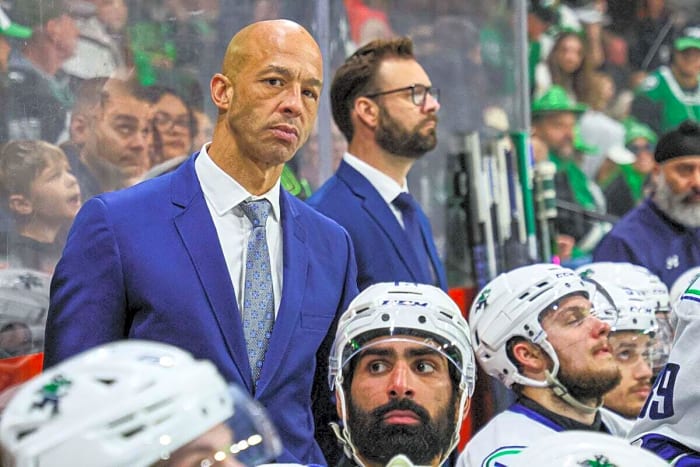
Then there’s the infrastructure layer. Sports science, training, and medical systems matter just as much as talent acquisition in today’s NHL. Keeping players healthy, helping them recover properly, and supporting their physical development over time is a competitive advantage in itself. The teams that understand this consistently get more out of their roster over an 82-game season — and especially into the playoffs.
Finally, there’s the salary cap side of it. A sustainable organization doesn’t just react to short-term results with short-term moves. It builds contracts and roster decisions around a longer window. That requires patience, planning, and a willingness to resist quick fixes when the bigger picture calls for stability.
Put simply, systems are what separate teams that occasionally look good from teams that stay good.
Where Canucks’ Leadership Needs to Remake the Organization
Frankly speaking, there’s no evidence that the Canucks have their act together at all. Right now, too many Canucks decisions feel reactive. A hot streak leads to extensions. A slump leads to trades. There isn’t always a visible long-term blueprint driving the decisions, and that’s where inconsistency takes over.
Right now, the Canucks are hiring a new general manager (GM) after Patrik Allvin was fired. They should also hire a new president of operations as well. The Canucks President of Hockey Operations, Jim Rutherford, is a veteran executive with an old-school approach, and some of the recent decisions reflect that philosophy. Frankly speaking, the Canucks have shown little consistent evidence of a fully-aligned organizational structure since he arrived.
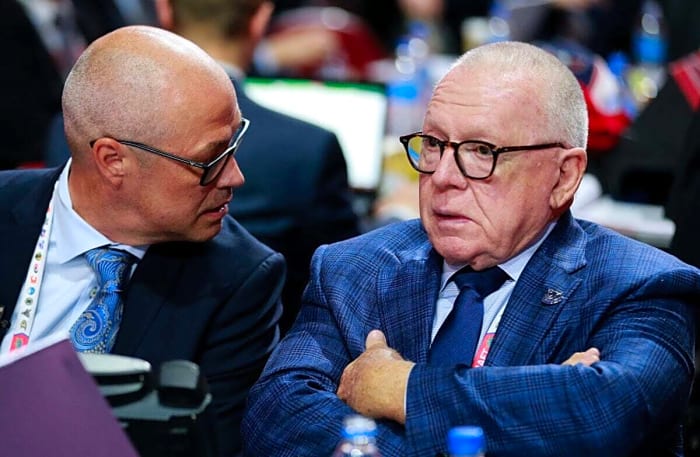
The team is in a situation where the new GM can’t be the one to fix everything. The situation is far bigger than that. The Canucks need an organizational reset, not just a new voice or two at the top. They need someone who’s thinking strategically and who builds a leadership group committed to a multi-year direction, with real benchmarks and the patience to ride out the inevitable ups and downs.
It also means being willing to bring in outside perspectives when needed — not for trendiness, but to learn from organizations that actually sustain success. Other sports leagues have done this for years. The Canucks should be doing the same: studying best practices, hiring smarter support staff, and building a front office that treats development, analytics, and medical as core pillars — not side departments.
Investment in Building Systems Should Be Non-Negotiable
The Canucks are also heading into a real moment of change. With leadership shifts likely at the GM level — and, hopefully, at the President of Hockey Operations level as well — this is more than just a routine reset. It’s a chance to rethink how the entire organization actually operates. Not just who is making decisions, but how those decisions are made in the first place.
This is where “systems” stop being a buzzword and become the real work. Modern NHL success isn’t just about drafting well or making the right trade at the right time. It’s about building a structure that supports winning year after year. That means proper development staff, strong analytics, modern training and medical infrastructure, and a front office that actually plans long-term rather than reacting to short-term swings. It costs money, but it’s no longer optional if you want to compete with the league’s best.
The Canucks Have a Chance to Build Something Great: Will They?
And that’s the opportunity in front of Vancouver right now. The city already sells itself — players notice it, families settle into it, and in many cases, they stay because they genuinely like it. But the organization still has to match that advantage with an internal structure.
Until the Canucks fully align their systems, staffing, and long-term planning with the opportunity they already have, they’ll keep looking like a team that should be a destination — but isn’t quite built like one yet.
More must-reads:
- NASCAR making major leadership change, breaking 78-year tradition
- San Jose Earthquakes by the numbers: The stats behind MLS' shocking league leader
- The 'Stanley Cup Playoff hat-tricks' quiz
Breaking News
Trending News



Customize Your Newsletter
 +
+




Get the latest news and rumors, customized to your favorite sports and teams. Emailed daily. Always free!
PRIVACY POLICY COOKIE POLICY CONTACT US
ABOUT YARDBARKER TERMS OF SERVICE


By using this site, you agree to our Terms of Service and Privacy Policy.
This site is for entertainment purposes only.
There is no gambling offered on this site.
Gambling Problem? Call 1-800-Gambler.
