
-

-


Follow Us
-

 On Facebook
 On Flipboard
NASCAR 'deserted' its core fan base, but is trying to win it back
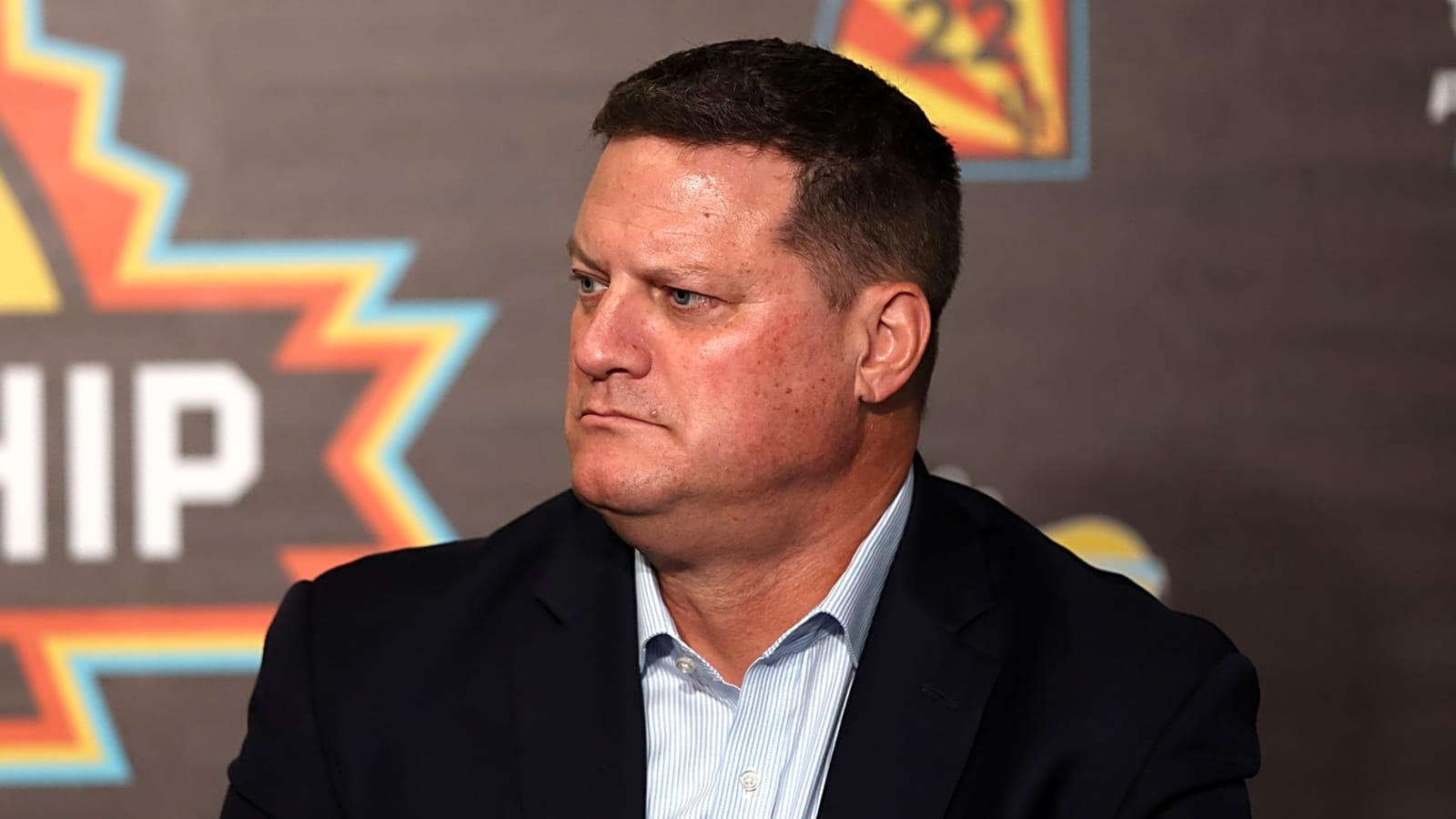
NASCAR president Steve O'Donnell made a blunt and honest admission Monday in an interview with Sports Business Journal regarding the sport's decline in popularity over the last two decades.
"We deserted our fan base," O'Donnell said, per SBJ.
NASCAR's core audience, which is primarily based in the Southeast but stretches around the United States, was all-in as stock car racing entered its boom period in the 1990s and 2000s. But then came a recession in the late 2000s. Then, a host of changes to NASCAR's championship format, the cars being driven and the drivers making up the field.
When NASCAR looked up at the end of the 2010s and in the early 2020s, it found itself facing a new low in popularity far removed from the mid-2000s when it had grown into an American phenomenon.
Steve O'Donnell: "We probably chased a few too many things trying to be like other sports. We assumed that our hardcore fans would stay with us and newer fans would jump in. ... Instead of new fans coming in, they did not understand it." https://t.co/XEcGZ0BxPA
— Adam Stern (@A_S12) February 24, 2026
What went wrong for NASCAR
At the heart of the sport's decline was an effort to appeal to the casual viewer who might understand the intricacies of other sports, but not NASCAR. After implementing the original 10-race "Chase" format in 2004 as a form of a postseason, NASCAR doubled down in 2014 with an elimination-style, winner-take-all format with 16 drivers battling for a playoff spot. It was a version of a playoff bracket that, in theory, would be more understandable for the casual viewer.
But diehard fans didn't like it, and TV viewership and at-track attendance continued to slowly drop. At the same time, some of the biggest superstars in the sport's history retired, including Dale Earnhardt Jr., Jeff Gordon, Tony Stewart, Matt Kenseth and Carl Edwards.
Ahead of the 2026 season, NASCAR introduced a new version of the Chase without eliminations and only a single points reset. Each race now stands on its own without the ability to guarantee a playoff berth, with a win being the overarching story of the day.
“We probably chased a few too many things trying to be like other sports,” O’Donnell said. “We assumed that our hardcore fans would stay with us and newer fans would jump in... Instead of new fans coming in, they did not understand it.”
O'Donnell and the rest of the industry now seem to understand a basic pillar of auto racing: It is not a stick-and-ball sport, nor should it be treated like one. Racing is at its best when it tries only to be racing and nothing more.
That principle is what made fans fall in love with NASCAR. It's not football, basketball or baseball. It's its own unique product.
A new era
NASCAR's new wave of leadership includes O'Donnell and Ben Kennedy, the great-grandson of NASCAR founder Bill France Sr. They aren't afraid to try new things or turn back the clock.
That's reflected in NASCAR's recent scheduling decisions, which include the revivals of the previously left-for-dead North Wilkesboro Speedway, Chicagoland Speedway and Rockingham Speedway, as well as the additions of new venues such as Naval Base Coronado.
O'Donnell said that NASCAR was too focused on tracking down a new audience for the sport, all while assuming its core fan base would always be there. That was not the case, however, and it has forced NASCAR to try to win back its core audience.
The sport is doing that by returning to those aforementioned tracks, returning to a simpler championship format and, as O'Donnell said, "embracing its identity."
Only time will tell if those changes bear any meaningful fruit to NASCAR, but it's hard to imagine a reality where the sport returning to its roots does anything but make it grow.

More must-reads:
- Tyler Reddick's sizable early points lead proves winning is more important than ever in NASCAR
- These NASCAR drivers should be worried two races into 2026 season
- The 'Drivers in the NASCAR Hall of Fame' quiz
Breaking News
Trending News


Customize Your Newsletter
 +
+




Get the latest news and rumors, customized to your favorite sports and teams. Emailed daily. Always free!
PRIVACY POLICY COOKIE POLICY CONTACT US
ABOUT YARDBARKER TERMS OF SERVICE


By using this site, you agree to our Terms of Service and Privacy Policy.
This site is for entertainment purposes only.
There is no gambling offered on this site.
Gambling Problem? Call 1-800-Gambler.
