
-


Follow Us

 On Facebook
 On Flipboard
 On Twitter
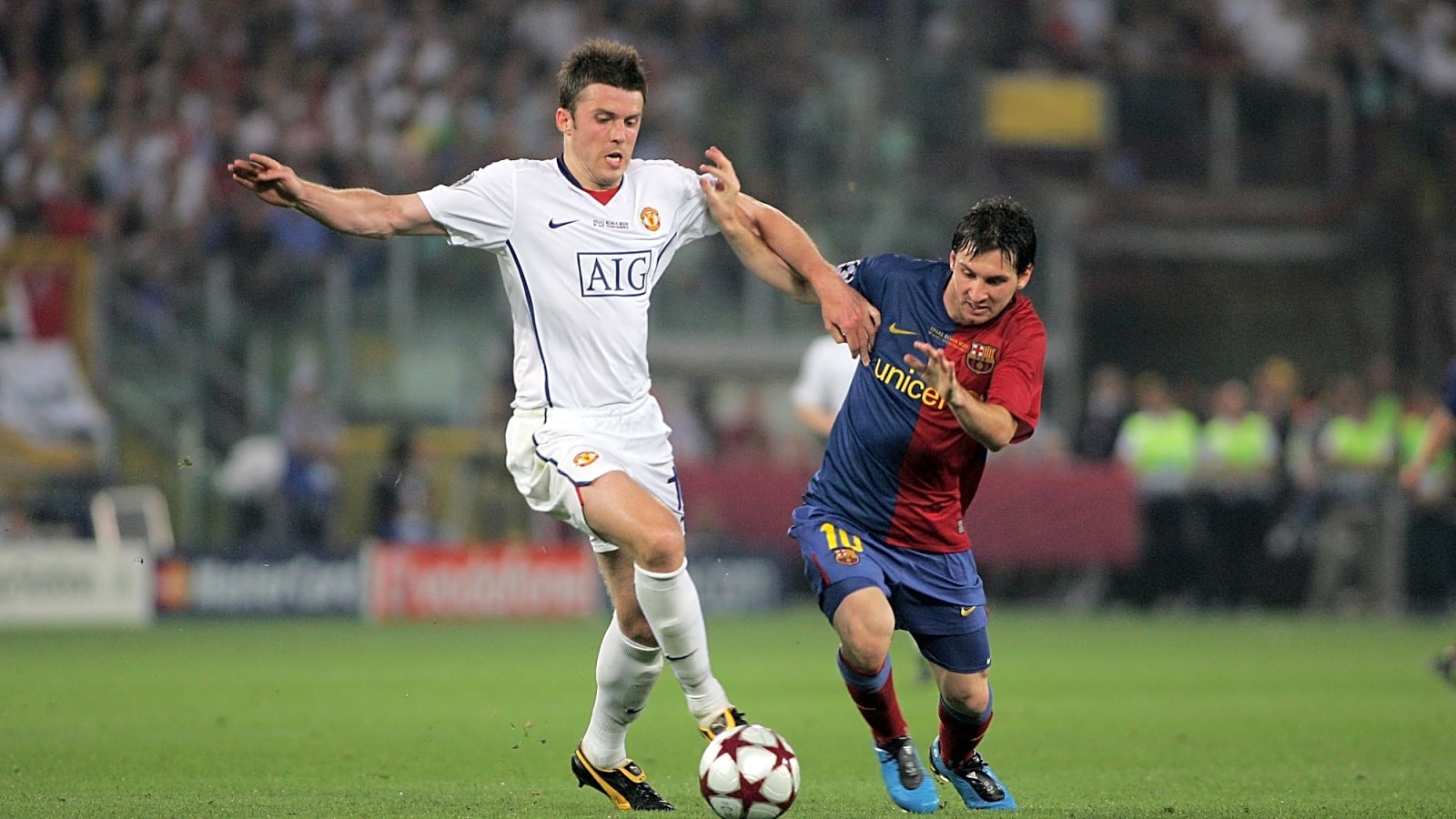
Manchester United didn’t appoint Michael Carrick to start a romance, they appointed him to stop the bleeding.
When INEOS pulled the trigger on Ruben Amorim, the club bought time by handing Carrick the reins until the end of the season – a calm, familiar figure who knows Old Trafford inside-out, understands the standards, and doesn’t need six months to learn what “this job” does to people.
Now comes the awkward part: Carrick is making the “interim” tag look like an insult.
Four wins from four in the league – including statements against Pep Guardiola’s City and Mikel Arteta’s Arsenal before dismantling Fulham and Tottenham Hotspur – has changed the mood, changed the table, and changed the debate.
And that debate has one central objection: experience.
It’s the argument people reach for when they want to sound sensible.
But it’s also the easiest argument to hide behind when the evidence is starting you in the face.
The case for Michael Carrick
Carrick has already shown he can handle pressure at the very highest level.
During his brief caretaker spell in 2021, he oversaw wins against Unai Emery’s Villarreal and Arteta’s Arsenal before earning a draw away at Thomas Tuchel’s Chelsea.
Those matches demanded tactical clarity, calm leadership and authority – traits that have resurfaced during his current spell.
The argument most commonly used against Carrick is his lack of managerial experience.
Yet football history repeatedly shows that experience is not a prerequisite for success.
Manages such as Pep Guardiola, Zinedine Zidane and Hansi Flick all stepped into elite roles early in their careers and delivered immediate success.
What mattered was not the length of their CVs, but clarity of ideas and the ability to command elite dressing rooms.
Crucially, United’s players appear to be responding.
The team looks structured, disciplined and decisive, with clearer roles and fewer tactical contradictions.
Players are playing in their preferred positions, for instance Diogo Dalot is no longer playing at wing-back and can now play as a right-back with an inverted role which got the best of him under Erik ten Hag.
For a club that has spent years searching for identity, that in itself is a significant achievement.
The case against appointing Carrick
There are legitimate concerns that cannot be ignored.
Carrick’s managerial spell at Middlesbrough ended in dismissal, a reminder that strong ideas do not always translate into long-term consistency.
The permanent Manchester Untied job is also a very different challenge to an interim role, with pressure magnified and scrutiny relentless.
There is also the risk of mistaking short-term momentum for long-term certainty.
New-manager surges are common which we saw under Ole Gunner Solskjaer, and United must be sure Carrick can adapt when results inevitably dip.
Appointing a permanent head coach should be a strategic decision, not an emotional one driven solely by form.
What United should do next
INEOS must now decide whether to trust what they are seeing or search for reassurance elsewhere.
Carrick should not be appointed because of sentiment, but because he continues to meet clear performance and tactical benchmarks between now and the end of the season.
If he does, the Red Devils may find that the stability they have been chasing for years is already in place.
Sometimes the boldest decision is not hiring the biggest name, but backing the right one.
More must-reads:
- Tears, twizzles and Tom Jones: Inside a wild first day of Olympic ice dance
- How might Klint Kubiak fill out his Raiders coaching staff?
- The 'Super Bowl coaches since 2000' quiz
Breaking News
Trending News






Customize Your Newsletter
 +
+




Get the latest news and rumors, customized to your favorite sports and teams. Emailed daily. Always free!
PRIVACY POLICY EDITORIAL POLICY CONTACT US
ABOUT YARDBARKER TERMS OF SERVICE


Use of this website (including any and all parts and
components) constitutes your acceptance of these
Terms of Service and Privacy Policy.
This site is for entertainment purposes only.
There is no gambling offered on this site.
Gambling Problem? Call 1-800-Gambler.
