
-

-


Follow Us
-

 On Facebook
 On Flipboard
 On Twitter
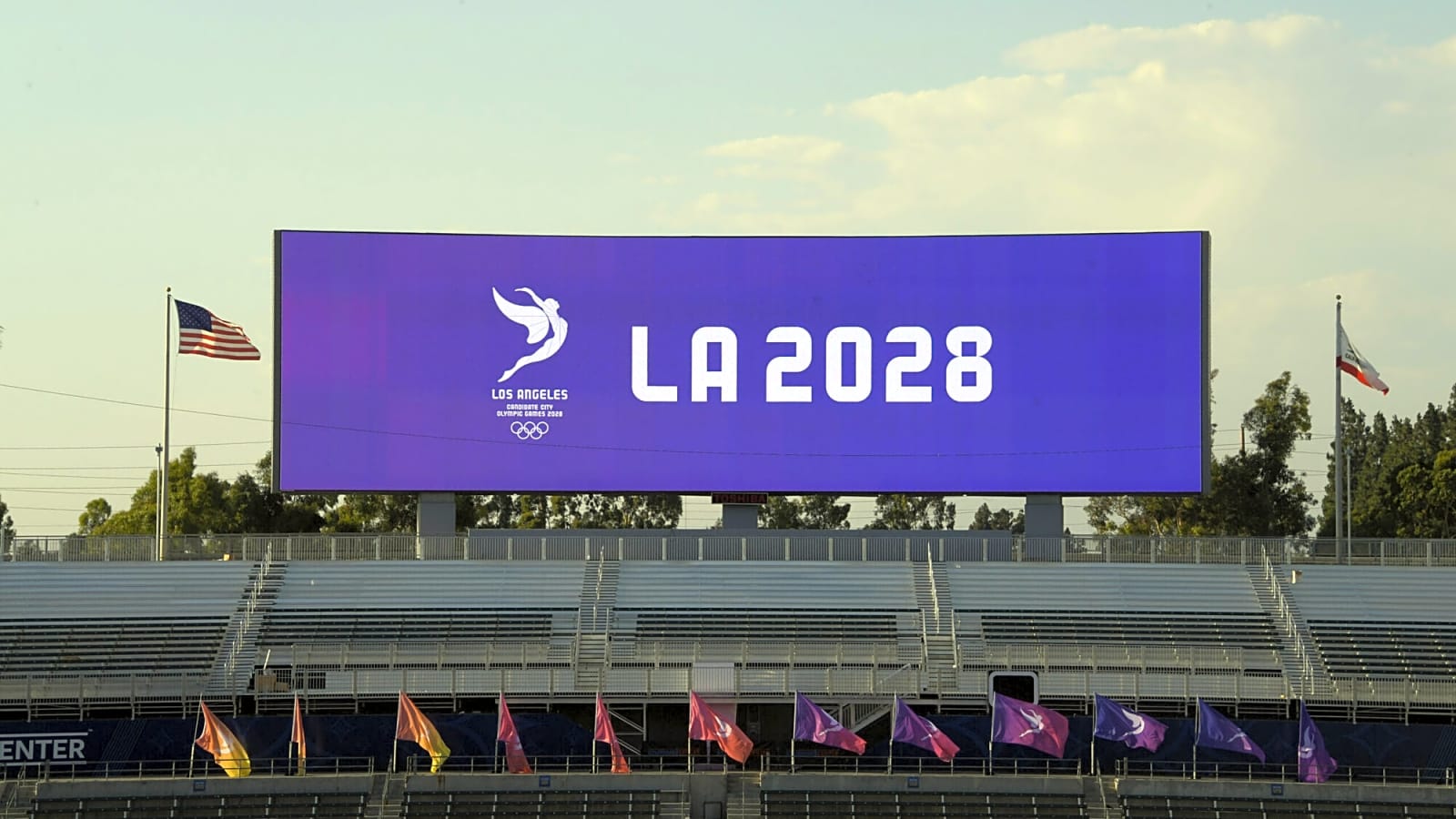
On Thursday, Kirsty Coventry stood in Lausanne and delivered a decision that will reshape Olympic sport. Every athlete entering the women’s category at the 2028 Los Angeles Games must pass a genetic screening for the SRY gene. Testing may involve saliva, cheek swabs, or blood. Any athlete carrying SRY will be excluded, with limited medical exceptions. Coventry, elected in March 2025 as the IOC’s first female president, made biology verification central to eligibility. For many athletes, the announcement immediately raised deeper questions about fairness and identity.
A Policy That Rewrites Recent History
For 4 years, the IOC operated under its 2021 inclusion framework, which stated no athlete should face presumed disadvantage based on gender identity or sex variations. That guidance ended on March 26, 2026. Coventry told reporters, “absolutely clear that it would not be fair for biological males to compete in the female category,” and warned that “in some sports it would simply not be safe.” A single genetic marker now replaces a broader policy built on inclusion. The speed of this reversal signals a dramatic shift in Olympic priorities.
A Rule Built Around Rare Cases

Across more than 20 years of Olympic eligibility since the early 2000s, only 1 openly transgender woman has competed. Laurel Hubbard entered the +87 kilogram weightlifting event at Tokyo 2020, held in 2021 at age 43. She failed all 3 snatch attempts and recorded a did not finish result. No medals were won, and no dominance was shown. At the 2024 Paris Olympics, 0 transgender women competed. Yet a global testing system now applies to every female athlete, raising questions about scale and necessity.
Who The Test Actually Affects

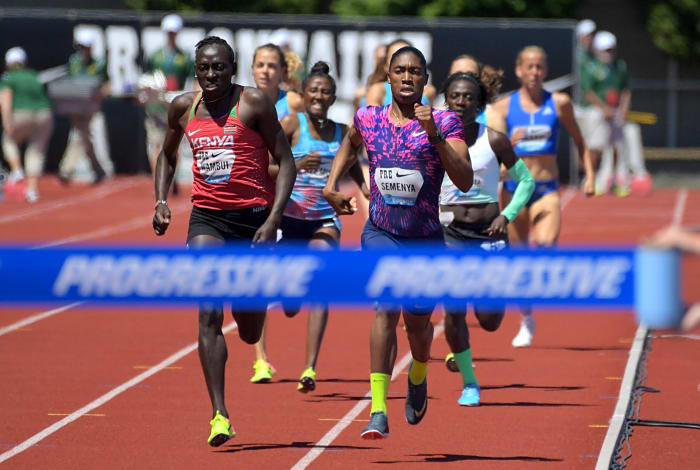
The SRY screening does more than target transgender participation. It can also identify cisgender women with differences in sex development who have always lived and competed as women. Caster Semenya, a 2 time Olympic champion, spent years challenging testosterone regulations. On July 2025, the European Court of Human Rights Grand Chamber ruled 15–2 that Switzerland failed to provide a fair hearing. However, key discrimination claims were not examined. The underlying rules remain active, meaning athletes with similar conditions may again face exclusion under the new Olympic standard.
Scientists Challenge The Core Method
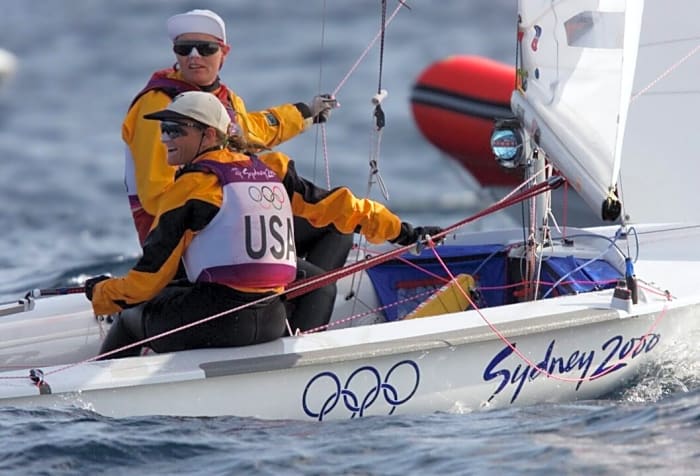
The IOC previously used SRY testing in the 1990s before abandoning it ahead of the 2000 Sydney Olympics due to unreliable results. Now it returns as the central tool. Professor Andrew Sinclair, who helped identify the SRY gene in 1990, criticized the revival. He described it as “misguided” and explained that SRY alone cannot determine hormone function or performance impact. The method cannot reveal whether testosterone is produced or effective. The science behind the policy remains under scrutiny as implementation approaches the next Olympic cycle.
Political Timing Raises New Questions
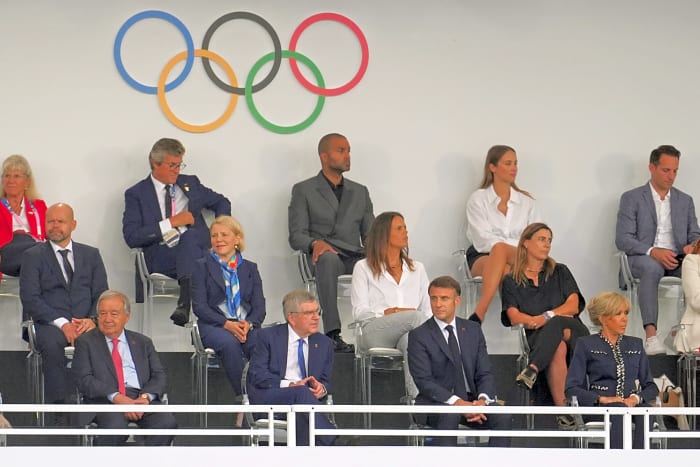
In February 2025, President Donald Trump signed Executive Order 14201 titled “Keeping Men Out of Women’s Sports.” Months later, governing bodies began shifting policies. World Athletics introduced SRY testing effective September 1, 2025. On March 26, 2026, the IOC followed. White House press secretary Karoline Leavitt praised the move, stating: “You cannot change your sex. President Trump’s Executive Order protecting women’s sports made this happen!” The IOC denies political influence, yet the sequence of events suggests alignment that many observers find difficult to ignore.
Science, Performance, And The Numbers

The IOC cites research showing male puberty may provide performance advantages of 10% to 12% in endurance sports and over 20% in strength based events. These figures support the case for separation in competition categories. However, other peer reviewed studies indicate long term hormone therapy can reduce these gaps. The degree of reduction remains debated among scientists. At the same time, participation data shows only 1 transgender competitor over decades. The numbers driving the policy and the numbers describing reality do not fully align.
A History That Echoes Today
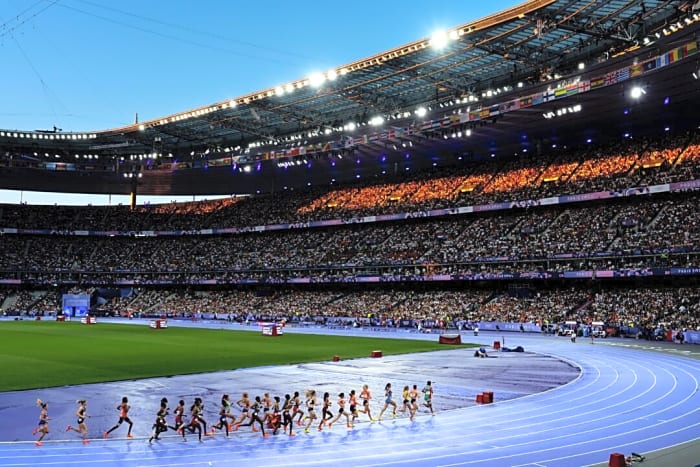
Mandatory sex testing in sport dates back decades, particularly during Cold War competition between global powers. Female athletes were subjected to chromosome tests to verify eligibility. These practices were later abandoned after being judged discriminatory and scientifically flawed. Many affected athletes were women of color or from developing nations. The current policy reintroduces genetic screening under a new framework. Once testing systems are established, history shows they rarely shrink. The return of DNA based eligibility signals a familiar pattern with modern justification.
The Ripple Effect Beyond The Olympics

The Olympic decision is already influencing other levels of sport. World Athletics has implemented similar testing, while other federations are evaluating adoption. Advocacy groups warn the impact may extend to youth and amateur competitions. The National Women’s Law Center raised concerns about young athletes facing biological screening before competing. Genetic experts also highlighted risks, including contamination that could produce false positives. As policies spread, the structure of women’s sport is being reshaped far beyond the Olympic stage, raising stakes for athletes worldwide.
Los Angeles Looms Over A Legal Battle
The 2028 Los Angeles Olympics now sit at the center of an expanding legal and political conflict. The Semenya case returns to Switzerland for further review, leaving unresolved questions about athlete rights. Coventry acknowledged the uncertainty, stating: “As we know in today’s world, any and all rules and regulations at any point in time could always be challenged.” Nations may resist mandatory testing, and athletes could challenge the system directly. As July 2028 approaches, the focus may shift from competition to courtroom battles surrounding eligibility itself.
Sources:
IOC announces new Policy on the Protection of the Female (Women’s) Category in Olympic Sport. International Olympic Committee, March 26 2026
Transgender women athletes banned from female Olympic events by new IOC policy. Associated Press, March 26 2026
Mass. trans leaders accuse IOC of ‘prejudice’ for ban on transgender women athletes. WGBH / NPR, March 26 2026
White House Celebrates Pressuring Olympics Into Banning Trans Women. Yahoo Sports, March 26 2026
Semenya’s right to a fair trial was violated – European court. Polity, July 9 2025
Scientists Slam World Athletics’ Mandatory SRY Testing For Female Athletes. Marathon Handbook, August 5 2025
Openly transgender female weightlifter Laurel Hubbard fails to complete lifts at Tokyo Olympics. ESPN, August 1 2021
More must-reads:
- Buffalo Sabres clinch playoff spot, end longest postseason drought in NHL history
- Mets star Juan Soto to undergo MRI for possible calf injury
- The 'NCAA men's basketball champions' quiz
Breaking News
Trending News








Customize Your Newsletter
 +
+




Get the latest news and rumors, customized to your favorite sports and teams. Emailed daily. Always free!
PRIVACY POLICY COOKIE POLICY CONTACT US
ABOUT YARDBARKER TERMS OF SERVICE


By using this site, you agree to our Terms of Service and Privacy Policy.
This site is for entertainment purposes only.
There is no gambling offered on this site.
Gambling Problem? Call 1-800-Gambler.
