
-

-


Follow Us
-

 On Facebook
 On Flipboard
 On Twitter
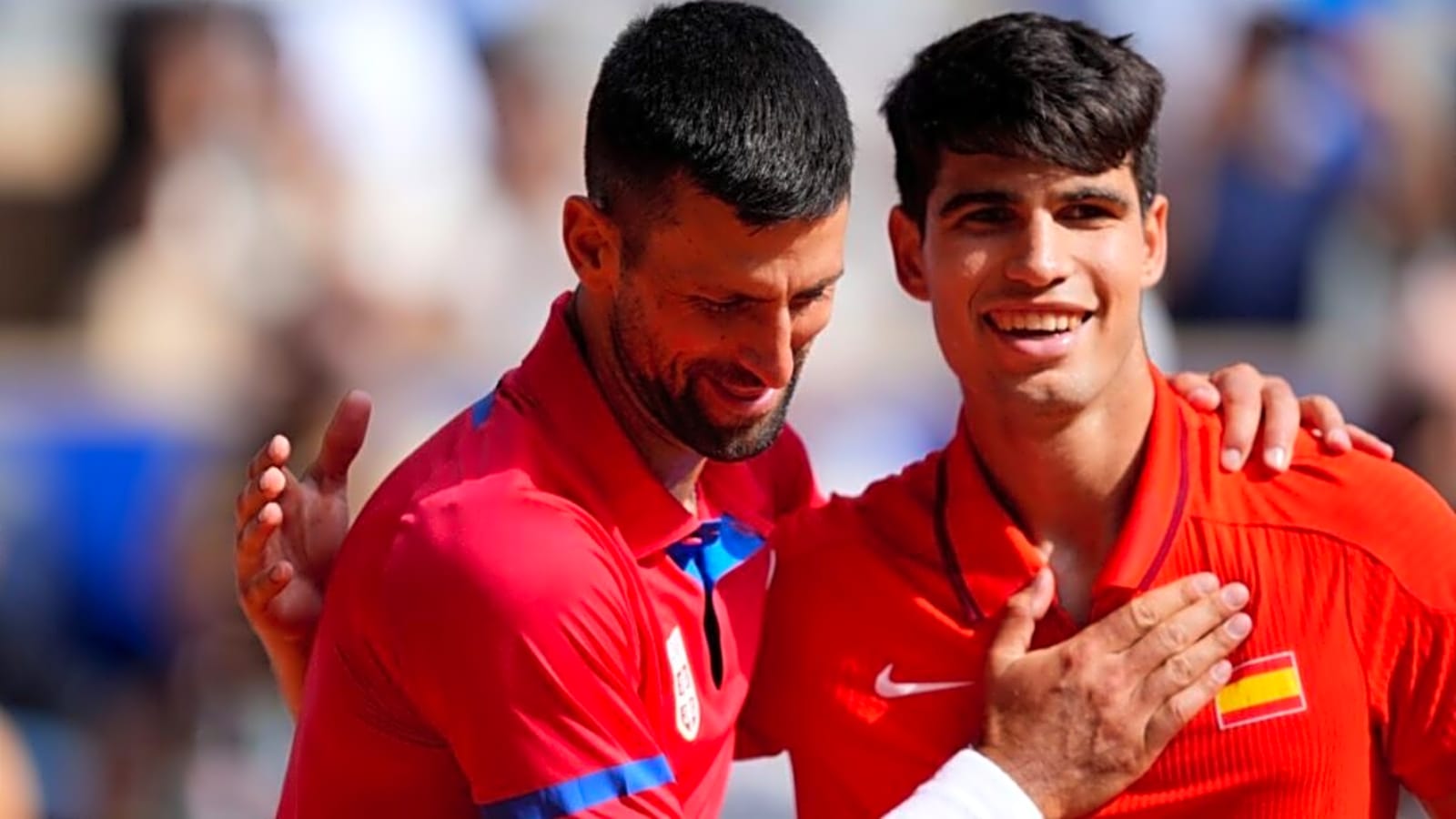
Tennis players are high performers whose entire lives revolve around their sport. Like all professionals at the elite level, they must invest an extraordinary amount of time into their craft. When money enters the conversation, there are valid arguments on both sides, that players should earn more, and that they already earn enough.
Today’s tennis players earn more than ever before, but the distribution remains heavily skewed toward the top. If you’re among the very best, you can earn incredible sums that many would argue you deserve for reaching the pinnacle of your sport. But if you’re not at that elite level, you may struggle just to stay afloat financially. This stark divide reveals a fundamental problem with how tennis distributes its wealth, and recent developments suggest the sport’s biggest names might be inadvertently making the situation worse.
Karue Sell Wins Over 50 Matches and Still Loses Money
Consider the case of Karue Sell, a Brazilian player who had a solid 2024 season playing primarily challenger events. Despite posting an impressive 56-16 record, translating to a very good 73% win rate, Sell revealed in a YouTube video that he actually lost money that year. His travel costs and other expenses exceeded his prize money earnings, and this was without the extensive support team that top players employ. Sell’s situation perfectly illustrates the brutal economics facing the vast majority of professional tennis players. Here was someone performing exceptionally well by most standards, winning nearly three-quarters of his matches, yet still going backwards financially while pursuing his professional dreams.
This reality illustrates exactly the problem that Novak Djokovic has long championed. The Serbian star has consistently argued that tennis doesn’t generate enough revenue for players outside the very top ranks, and that this systemic issue needs urgent attention. Through his PTPA (Professional Tennis Players Association) initiative, Djokovic has pushed for better revenue sharing toward lower-ranked players and improved safety nets for injuries.
Top 10 Players Ask Grand Slams to Increase Prize Money Pool
Given Djokovic’s passionate advocacy for tennis’s forgotten players, it’s particularly notable that his signature was absent from a recent letter sent by top-10 players to the Grand Slams. Dated July 30th and reported by the Associated Press, the letter called for increased revenue sharing by 2030, from 16% to 22%, along with improvements to pension, health, and maternity benefits. On the surface, this seems like exactly the kind of progressive thinking the sport needs. Players like Carlos Alcaraz, Jannik Sinner, Jack Draper, Aryna Sabalenka, Coco Gauff, and Iga Swiatek all signed it, advocating for more money to flow to players who dedicate everything to the sport.
The question becomes unavoidable: if Djokovic cares so deeply about player welfare and revenue sharing, why didn’t he sign this seemingly positive initiative?
Perhaps Djokovic abstained because this approach fundamentally misses the point. Yes, it looks progressive on paper, more money flowing to players who deserve fair compensation for their sacrifices. This year alone, Sabalenka and Alcaraz received the highest US Open champion’s purses in history, a headline that suggests the sport is moving in the right direction. But appearances can be deceiving, and in this case, they mask a deeper problem that such increases actually exacerbate.
The Most Financial Pain is on the Challenger, Futures, Junior and ITF Tours
Djokovic has famously argued that tennis doesn’t need more money at the top, it needs more money at the bottom, where the system is genuinely unsustainable. His reasoning becomes clear when you examine the economic realities at tennis’s lower levels. Consider the ITF Tour, where tournaments offer just $15,000 in total prize money. That figure sounds modest but manageable until you realize it’s split among all participants, with the winner typically receiving around $2,160 and first-round losers getting nothing. After accounting for travel, accommodation, food, and coaching costs, expenses that easily exceed $1,000 per week on tour, even reaching the later rounds often results in financial losses. These costs are after players have spent up to $100,000 a year as juniors, just trying to reach the pro level, according to former pro Dominic Thiem.
The mathematics of professional tennis at this level are genuinely sobering. A player like Sell, winning 73% of his matches, still couldn’t break even. Imagine the situation for players with more typical win rates of 50-60%, or those dealing with injuries that force them to withdraw from tournaments after already incurring travel expenses.
The problem persists even at higher levels where you might expect economics to improve. On the Challenger tour, despite more substantial prize money ranging from $50,000 to $162,000 per tournament, sustainability remains elusive for most participants. The increased prize pools come with correspondingly higher expenses, more travel to global tournaments, improved equipment, and the extended support teams necessary to compete at this level. Even players ranked just outside the top 100, competing on the ATP Tour itself, often struggle to break even when factoring in their full professional expenses.
Now consider how the top-10 players’ initiative fits into this landscape. Will increasing the Grand Slam prize money from the current levels to even higher amounts solve these fundamental structural issues? The answer is unequivocally no, though it will certainly enhance the already substantial earnings of the players who signed that letter. When Alcaraz wins the US Open and receives a record-breaking purse, that money comes from the same revenue pool that could theoretically support dozens of lower-level tournaments or provide meaningful assistance to struggling professional players.
Tennis Current Financial Structure Needs Reform
The trickle-down economics that proponents of this approach might invoke simply don’t work in tennis’s current structure. While some of that increased revenue at Grand Slams might eventually benefit players ranked in the top 50-90, it does virtually nothing for the hundreds of players competing across numerous events beyond the premier tournaments.
That’s perhaps one of the reasons for Djokovic’s signature absence from this latter. His PTPA initiatives have consistently focused on structural reforms that would genuinely help tennis’s struggling majority: revenue redistribution toward lower levels, injury insurance, minimum earning guarantees, and support systems that would allow talented players to develop their careers without facing financial ruin.
In contrast, asking Grand Slams to increase prize money represents the path of least resistance, a feel-good measure that generates positive headlines without addressing underlying problems. The top-10 players’ initiative, while undoubtedly well-intentioned, won’t address tennis’s real money problem and may actually exacerbate it by further concentrating resources at levels that are already financially viable. True reform requires the courage to restructure how tennis distributes its wealth, focusing on the bottom of the pyramid rather than adding more gold to the top. Until tennis embraces this more difficult but necessary path, the sport will continue hemorrhaging talent and compromising its own future, losing countless players who have the skill to compete but not the financial resources to sustain their dreams.
More must-reads:
- Lakers' Austin Reaves out for remainder of season
- Buffalo Sabres clinch playoff spot, end longest postseason drought in NHL history
- The 'NCAA men's basketball champions' quiz
Breaking News
Trending News








Customize Your Newsletter
 +
+




Get the latest news and rumors, customized to your favorite sports and teams. Emailed daily. Always free!
PRIVACY POLICY COOKIE POLICY CONTACT US
ABOUT YARDBARKER TERMS OF SERVICE


By using this site, you agree to our Terms of Service and Privacy Policy.
This site is for entertainment purposes only.
There is no gambling offered on this site.
Gambling Problem? Call 1-800-Gambler.
