
-

-


Follow Us
-

 On Facebook
 On Flipboard


The Colorado Rockies spent the trade deadline selling pieces, and one of their most revealing decisions was the player they chose not to move.
Bob Nightengale of USA Today reported Monday that Colorado is finalizing a two-year contract extension with Mickey Moniak after other clubs showed interest in the outfielder. MLB.com later reported that the sides had agreed to the deal, according to sources, although the Rockies have not formally announced it.
This may be an early indication of how this front office wants to build.
Moniak came to Colorado looking for a reset after a rocky start to his career. Once a No. 1 overall pick, he never fully settled in Philadelphia, bounced to the Angels, and was ultimately released before the 2025 season. The Rockies took a chance on him, and he rewarded that faith by hitting .270/.306/.518 with 24 home runs and 68 RBI.
His good play has continued in 2026. Despite missing time with hand and ankle injuries, Moniak entered Tuesday batting .277/.318/.565 with 18 home runs. President of baseball operations Paul DePodesta described him as a clubhouse leader whose experience can help shape the culture Colorado is trying to create.
Colorado has also become somewhere Moniak appears to value as a city and home. While defending the Coors Field fans who started the “Tarps Off” trend, a fan-driven social media movement encouraging supporters to go shirtless at Coors Field during games, he said, “I’m looking out for us, the great fans of Denver, Colorado, and giving them credit where credit’s due.”
Colorado Is Building a Core
There was a reasonable case for trading Moniak. His production, age, and remaining control could have attracted a meaningful return.
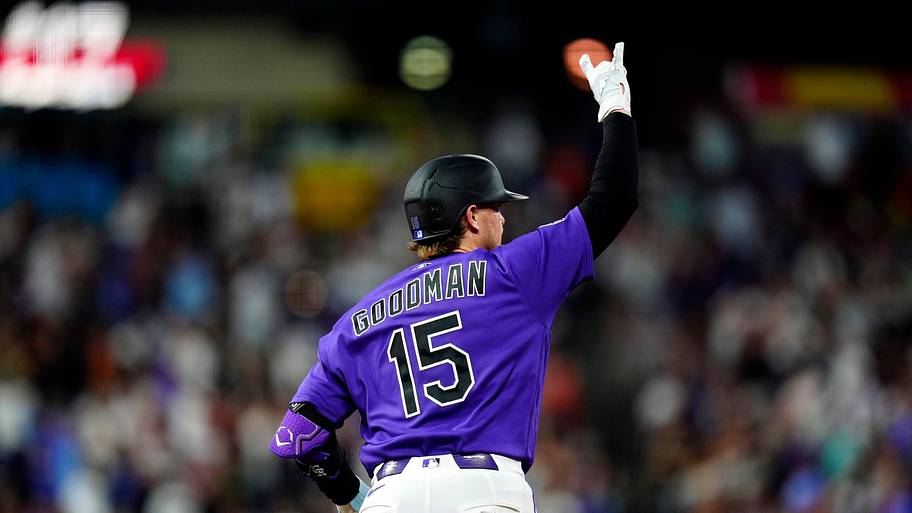
The Rockies instead appear willing to keep him. Combined with their decisions not to trade Jake McCarthy or Hunter Goodman, that choice could represent something more encouraging than a franchise simply meandering about.
Colorado did not refuse to sell altogether. Brenton Doyle , Antonio Senzatela and Victor Vodnik were moved. Keeping Moniak, McCarthy and Goodman may suggest it also recognizes that a rebuild cannot consist entirely of replacing productive major leaguers with prospects who still need years of development.
Serious teams eventually have to decide which players are worth building around rather than constantly asking what they could bring back. A revolving door risks turning a rebuilding organization into a feeder system for contenders rather than a future contender itself.
The Rockies may have begun making that distinction.
More must-reads:
- Braves report raises questions about Tigers-Dodgers Tarik Skubal deal
- This may be the end for Pirates legend Andrew McCutchen
- The 'Three-time batting champions' quiz
Breaking News
Trending News


Customize Your Newsletter
 +
+




Get the latest news and rumors, customized to your favorite sports and teams. Emailed daily. Always free!
PRIVACY POLICY COOKIE POLICY CONTACT US
ABOUT YARDBARKER TERMS OF SERVICE


By using this site, you agree to our Terms of Service and Privacy Policy.
This site is for entertainment purposes only.
There is no gambling offered on this site.
Gambling Problem? Call 1-800-Gambler.
