
-

-


Follow Us
-

 On Facebook
 On Flipboard


The Buffalo Bills have announced seven sensory rooms inside their new 62,000 seat Highmark Stadium, set to open for the 2026 NFL season in western New York. The move marks the highest number of sensory spaces in any stadium worldwide. It directly addresses a long overlooked barrier for fans with autism, ADHD, and other sensory sensitivities. Most NFL venues still offer none. For many families, game day has never been an option. This decision changes who can attend and how they experience it, and it signals a shift the rest of the league can no longer ignore.
When Most Stadiums Offer Nothing
Across the NFL, the standard has been strikingly limited. Most stadiums still offer zero dedicated sensory rooms. A small number have added one or two in recent years, often as pilot efforts rather than full commitments. Highmark Stadium changes that scale entirely. Its approximately 62,000 seats will include access to seven sensory rooms placed on every level, open to all ticket holders without restrictions. No special credentials required. That level of access introduces a contrast that reshapes expectations across the league, and the comparison grows sharper with context.
Accessibility Meant Something Different Before

For decades, accessibility in stadium design focused on physical needs. Ramps, elevators, and designated parking defined the standard. That framework left out millions whose challenges are neurological rather than visible. Research cited by advocacy groups estimates that about 20% of people experience neurodivergence, including autism, ADHD, dyslexia, and sensory processing differences. NFL environments amplify sound, light, and unpredictability at extreme levels. For many, that creates a barrier impossible to manage in real time. The assumption that access was already solved begins to unravel under that reality.
Seven Rooms Change Game Day Reality

The Bills designed each sensory room as a calm, quiet environment where guests can step away without leaving the stadium entirely. Placement across all levels ensures equal access regardless of seating location. Zach Rutkowski, the Bills’ Senior Director of Guest Experience, said the team is “excited to continue to provide a sensory inclusive stadium experience for our fans at Highmark Stadium and are humbled to now have seven sensory rooms for fans to utilize.” That statement carries weight because of what has been missing, and it hints at the deeper system behind these rooms.
The System Powering These Spaces

Behind the rooms sits a structured approach built over years. KultureCity, founded in 2014, provides certification standards and annual staff training developed with medical professionals and neurodivergent individuals. The program also includes sensory bags equipped with noise reducing headphones and fidget tools. Since its founding, more than 1,000,000 sensory bags have been distributed at venues worldwide. That figure reflects sustained demand rather than occasional need. Partnerships with the Doug Flutie Jr. Foundation for Autism and Kaleida Health add clinical and personal credibility, and the scale of that demand raises a deeper question.
Demand Was Always There Waiting
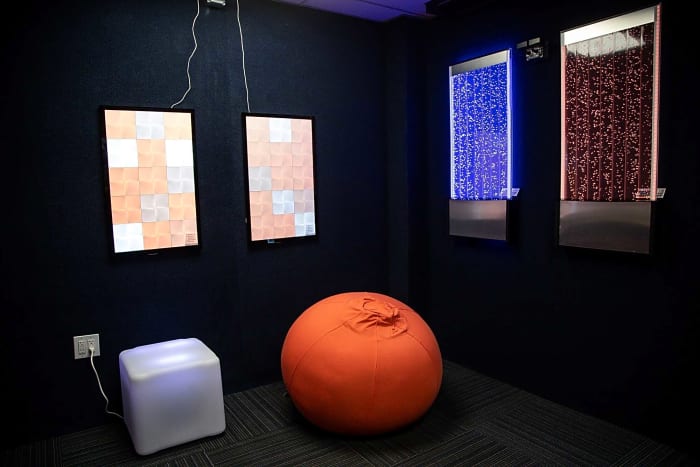
The numbers reveal a gap that has existed for years. Over 1,000,000 sensory bags distributed since 2014 signals consistent demand across events. A KultureCity representative said, “This just shows that the demand is there for this type of support.” Despite that evidence, most stadiums still lack even one dedicated sensory room. The supply side failed to evolve at the same pace as awareness. Live Nation’s July 2025 partnership with KultureCity to certify 25 venues marked progress, yet sports facilities largely lag behind. That imbalance now faces pressure from a single NFL project.
A Move That Shifts The League

When one franchise builds seven sensory rooms and others have none, comparisons become unavoidable. The Buffalo Bills have created a visible gap in fan experience that competitors must address. Families who once avoided games now have a viable option. Other teams face growing scrutiny from fans and advocacy groups. The effect extends beyond football into concerts, theaters, and arenas that share similar environments. With estimates suggesting 25% of people experience sensory needs or invisible disabilities, the potential audience expands dramatically, and expectations begin to rise with it.
From Experiment To Expectation

Sensory inclusion has been gaining traction through the mid 2020s, often in limited pilot programs. Highmark Stadium moves beyond experimentation into full scale implementation. Seven rooms across multiple levels supported by certified training and medical partnerships establish a working model rather than a test case. The shift reframes how venues approach design decisions moving forward. Once this level of access exists, earlier standards begin to feel incomplete. That realization places pressure on organizations still operating under older assumptions, and the timeline for response is already approaching.
Pressure Builds Before 2026 Kickoff

The 2026 NFL season creates a clear deadline for comparison. As Highmark Stadium opens, other teams will face direct questions about their own facilities. Investment decisions now carry both financial and reputational consequences. Consulting demand for sensory inclusive design is expected to rise, along with requests for certification and staff training. Organizations delaying upgrades risk losing segments of their audience. The cost of inaction grows more visible with each announcement. That pressure leads back to a fundamental issue that has shaped attendance for years.
Who Finally Gets To Attend Games
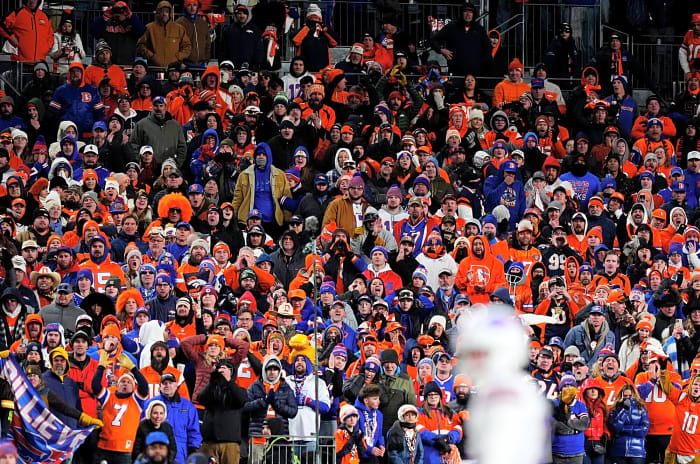
This development reframes a long standing question in professional sports. Who gets to attend live events comfortably and consistently? The Bills answered with infrastructure rather than messaging. Annual training requirements ensure the system remains active beyond opening day. Families who have experienced sensory overload now have a space designed with their needs in mind. The impact reaches beyond a single stadium into how access is defined across the industry. What once felt optional now looks essential, and the broader response will reveal how quickly others follow.
Sources:
Bills announce seven sensory rooms in Highmark Stadium. BuffaloBills.com, April 13, 2026
Bills will have seven sensory rooms at new stadium. NBC Sports, April 12, 2026
Bills Make Historic Announcement On Amazing New Feature For New Stadium. Heavy.com, April 12, 2026
How new Bills stadium compares to current Highmark: Capacity, turf, and more. Yahoo Sports, September 28, 2025
Live Nation and KultureCity Launch Largest Sensory Accessibility Partnership in Live Entertainment. Live Nation Newsroom, July 9, 2025
1 Million Impacted: Meg Raby and KultureCity Create Sensory Inclusion One Bag at a Time. TravelAbility Insider, March 6, 2026
Doug Flutie Jr. biography. Flutie Foundation, accessed April 2026
More must-reads:
- Texans' Will Anderson Jr. gives Browns' Myles Garrett ammo for pay raise amid trade rumors
- Eagles legend Nick Foles says A.J. Brown wants this amid trade, Patriots rumors
- The 'Most NBA-debut points by NBA team' quiz
Breaking News
Trending News





Customize Your Newsletter
 +
+




Get the latest news and rumors, customized to your favorite sports and teams. Emailed daily. Always free!
PRIVACY POLICY COOKIE POLICY CONTACT US
ABOUT YARDBARKER TERMS OF SERVICE


By using this site, you agree to our Terms of Service and Privacy Policy.
This site is for entertainment purposes only.
There is no gambling offered on this site.
Gambling Problem? Call 1-800-Gambler.
