
-

-


Follow Us
-

 On Facebook
 On Flipboard


The Dallas Cowboys pulled off one of the loudest moves at the NFL trade deadline, landing star defensive tackle Quinnen Williams from the New York Jets. The price tag: Mazi Smith, a 2026 second-round pick, and a 2027 first-round pick. Three premium assets shipped out for one player. Cowboys fans celebrated. The front office called it a championship-caliber addition. And buried inside the deal, a contract worth $96 million followed Williams to Dallas, carrying a financial structure almost nobody stopped to examine.
The Trade That Shook the Deadline
Williams arrived as exactly the kind of player Dallas needed. A dominant interior pass rusher, the kind of talent teams build defenses around. The Jets signed him to a four-year, $96 million extension in July 2023, a deal that included $66 million in guarantees at signing. That number looked massive. It was supposed to lock in a franchise cornerstone for years. But NFL contracts erode faster than fans realize, and the guarantees Williams once carried have already burned through at a stunning rate.
The $96 Million Illusion

Most fans hear “$96 million” and assume the Cowboys owe that money no matter what. They don’t. Total contract value and guaranteed money are two completely different animals in the NFL. The total value represents what a player earns if he stays on the roster through every season. Guaranteed money is what the team must pay even if they cut him tomorrow. That gap between the two numbers is where front offices operate, and where fans consistently get fooled by the big-dollar headlines.
Zero Protection Beyond 2026

Williams has only $7.66 million in guaranteed money remaining on the deal. Beyond the 2026 season, the number drops to zero. Not reduced. Not restructured. Zero. A $96 million contract with no guaranteed money remaining past next year. The Cowboys inherited a deal where the financial commitment can vanish with one roster decision. That means Dallas holds enormous leverage, but it also means Williams plays every snap from 2027 onward knowing the team owes him absolutely nothing if they walk away.
How Guarantees Disappear
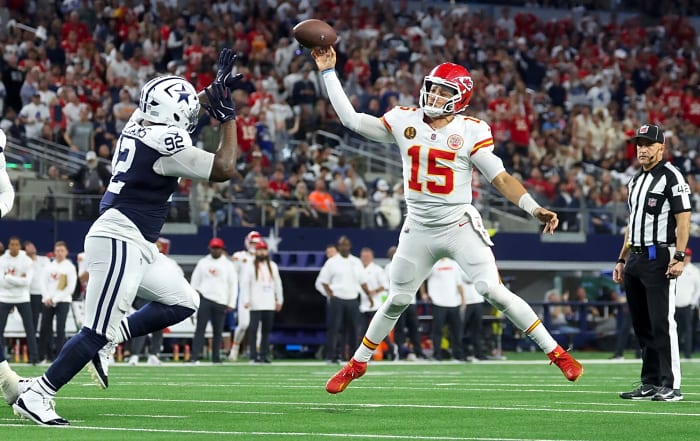
The Jets front-loaded Williams’ guarantees when they signed the extension, packing the protection into a signing bonus and his 2023 and 2024 salaries. That’s standard practice: stack the protection in the early years, then let the back end of the deal function as team options disguised as contract years. By the time Dallas acquired Williams, those early guarantees had already paid out. What traveled across the trade wire looked like a $96 million commitment. What actually arrived was a short-term rental dressed in long-term clothing. The structure benefits Dallas enormously, if Williams keeps producing.
The Numbers Behind the Risk

Williams carries a cap hit of roughly $21.63 million in 2026 and $25.50 million in 2027. Those are real dollars the Cowboys must budget for, but neither year forces Dallas to actually pay if they decide to move on. Compare that to Tyler Smith’s extension, which included $81.2 million in guarantees. One Cowboys player locked in long-term security. The other, their newly acquired star, plays on what amounts to a prove-it deal wearing a nine-figure costume. The contrast is staggering.
The Elephant Everyone Ignored
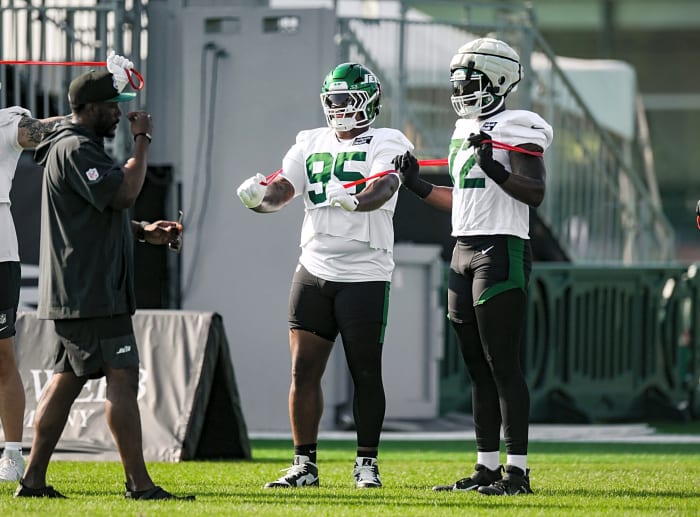
NFL analysts called it “the $96 million elephant in the room.” The Cowboys traded three premium assets for a player whose contract gives them an escape hatch after one guaranteed season. If Williams suffers a major injury or his production dips, Dallas can walk away without owing a cent beyond 2026. That’s a franchise-altering level of flexibility built into what looks like a franchise-altering commitment. The elephant isn’t the contract size. The elephant is that the contract barely exists past next year.
A New Extension Looms

Williams likely knows exactly where he stands. Reports suggest he could be looking at a fresh extension in the $110 million range, one that would reset his guarantees and lock in real long-term security. The Cowboys face a choice: pay Williams near the top of the defensive tackle market with new guaranteed money, or ride the current deal knowing they can cut bait after 2026 with minimal financial damage. Either path reshapes the Cowboys’ cap structure for half a decade.
Win Now, Pay Later
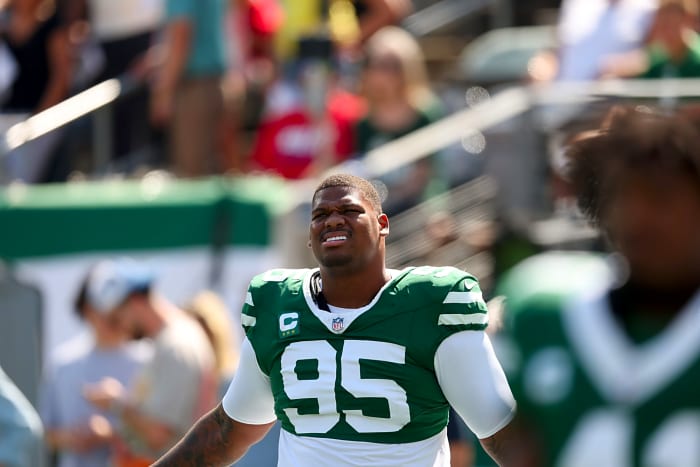
Dallas already surrendered a future first-round pick and a second-rounder to get Williams. Those draft assets are gone regardless of what happens with the contract. If Williams plays at an All-Pro level, the Cowboys face pressure to extend him at market-resetting money. If he declines, they lost two premium picks for a rental. The trade deadline acquisition that looked like a power move carries a ticking clock that the salary cap will eventually force Dallas to confront.
The Contract Cowboys Fans Need to Understand
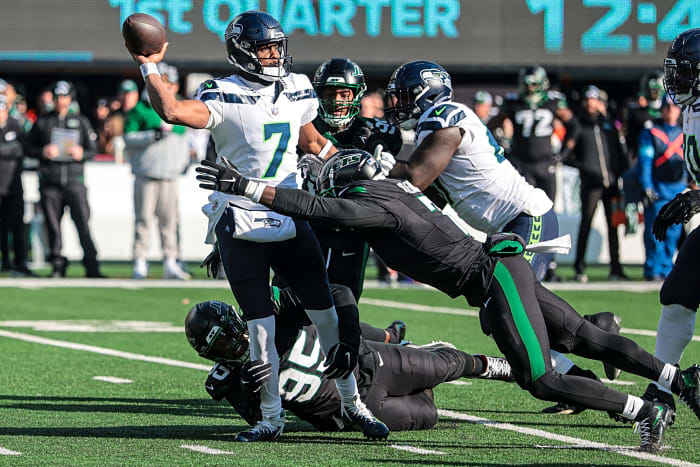
Every Cowboys fan celebrating the Williams trade should memorize one number: $7.66 million. That’s the guaranteed money remaining on his deal, the only financial anchor tying Williams to Dallas with any certainty. After that, a $96 million contract becomes a suggestion. The Cowboys bet their draft capital on a player they can walk away from in roughly a year. Whether that makes Jerry Jones a genius or a gambler depends entirely on what Williams does between now and the moment Dallas must decide to pay him for real. Drop your take below: should Dallas hand Williams a new deal now, or ride out the leverage and reassess after 2026?
More must-reads:
- Lions urged to cut ties with struggling draft pick
- Aaron Donald has one condition to possibly unretire, join Myles Garrett with Rams
- The '20-point Stanley Cup Playoffs' quiz
Breaking News
Trending News





Customize Your Newsletter
 +
+




Get the latest news and rumors, customized to your favorite sports and teams. Emailed daily. Always free!
PRIVACY POLICY COOKIE POLICY CONTACT US
ABOUT YARDBARKER TERMS OF SERVICE


By using this site, you agree to our Terms of Service and Privacy Policy.
This site is for entertainment purposes only.
There is no gambling offered on this site.
Gambling Problem? Call 1-800-Gambler.
