
-

-


Follow Us
-

 On Facebook
 On Flipboard


With the conclusion of the Qatar ExxonMobil Open tournament in Doha on Sunday, the tennis calendar turns another page as the early hardcourt swing continues into late February. Despite a lopsided final which saw the crowning of a predictable champion, this year’s edition of the ATP 500 event nevertheless offers insight into the tour moving forward. Looking ahead to Indian Wells, Miami, and beyond, what lessons can be drawn from Doha?
Carlos Alcaraz Looked Unbeatable
While the odds were certainly in Carlos Alcaraz’s favor heading into the final, the tennis he produced in Doha showed once again just how strong his game has become. The Spaniard broke to begin the opening set and never looked back in the 6-2, 6-1 masterclass. His explosive movement from the back of the court often neutralized many of the better groundstrokes from Frenchman Arthur Fils. Alcaraz’s devastating power, especially off the forehand wing, kept his opponent scrambling. His feel at the net helped him win all five points he played there.
This win is a bad sign for the rest of the tour. A locked-in Alcaraz is a nearly impossible test in tennis right now. Gone are the memories of the grueling five-set thriller against Alexander Zverev just a few weeks ago, when cramps threatened his run to the Australian Open title. Provided Alcaraz can stay healthy in the coming months, every tournament he enters right now feels like his to lose.
Jannik Sinner Needs To Capitalize On His Chances
Jannik Sinner’s Doha tournament ended before an anticipated clash with Alcaraz in the final. His 6-7, 6-2, 3-6 quarterfinal defeat to Jakub Mensik comes as Sinner’s second loss in four matches, noteworthy given his recent hardcourt dominance. Although he’s not the kind of player to panic, he will no doubt want to reset after the early exit.
Sinner will need to have a short memory as the spring season approaches. Due to the ban, which prevented him from competing for part of last year, he has the chance to earn “free” points at multiple upcoming Masters 1000 events. Sinner’s absence from tournaments such as Indian Wells and Miami in 2025 means he has no ranking points to defend and can focus on racking up as many as possible. A dip in form that results in a premature loss or two during these events, however, could significantly damage his chances of battling Carlos Alcaraz for the number one spot down the stretch.
Novak Djokovic Played It Smart
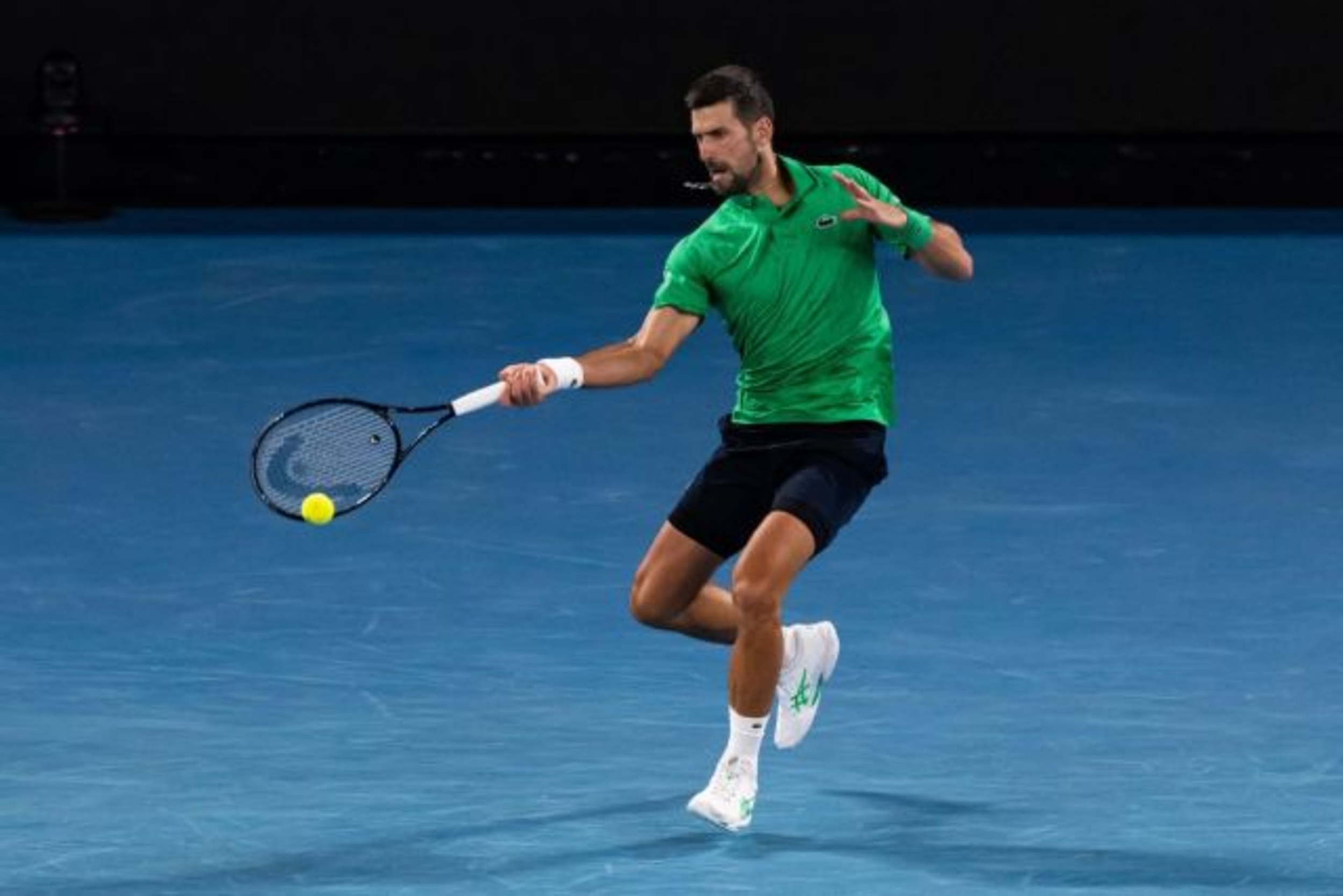
In the week leading up to Doha, Novak Djokovic announced his withdrawal from the tournament due to fatigue. As much as fans would have loved a potential rematch with Sinner or Alcaraz, Djokovic needs to listen to his body at this stage of his career. He has made it clear that his priority is winning Grand Slam title number 25, and playing an ATP 500 event just doesn’t fit that plan if he’s not feeling right. He’s earned it, after all.
Expect Djokovic to play only enough matches to peak at the right times throughout the year, around the Grand Slam events. A healthy Djokovic is still very much a dangerous Djokovic. As long as he has enough ranking points to give him a favorable seeding at the big events, he’s doing exactly what he needs to do. He should prioritize longevity and Grand Slam titles over other tournaments.
End Of My Doha Tennis Rant
In some ways, Doha went exactly as many would have expected. The top-ranked player Alcaraz, took home the trophy in a one-sided final, showcasing his almost otherworldly talent. On the other hand, Sinner’s early departure and Djokovic’s withdrawal both added a bit of the unexpected. While tennis fans will have to wait and see how the rest of 2026 unfolds, Doha provides a glimpse into some of the more compelling storylines on the ATP tour.
More must-reads:
- Azzi Fudd's rookie season falls further behind Olivia Miles after latest injury news
- USMNT striker pool: Who should replace Haji Wright in the team's fall matches?
- The 'NFL Playoffs rushing record' quiz
Breaking News
Trending News




Customize Your Newsletter
 +
+




Get the latest news and rumors, customized to your favorite sports and teams. Emailed daily. Always free!
PRIVACY POLICY COOKIE POLICY CONTACT US
ABOUT YARDBARKER TERMS OF SERVICE


By using this site, you agree to our Terms of Service and Privacy Policy.
This site is for entertainment purposes only.
There is no gambling offered on this site.
Gambling Problem? Call 1-800-Gambler.
