
-

-


Follow Us
-

 On Facebook
 On Flipboard


 Free Newsletters
 On YouTube
Matt Strahm News / Royals Review / July 10
Matt Strahm celebrates 10 years of service by taking loss against Orioles
The Royals fell 5-3 after another very Luinder Avila start and one too many trips to the bullpen. Matt Strahm gave up the final blow, a two-run home run to Samuel Basallo.
Vinnie Pasquantino News / ESPN / July 10
Royals activate Pasquantino (wrist) from IL 
The Royals activated first baseman Vinnie Pasquantino from the injured list Friday after he missed more than three weeks with a fractured right hamate bone.
Vinnie Pasquantino News / Royals Review / July 10
Royals bring Vinnie Pasquantino back from the injured list
The Pasquatch is back. Just before noon on Friday, the Kansas City Royals announced that Vinnie Pasquantino is being reinstated from the injured list. In the same flurry of roster moves, the Royals are recalling reliever Eli Morgan and optioning outfielder Kameron Misner and reliever Jose Cuas back to Omaha.

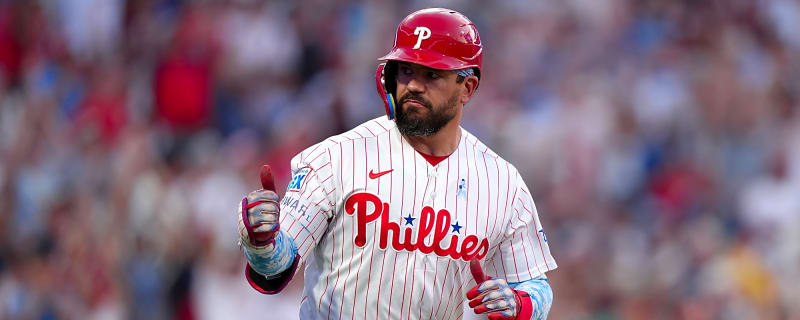
The 'Active MLB XBH leaders' quiz
How many of the active MLB players to rack up at least 500 extra base hits in their career can you name in five minutes?
Kansas City Royals News / Royals Review / July 10
Royals Reacts Results: Wheelin’ and dealin’
Welcome to SB Nation Reacts, a survey of fans across the MLB. Throughout the year, we ask questions of the most plugged-in Kansas City Royals fans and fans across the country. Sign up here to participate in the weekly emailed surveys.

The 20 greatest MLB teams to never win the World Series
Even the most successful regular-season teams in Major League Baseball have failed to win it all. Here's our list of 20 such clubs that fall into that category.
Kansas City Royals News / Royals Review / July 10
I think I’ve seen this film before and I didn’t like the ending
The Kansas City Royals have usually been bad for the past, oh, three, four decades for a litany of reasons, but one consistent contributing reason has been that they just don’t know when to say goodbye to a player in service of the greater good.
Kansas City Royals News / Royals Review / July 10
Royals All-Star Future: Derby Dreams, Draft Day, and a Historic Hitting Streak
All-Star Week is nearly here, the MLB Draft is around the corner, and the Kansas City Royals have plenty to talk about on both fronts. Jacob Milham and Jeremy Greco bring the energy, covering everything from Home Run Derby to draft strategy to a historic hitting streak from the unlikeliest of players.
Kansas City Royals News / Royals Review / July 10
Kansas City Royals news: Wacha, Lugo likely staying in Kansas City at trade deadline
Those of us that are hoping that the Kansas City Royals will make big trades during the MLB trade deadline at the end of July need to start bracing ourselves for the possibility of a quieter trading season.
Kansas City Royals News / MLB Trade Rumors / July 9
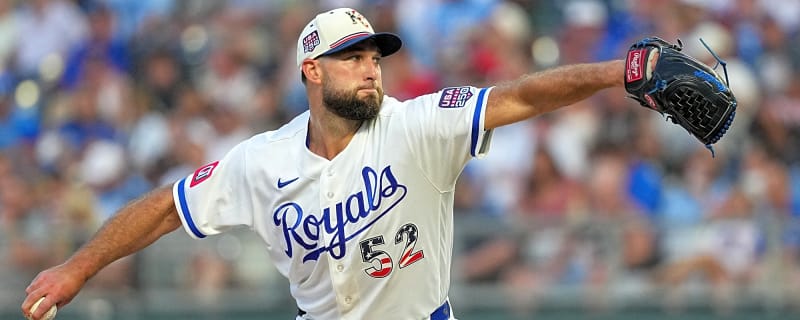
Royals Expected To Maintain High Asking Price On Wacha, Lugo
The Royals have been one of the more disappointing teams in MLB. They’re alongside the Angels as the two worst teams in the American League, the only AL clubs completely buried in the playoff picture.
Kansas City Royals News / Yardbarker / July 9
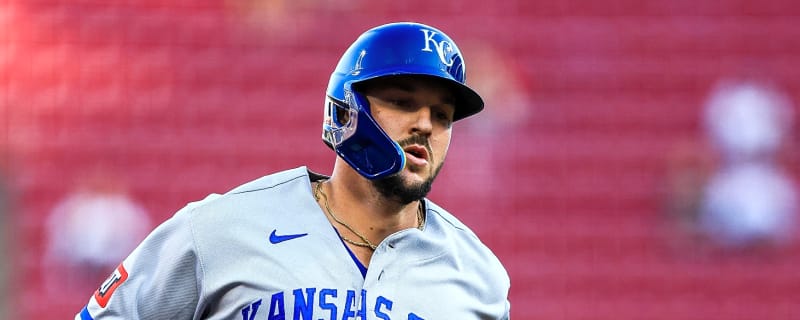
Vinnie Pasquantino aiming to return to struggling Royals on Friday
It's been another disappointing season for the Royals, but there might be a bit of good news on the way.
Kansas City Royals News / Athlon Sports / July 9

Royals Facing Vinnie Pasquantino Injury Decision After Matt Quatraro's Comments
Kansas City Royals' manager Matt Quatraro revealed an update on Vinnie Pasquantino's minor league rehab on Thursday, which will soon lead to an interesting decision for the team.

25 MLB players most likely to be traded by the deadline
The MLB Trade Deadline has been quieter in recent years, in part due to playoff expansion, but 2026 is shaping up to be a more exciting one with several big names.
Kansas City Royals News / Yardbarker / July 9
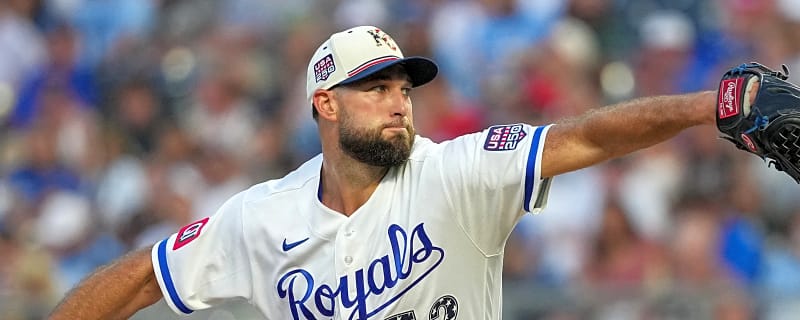
Royals likely to keep Michael Wacha and Seth Lugo past trade deadline
It doesn't sound like the Royals are interested in parting with two members of their rotation.
Jac Caglianone News / Kansas City Royals on SI / July 8

Royals' Jac Caglianone to Showcase Power in 2026 MLB Home Run Derby
MLB All-Star Week is just around the corner. The Kansas City Royals have two players heading to Philadelphia to participate in this year's All-Star Game.



Kansas City Royals News / Field Level Media / July 8

Royals' Jac Caglianone to compete in Home Run Derby
Kansas City Royals slugger Jac Caglianone on Wednesday announced his decision to participate in the Home Run Derby next week in Philadelphia. A first-time participant, Caglianone will join Tampa Bay Rays third baseman Junior Caminero and New York Yankees first baseman Ben Rice in the field at Citizens Bank Park on Monday.
Kansas City Royals News / Yardbarker / July 8

Royals' Jac Caglianone makes 2026 Home Run Derby decision
The 23-year-old has hit 14 home runs this season with an elite bat speed of 77.2 mph.
Tyler Tolbert News / Field Level Media / July 8
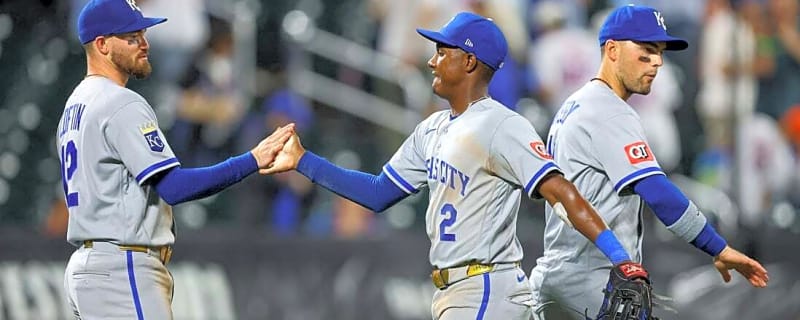
Royals, Tyler Tolbert hope to continue offensive barrage against Mets
Manager Matt Quatraro said Tuesday night the Kansas City Royals will need to prepare for a new set of circumstances Wednesday. The New York Mets, in particular, would surely like to offer up something different.

MLB News / Yardbarker / July 8

Mets' season reaches new low in historically bad loss as 'comedy show' continues
The 2026 season has been one to forget in many ways for the New York Mets, and that only continued in Tuesday's 16-12 loss to the Kansas City Royals.
MLB News / Yardbarker / July 7

Tyler Tolbert achieves MLB history twice as Royals beat Mets
Even if he's not yet a household name, Tyler Tolbert has already etched his name in MLB history.
MLB News / Larry Brown Sports / July 7

Royals give up an unreal Little League HR to Mets with three errors on one play
The Kansas City Royals somehow managed to out-Mets the New York Mets on Tuesday.
Kansas City Royals News / Yardbarker / July 6

Royals' All-Star Bobby Witt Jr. joins elite company with latest SB
Only five years into his career, Bobby Witt Jr. is building a resume that already places him among the all-time greats.
Michael Wacha News / Yardbarker / July 5

Royals' Michael Wacha joins rare company with second All-Star selection
Lost in the debate about who was snubbed, Kansas City Royals right-hander Michael Wacha's All-Star selection serves as a reason for everyone to celebrate.

Yordan Alvarez News / Yardbarker / July 5

Astros' Yordan Alvarez hits familiar holiday walk-off blast vs. Rays
No stranger to setting off fireworks, Yordan Alvarez sent the home fans happy on Saturday with a big blast of his own. Alvarez crushed a walk-off home
Kris Bubic News / MLB Trade Rumors / July 3

Kris Bubic Shut Down Due To Shoulder Soreness
Royals left-hander Kris Bubic is still not close to rejoining the team. He has been on a rehab assignment but, per the MLB.com injury tracker, was scratched from his next scheduled game.
Cole Ragans News / MLB Trade Rumors / July 2
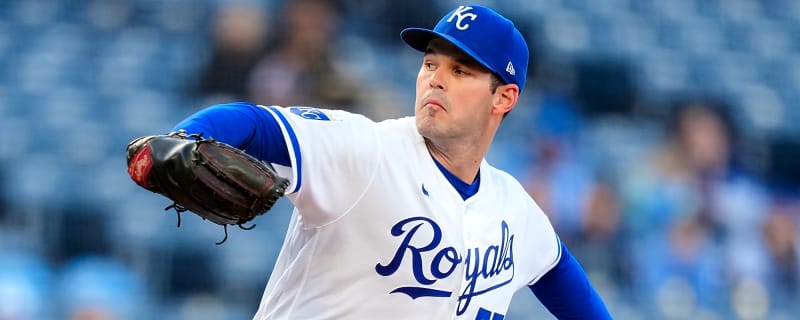
Cole Ragans Undergoes UCL Sugery
Royals left-hander Cole Ragans underwent surgery on the ulnar collateral ligament in his throwing elbow, reports Anne Rogers of MLB.com. It was reported last week that Ragans would be undergoing elbow surgery, but the details of the procedure weren’t clear.
MLB News / Yardbarker / July 1

Rays star Junior Caminero makes MLB history with latest home run
Baseball's hottest hitter isn't just carrying his team — he's making history.
Carter Jensen News / Yardbarker / July 1

Analyzing the success behind Carter Jensen's 20-game hitting streak for Royals
He currently holds the longest active hitting streak in MLB, and his hitting streak is something that no other Royals rookie has ever accomplished before.
Mitch Spence News / Yardbarker / June 26

Royals' Mitch Spence makes wrong kind of history vs. White Sox
Reliever Mitch Spence put his name into the Kansas City Royals record books on Friday. It was just not the kind of history he would have wanted to make.
Kansas City Royals News / Just Baseball / June 26
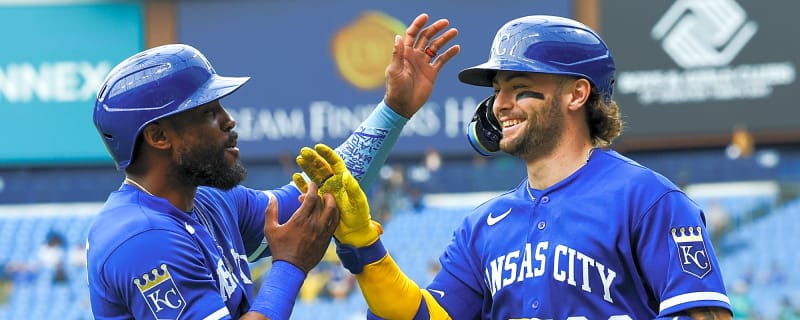
The Royals Have More Questions Than Answers Now and Into the Future
On October 1 of 2023, Zack Greinke took the mound one final time. A five-inning, one-run performance ultimately leading to a win in front of the Kansas City Royals faithful closing out the season, and for Greinke a career, with smiles in Kansas City.
Bobby Witt Jr. News / Yardbarker / June 17
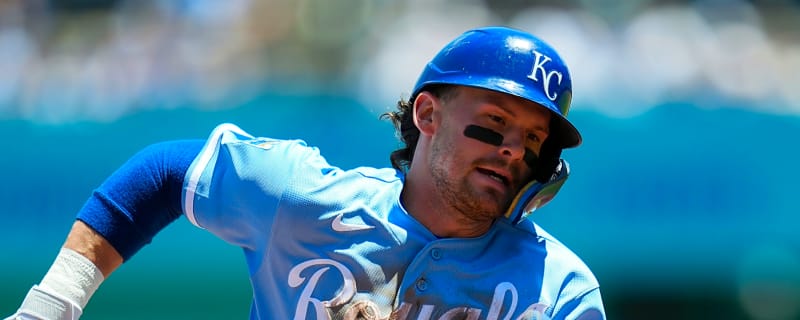
Royals shortstop Bobby Witt Jr. quietly on a historic pace
Witt's career pace in several statistical categories might surprise you.
Breaking News
Trending News






Customize Your Newsletter
 +
+




Get the latest news and rumors, customized to your favorite sports and teams. Emailed daily. Always free!
MY ACCOUNT
SUBSCRIBE
ADVERTISE
JOBS
FAQ
PRIVACY POLICY COOKIE POLICY CONTACT US
ABOUT YARDBARKER TERMS OF SERVICE


PRIVACY POLICY COOKIE POLICY CONTACT US
ABOUT YARDBARKER TERMS OF SERVICE
Copyright 2026 YB Media, LLC. All rights reserved.
By using this site, you agree to our Terms of Service and Privacy Policy.
This site is for entertainment purposes only.
There is no gambling offered on this site.
Gambling Problem? Call 1-800-Gambler.

By using this site, you agree to our Terms of Service and Privacy Policy.
This site is for entertainment purposes only.
There is no gambling offered on this site.
Gambling Problem? Call 1-800-Gambler.