
-

-


Follow Us
-

 On Facebook
 On Flipboard


 Free Newsletters
 On YouTube
Triston Casas News / MLB on ClutchPoints / July 6

Red Sox star Triston Casas shut down from hitting after concerning injury setback
Boston Red Sox first baseman Triston Casas’ return has been delayed again following another setback in his lengthy recovery. Ahead of Sunday’s series finale against the Los Angeles Angels, interim manager Chad Tracy confirmed that the 26-year-old has been shut down from swinging because of a wrist injury.
Ranger Suarez News / MLB Trade Rumors / July 6
Ranger Suarez Leaves Game With Left Adductor Tightness
Red Sox starter Ranger Suarez exited today’s game in the bottom of the third inning with left adductor tightness, according to the Boston Globe’s Tim Healey. On a 2-2 count, the lefty delivered a curveball to the Angels’ Jo Adell, who grounded to short and reached on an infield single.

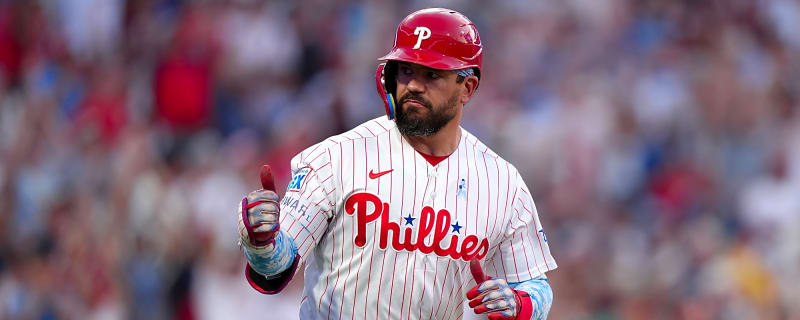
The 'Active MLB XBH leaders' quiz
How many of the active MLB players to rack up at least 500 extra base hits in their career can you name in five minutes?


25 MLB players most likely to be traded by the deadline
The MLB Trade Deadline has been quieter in recent years, in part due to playoff expansion, but 2026 is shaping up to be a more exciting one with several big names.
Boston Red Sox News / Larry Brown Sports / July 5
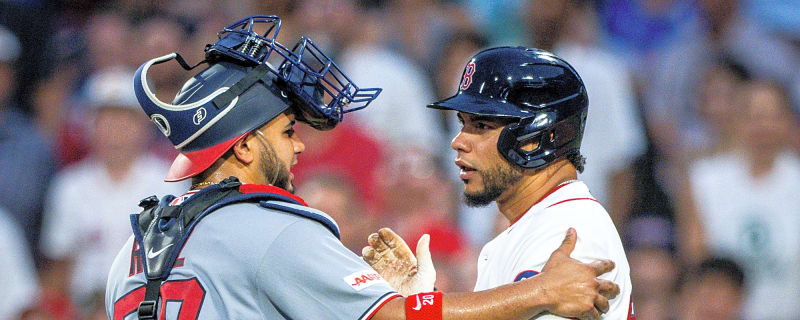
Willson Contreras offers explanation for his recent behavior
Boston Red Sox first baseman Willson Contreras offered an apology and an explanation for some of his recent behavior on Saturday. Contreras on Saturday offered a tearful apology for his recent involvement in a bench-clearing fight with Washington Nationals pitcher Cade Cavalli.
Alex Cora News / Boston Red Sox on SI / July 5

Red Sox Firing Reportedly Not Slowing Down Interest in Alex Cora
It sounds like former Boston Red Sox manager Alex Cora could very well end up finding a new home before the 2027 Major League Baseball season. Boston shocked the baseball world this past April when it fired Cora and a handful of coaches after a 10-17 start to the season.
Roman Anthony News / Boston Red Sox on SI / July 5
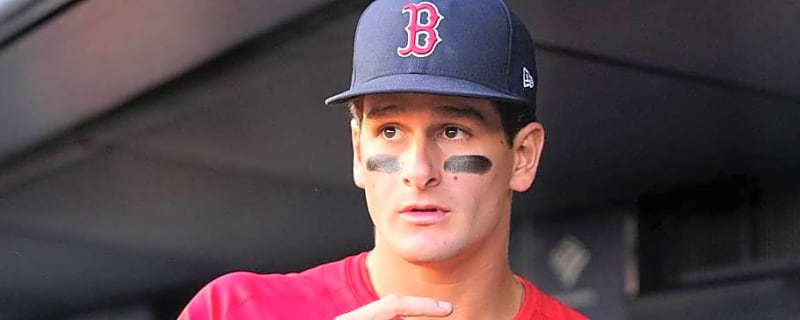
Red Sox Send Roman Anthony to Florida as Lengthy Rehab Continues
The Boston Red Sox have started to turn things around on the field over the last two weeks, but unfortunately it doesn't seem like the club is anywhere near getting it's best offensive weapon back into the mix.
Willson Contreras News / MLB on ClutchPoints / July 5

Suspended Red Sox’s Willson Contreras tearfully apologizes for incidents after All-Star snub
The Boston Red Sox feel like they had a few All-Star snubs this past week, with one of them being Willson Contreras. It has been a week for Contreras in general, as he looks to appeal his seven-game suspension after benches cleared in their game on Tuesday night against the Washington Nationals.

25 MLB players who could be first-time All-Stars in 2026
Being named to the Midsummer Classic is one of the biggest honors for MLB players. These 25 players have a chance to make their first All-Star appearance in 2026 based on their first-half performances.
Tommy Kahnle News / Boston Red Sox on SI / July 5

Why Tommy Kahnle Elected Free Agency After Rough Red Sox Tenure
For most of the current season, Tommy Kahnle was an intriguing option for the Boston Red Sox down in Triple-A. Once he came to the majors, the intrigue quickly vanished.
Sonny Gray News / MLB on ClutchPoints / July 5

Red Sox’s Sonny Gray shoves hard after disappointing All-Star snub
The Boston Red Sox got a big win against the Los Angeles Angels on Saturday night, and it may have been fueled by disrespect for one of their players.



Ranger Suarez News / Field Level Media / July 5

Red Sox LHP Ranger Suarez striving for All-Star effort vs. Angels
Left-hander Ranger Suarez will take the mound for the Boston Red Sox on Sunday night as an American League All-Star. Suarez (4-3, 2.94 ERA) will face the Los Angeles Angels as the Red Sox go for a sweep of the three-game series in Anaheim, Calif.
Boston Red Sox News / Over The Monster / July 5
Red Sox News & Links: Suárez, Chapman named All-Stars; Gray, Rafaela, Contreras snubbed 
Last place teams don’t really have the right to complain about All-Star snubs. Nevertheless, Willson Contreras, Ceddanne Rafaela, and Sonny Gray are free to feel at least a little aggrieved in being left off the American League All-Star team, the roster of which was revealed last night.
Boston Red Sox News / Larry Brown Sports / July 5

Red Sox star vents his frustrations after All-Star snub
Two Boston Red Sox pitchers made the American League roster for the 2026 MLB All-Star Game. Sonny Gray was not one of them. Gray has arguably been the Red Sox’s best pitcher this season.
MLB News / Field Level Media / July 5

Sonny Gray, Red Sox hand Angels fifth straight loss
Sonny Gray allowed a run and four hits in six innings and Willson Contreras and Romy Gonzalez hit home runs as the Boston Red Sox routed the Los Angeles Angels 8-1 on Saturday night in Anaheim, Calif.
Boston Red Sox News / Over The Monster / July 5
Sox lead the entire way courtesy of big hits; win 8-1
In the first inning, with two baserunners due to walks, Willson Contreras whaled a no-doubter to left and the Sox never looked back. The Sox had steady traffic on the bases, working some long at-bats and drawing six walks, three of which led to runs.
Boston Red Sox News / Just Baseball / July 4

Taking Stock of the Red Sox Before the Trade Deadline
Well, that was fun. For a few days, the Boston Red Sox looked like the team we thought they would be. Great starting pitching. A shutdown bullpen. Elite defense.
Boston Red Sox News / MLB Trade Rumors / July 4

Red Sox Outright Tommy Kahnle
Right-hander Tommy Kahnle cleared waivers and was outrighted to Triple-A Worcester by the Red Sox on Friday, according to Kahnle’s MLB.com profile page. Kahnle now has the option of accepting the outright assignment or electing free agency.
Boston Red Sox News / Inside The Diamonds / July 3
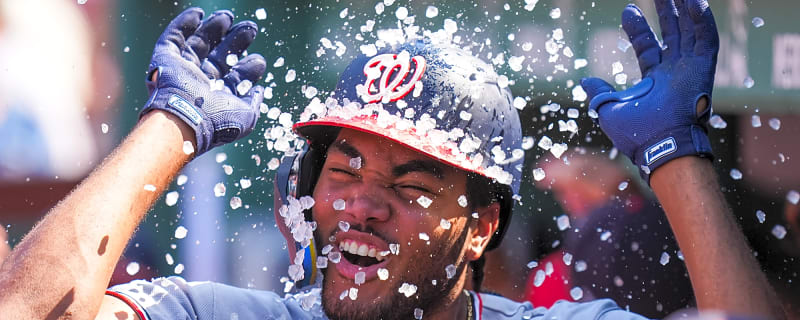
Boston Red Sox Notebook: Suspension Handed Down, and Minor League Scores
The Boston Red Sox were off last night as they head to Anaheim to start a three-game series against the Angels. They’re 14.5 games back of the Rays for the American League East.
MLB News / Yardbarker / July 3
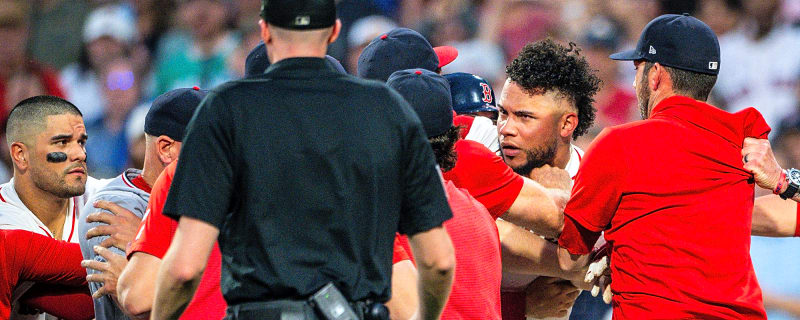
Cade Cavalli, Willson Contreras among four suspended for Red Sox-Nationals brawl
Major League Baseball announced four suspensions on Thursday for a bench-clearing incident that took place between the Boston Red Sox and Washington Nationals earlier this week.
Franklin Arias News / Blogging the Red Sox / July 1
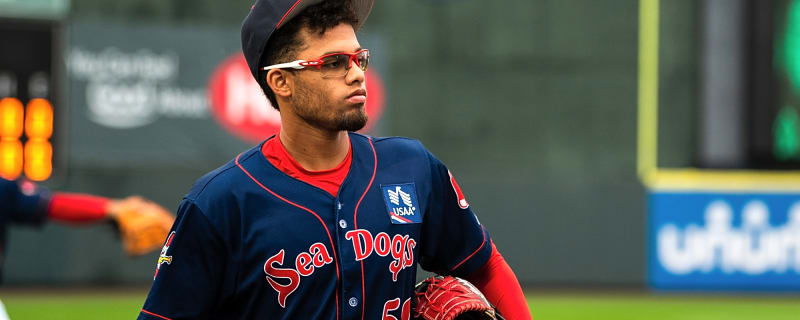
Top prospects Franklin Arias, Anthony Eyanson to represent Red Sox at All-Star Futures Game
Top Red Sox prospects Franklin Arias and Anthony Eyanson have been selected to represent the organization at the 2026 All-Star Futures Game in Philadelphia later this month, Major League Baseball announced on Wednesday.
Boston Red Sox News / Yardbarker / July 1

Red Sox starting rotation takes another loss with Connelly Early's injury
The Boston Red Sox starting rotation has seen its fair share of injuries this season, but Connelly Early's injury could be a backbreaker. Early left Tuesday's outing against the Washington Nationals after feeling discomfort in his left elbow.
Blake Wehunt News / Blogging the Red Sox / June 29
Red Sox prospect Blake Wehunt named Eastern League Pitcher of the Week
Red Sox pitching prospect Blake Wehunt has been named the Eastern League Pitcher of the week for the week of June 22-28, Minor League Baseball announced on Monday.
Boston Red Sox News / Yardbarker / June 29

Winning streak giving Red Sox fresh hope after slow start
The Boston Red Sox have been down for most of the 2026 season, but their current five-game win streak shows they're far from out.
Antonio Anderson News / Blogging the Red Sox / June 29

Red Sox prospects Dylan Brown, Antonio Anderson named South Atlantic League Pitcher and Player of the Week
Red Sox prospects Dylan Brown and Antonio Anderson have been named the South Atlantic League Pitcher and Player of the Week for the week of June 22-28, Minor League Baseball announced on Monday.
Sonny Gray News / Yardbarker / June 29
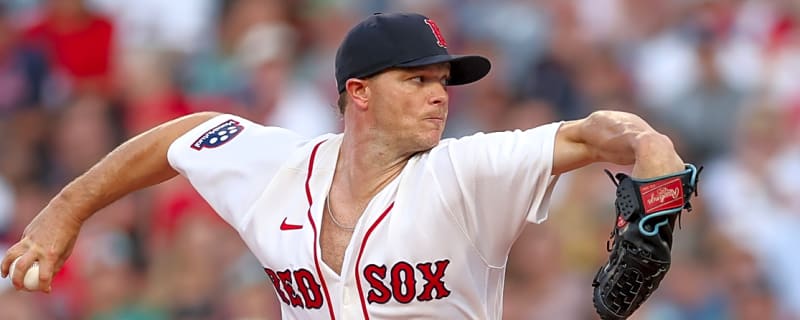
Acquiring Sonny Gray would fill a lingering need for Blue Jays
Gray has emerged as an appealing trade candidate for the Toronto Blue Jays.

Gerrit Cole News / Yardbarker / June 28

Yankees may have Gerrit Cole problem after terrible outing vs. Red Sox
New York Yankees ace Gerrit Cole started at Fenway Park in Boston for the first time since 2022 on Saturday. It wasn't a triumphant return.
Breaking News
Trending News









Customize Your Newsletter
 +
+




Get the latest news and rumors, customized to your favorite sports and teams. Emailed daily. Always free!
MY ACCOUNT
SUBSCRIBE
ADVERTISE
JOBS
FAQ
PRIVACY POLICY COOKIE POLICY CONTACT US
ABOUT YARDBARKER TERMS OF SERVICE


PRIVACY POLICY COOKIE POLICY CONTACT US
ABOUT YARDBARKER TERMS OF SERVICE
Copyright 2026 YB Media, LLC. All rights reserved.
By using this site, you agree to our Terms of Service and Privacy Policy.
This site is for entertainment purposes only.
There is no gambling offered on this site.
Gambling Problem? Call 1-800-Gambler.

By using this site, you agree to our Terms of Service and Privacy Policy.
This site is for entertainment purposes only.
There is no gambling offered on this site.
Gambling Problem? Call 1-800-Gambler.