
-

-


Follow Us
-

 On Facebook
 On Flipboard


 Free Newsletters
 On YouTube
Chicago Cubs News / Bleed Cubbie Blue / June 16
Cubs Minor League Wrap: Iowa blows by Indianopolis, 13-7 
Catcher Owen Ayers was named Southern League Player of the Week. Outfielder Josiah Hartshorn was named Midwest League Player of the Week. The Cubs acquired right-hander Yosver Zulueta from the Mariners for cash.

The 'Last cycle by MLB team' quiz
Can you name the last player to hit a single, double, triple and home run in one game for every MLB franchise? Five minutes are on the clock.
Dansby Swanson News / MLB on ClutchPoints / June 16

Why Cubs are not giving up on Dansby Swanson despite his miserable season
The Chicago Cubs have endured a challenging season. One player who has especially struggled is shortstop Dansby Swanson. While Swanson is still more than capable of making a significant impact from an offensive standpoint, the 32-year-old is currently hitting just .176/.280/.308 across 69 games played so far.
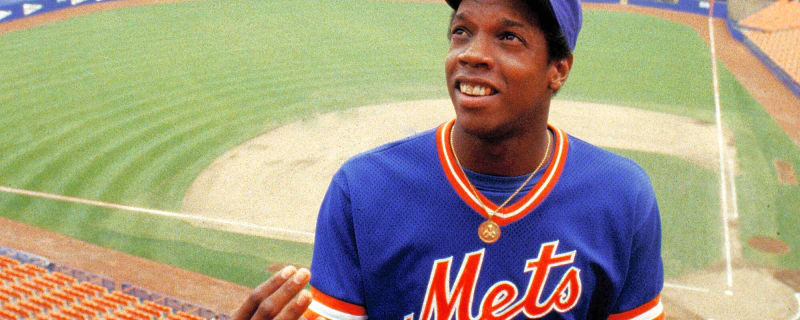
The 25 greatest rookie seasons in MLB history
Not every all-timer has instant success at the next level. For many baseball players, it takes a few bumps in the road out of the gate before they ever reach stardom.
Daniel Palencia News / ChiCitySports / June 16

Chicago Cubs place closer Daniel Palencia on 15-day injured list
The Chicago Cubs are hoping to build off of their exciting walk-off victory over the Colorado Rockies on Monday night by taking a second consecutive game on Tuesday.

Which 20 players have hit four home runs in an MLB game?
The only two things rarer in modern-day baseball than the four-homer game is the Triple Crown and the unassisted triple play. The former is, of course, done over an entire season, while there's a large level of lucky in the unassisted triple play.
Pete Crow-Armstrong News / ChiCitySports / June 16

Pete Crow-Armstrong hits for cycle in an unnecessarily wild game
Cheers, jeers, then cheers again echoed through Wrigley Field on Monday night in the Cubs’ 5-4 walkoff win over the Rockies. The main highlight was centerfielder Pete Crow-Armstrong hitting for the cycle, the 13th in Cubs history.
Justin Steele News / On Tap Sports Net / June 16

Justin Steele Injury Update: Continues Rehab Progress with Cubs, No Firm Return Date
Chicago Cubs left-hander Justin Steele is taking the next steps in his recovery from left elbow surgery and a subsequent flexor strain setback, with the team providing a relatively positive update on Monday.




Daniel Palencia News / MLB Trade Rumors / June 16

Cubs Place Daniel Palencia On IL With Elbow Inflammation
The Cubs have placed closer Daniel Palencia on the 15-day injured list with elbow inflammation. Right-hander Gavin Hollowell has been recalled to take his place on the roster.
Jed Hoyer News / ChiCitySports / June 16

Chicago Cubs: Jed Hoyer under immense pressure to address team needs, per insider
The Chicago Cubs are an open book when it comes to their primary need for what they hope to be a second-half playoff push. They need starting pitching.
Chicago Cubs News / ChiCitySports / June 16

Chicago Cubs reveal plans for injured Justin Steele and Matthew Boyd
The Chicago Cubs entered this past offseason generating belief that their starting rotation would be a strength as it pushed towards a deep playoff run.
Jaxon Wiggins News / Cubs Insider / June 16
Watch: RHP Jaxon Wiggins Starts Rehab Assignment with Arizona Complex League Cubs
The Jaxon Wiggins hype train never even got a chance to leave the station before he was shut down earlier this season with elbow inflamation. News on Wiggins status has been slow to surface, and then Rich Biesterfeld posted the video you’ll see below.
Chicago Cubs News / Bleed Cubbie Blue / June 16
2026 Cubs Heroes and Goats: Shōta Imanaga is the Superhero vs. the Rockies
This team is stupid. This season is stupid. This game makes WPA look stupid. It isn’t often that I look at a one-run deficit heading to the ninth and am pretty sure the Cubs will eventually walk the game off.
Pete Crow-Armstrong News / HITC / June 16

Pete Crow-Armstrong breaks 96-year Chicago Cubs MLB record
Pete Crow-Armstrong delivered a piece of Chicago Cubs history at Wrigley Field, hitting for the cycle in a 5-4 win over the Colorado Rockies. The Cubs center fielder became the first player at his position for the franchise since Hack Wilson, back on 23 June 1930, to complete the feat.
Chicago Cubs News / Inside The Diamonds / June 16

Chicago Cubs Notebook: Cubs Walk it off & PCA Does Something That Hasn’t Happened Since 1993 at Wrigley
The Chicago Cubs currently hold a 38-35 record after a dramatic series opener at Wrigley Field. Over the last 24 hours, the club secured its MLB-leading ninth walk-off win of the season.
Pete Crow-Armstrong News / Larry Brown Sports / June 16

Pete Crow-Armstrong spoiled his own cycle with boneheaded mistake
Pete Crow-Armstrong went from hitting for the cycle to walking back to the dugout in shame in a matter of seconds. The Chicago Cubs center fielder needed just a single to complete the cycle against the Colorado Rockies when he came up to the plate to lead off the bottom of the 7th inning Monday at Wrigley Field in Chicago, Ill.

MLB News / Yardbarker / June 15

Cubs' Pete Crow-Armstrong hits for first cycle of 2026 season
Not many hitters were hotter than Chicago Cubs superstar Pete Crow-Armstrong at the plate entering Monday.
Chicago Cubs News / Chicago Cubs on SI / June 15

Cubs vs. Rockies Lineup: Good Suzuki News, Shaw Starts, Who's at Catcher? More
The Chicago Cubs' trip out West didn't turn out nearly as productive as they hoped. To their credit, they did at least manage to win their first series since early May by taking the first two games against the Giants.

Yosver Zulueta News / HITC / June 15

The Cubs make an under the radar move that could pay dividends for the club sooner than everyone thinks
The Chicago Cubs did not acquire Yosver Zulueta expecting a finished product, and if he were one, the Seattle Mariners probably would not have moved him in the first place.
Chicago Cubs News / Inside The Diamonds / June 15
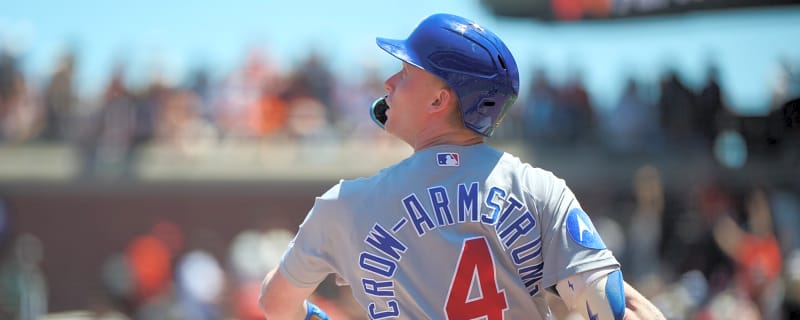
Chicago Cubs Notebook: Cubs Caught in a Webb, Crow-Armstrong Stay Hot, & Josiah Hartshorn Crushes Eighth
The Chicago Cubs currently hold a 37-35 record following a series-ending loss in San Francisco. The club was unable to complete the sweep on Sunday afternoon.
Seiya Suzuki News / Athlon Sports / June 14

Cubs Announce Seiya Suzuki News After Removal From Lineup
Seiya Suzuki has been one of the most consistent hitters in the Chicago Cubs lineup since his arrival from Japan ahead of the 2022 season. The 31-year-old is set to become a free agent after this season, currently in the final year of his five-year, $85 million contract.
Michael Busch News / Inside The Diamonds / June 14

Chicago Cubs Notebook: PCA Blast First Pitch to the Bleachers, Suzuki Exits Early, & Michael Busch Deep Dive
The Chicago Cubs currently hold a 37-34 record following a successful night in San Francisco. The club secured its first series win in the last 24 hours.
Chicago Cubs News / Total Pro Sports / June 12

Chicago Cubs Rumors: Insider Drops Trade Intel On $85 Million Star
The Chicago Cubs started out the 2026 season with a bang. They played good baseball and dominated the NL Central, but a few months down the line, they tumbled to the fourth spot and are now just one game ahead of the .500 mark.
Breaking News
Trending News









Customize Your Newsletter
 +
+




Get the latest news and rumors, customized to your favorite sports and teams. Emailed daily. Always free!
MY ACCOUNT
SUBSCRIBE
ADVERTISE
JOBS
FAQ
PRIVACY POLICY COOKIE POLICY CONTACT US
ABOUT YARDBARKER TERMS OF SERVICE


PRIVACY POLICY COOKIE POLICY CONTACT US
ABOUT YARDBARKER TERMS OF SERVICE
Copyright 2026 YB Media, LLC. All rights reserved.
By using this site, you agree to our Terms of Service and Privacy Policy.
This site is for entertainment purposes only.
There is no gambling offered on this site.
Gambling Problem? Call 1-800-Gambler.

By using this site, you agree to our Terms of Service and Privacy Policy.
This site is for entertainment purposes only.
There is no gambling offered on this site.
Gambling Problem? Call 1-800-Gambler.