
-

-


Follow Us
-

 On Facebook
 On Flipboard

 Free Newsletters
 On YouTube
Sean Rhyan News / Green Bay Packers on SI / June 29

Packers C Sean Rhyan: Position Change Changed Career for No. 14 Player in 2026
Packers On SI is counting down the Green Bay Packers’ top 25 players for the 2026 season. This series continues with our No. 14 player, center Sean Rhyan.
NFL News / Yardbarker / June 29

Lions get good news in latest offseason analysis
The Detroit Lions have a lot going on right now. They have a bevy of new draft picks who they're trying to get acclimated to the NFL life. They also have a star cornerback, Terrion Arnold, who was arrested on June 24 and is facing multiple felony charges, so there's plenty of uncertainty there.
Green Bay Packers News / Green Bay Packers on SI / June 29
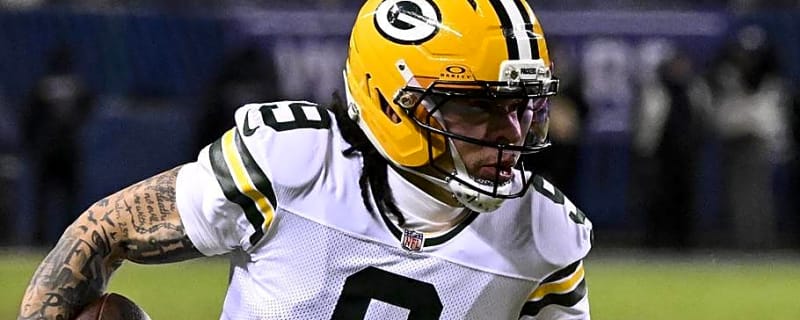
‘Pieces Are in Place’ for Packers to ‘Win It All,’ But These 6 Must Deliver
Call it the calm before the storm. Green Bay Packers training camp will begin in one month , and there are reasons to be incredibly optimistic about a team with some obvious questions.


The '100-rushing-yard NFL QBs' quiz
In the Super Bowl era (1966 to present) of the NFL, a total of 30 QBs have rushed for 100 yards or more in a regular-season game. How many of the 30 can you name in five minutes?
Green Bay Packers News / A to Z Sports / June 29

3 Packers fantasy players to target in 2026 as Green Bay’s offense presents overlooked value
It’s been hard to invest in Packers’ pass-catchers in fantasy football over the past few years, but some things may change in 2026. The Green Bay Packers offense has been a frustrating puzzle for fantasy football managers over the past few seasons.

25 first-round NFL picks that left fans confused
The NFL Draft always delivers many twists and turns that leave fans and analysts scratching their heads. This list isn't looking at hindsight and finding the biggest busts in history.
Green Bay Packers News / PackersTalk.com / June 29

The Fight to Keep the Packers in Green Bay
The Green Bay Packers are one of the most unique professional sports teams when it comes to their location and ownership structure, and since Ed Policy took over as team president in July of last year, there’s been a renewed focus on keeping it that way.
Albert Breer News / NFL on ClutchPoints / June 29
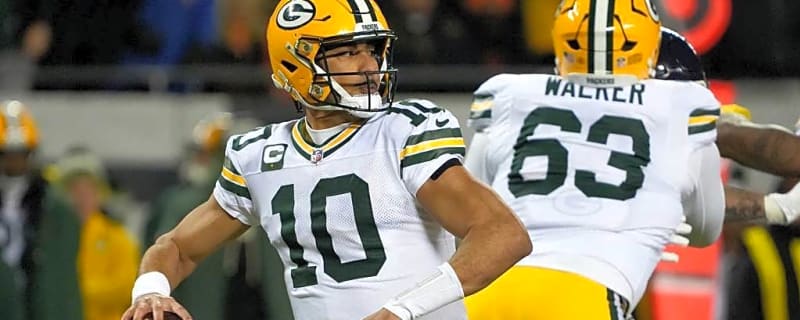
Albert Breer repeats Super Bowl expectations for Packers from last season
For the second consecutive year, Sports Illustrated’s Albert Breer is putting the Green Bay Packers in the conversation as legitimate Super Bowl contenders, and his reasoning hasn’t changed much from a season ago.
Green Bay Packers News / Green Bay Packers on SI / June 29
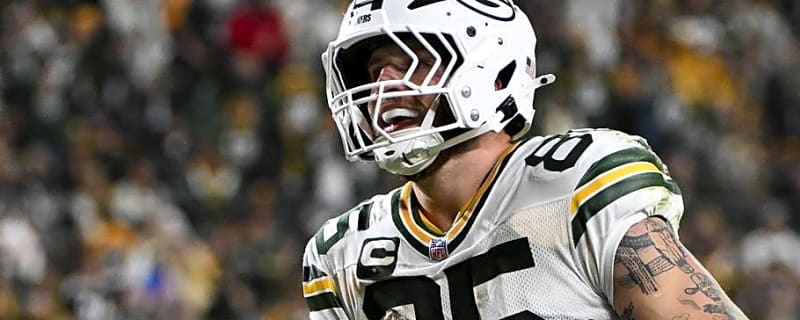
Super Bowl?!? Exactly One Month Until Packers Training Camp, Here’s Why It’s Possible
On July 29, exactly one month from today, the Green Bay Packers will hit the field for the first time during training camp. It’s easy to pinpoint the issues that could plague the team.
Green Bay Packers News / The Packers Post / June 29

Ranking the Packers Top Five Position Battles Entering Training Camp 2026
The Green Bay Packers will open training camp in one month. The team is optimistic heading into the 2026 NFL season and hopes that the return of several injured stars will help them improve after their third consecutive playoff appearance.
Green Bay Packers News / A to Z Sports / June 29

Several Packers players may have more at stake in 2026 than it initially appears because of their contracts
Some pieces all around the roster could be playing their final season in Green Bay if 2026 performance falls short. The Green Bay Packers structure contracts differently than most NFL teams.
Green Bay Packers News / PackersTalk.com / June 28
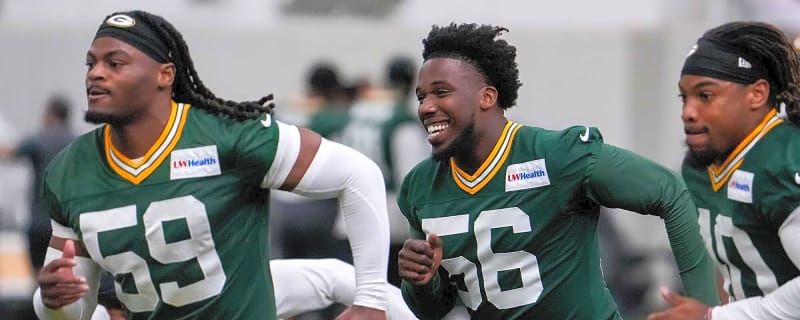
The Top 5 Packers Players You Need To Watch Now!
Training camp for the Green Bay Packers is fast approaching. But honestly, not fast enough. With a month still to go, there really isn’t a whole lot to talk about with regards to the NFL and the Packers.

25 late-round draft picks who will impact the 2026 NFL season
The early-round picks get most of the headlines, but the later rounds are where championships are often built. These 25 late-round picks from the 2026 draft have a chance to make impacts as rookies and beyond.
Green Bay Packers News / Green Bay Packers on SI / June 27

One Position Shines on Packers’ All-Time All-Undrafted Team
Pro Football Focus picked an all-undrafted team for the 2026 season. Keisean Nixon was the lone representative for the Green Bay Packers. That served as inspiration.
Jonathan Gannon News / A to Z Sports / June 27

Jonathan Gannon’s arrival gives 4 Packers defenders a golden opportunity to elevate their game in 2026
It’s a different scheme, so it’s a completely different reality for some of Green Bay’s most impactful defensive pieces. The Green Bay Packers moved on



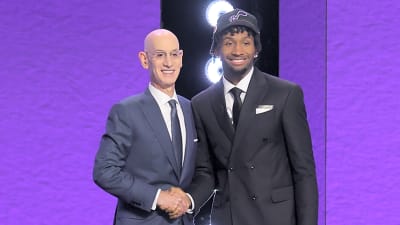

Micah Parsons News / Green Bay Packers on SI / June 27

Without Micah Parsons, There’s No Time to Rest for Packers’ Brenton Cox
With Micah Parsons’ absence expected to stretch well into October, there is one overriding question surrounding the Green Bay Packers with the start of training camp about one month away.
Jayden Reed News / Green Bay Packers on SI / June 27

Packers WR Jayden Reed: Elite 2024 Shows Why He Is No. 16 Player in 2026
Packers On SI is counting down the Green Bay Packers’ top 25 players for the 2026 season. This series continues with our No. 16 player, Jayden Reed. It’s possible the Green Bay Packers’ most underrated receiver is also their best receiver.
Green Bay Packers News / The Packers Post / June 27

Remembering John Hadl’s Best Game with the Packers
The Green Bay Packers trade for quarterback John Hadl was definitely the worst trade in franchise history and possibly the worst trade in NFL history. The Packers acquired the 34-year-old Hadl from the Los Angeles Rams midway through the 1974 season for two first-round picks, two second-round picks and a third-round selection.
Jordan Love News / Athlon Sports / June 26

The Packers' Left Tackle Battle Could Change Everything For Jordan Love
The Green Bay Packers' offensive line will have a new look as the unit prepares for the 2026 NFL season. Green Bay lost its former starter, Rasheed Walker, to the Carolina Panthers in free agency, inking a one-year, $4 million deal back in March.
NFL News / Yardbarker / June 26

Massive update on Packers' Tucker Kraft surfaces amid injury recovery
Green Bay Packers star tight end Tucker Kraft is still working to fully recover from the torn ACL he suffered in Week 9 of the 2025 season. That said, Kraft is also in a contract year.
MarShawn Lloyd News / The Packers Post / June 26

MarShawn Lloyd Has One More Chance to Prove He Can Help the Packers Offense
You have to feel for Green Bay Packers running back MarShawn Lloyd. Through his first two NFL seasons, the former USC star has seen his NFL career disrupted by a frustrating string of injuries that kept him off the field and prevented him from showing what he could do.
Green Bay Packers News / NFL on ClutchPoints / June 25

ESPN analyst can’t help but making ‘running joke’ about Packers
The Green Bay Packers have been taking part in offseason workouts recently as they gear up for the upcoming 2026 NFL season. The Packers are looking to bounce back after two straight exits in the Wild Card round of the NFL playoffs over the last couple of years.
Micah Parsons News / Total Apex Fantasy Sports / June 25

Green Bay Packers Legend Reminds Fans Of A Crucial Point About Micah Parsons
The Green Bay Packers would love to have star pass-rusher Micah Parsons back on the field as soon as possible. However, former Packers offensive lineman Bryan Bulaga believes patience is the best approach when it comes to Parsons’ recovery from a torn ACL.
Green Bay Packers News / Athlon Sports / June 25

Tucker Kraft's Return Could Make Him Jordan Love's Top Target in Green Bay
Injuries plagued the Green Bay Packers after a notable start to the 2025 NFL season, hampering the team down the stretch of the year. Star tight end Tucker Kraft was among the biggest losses.
Green Bay Packers News / Viral Sports News / June 24

Packers facing unexpected Tucker Kraft contract hurdle
Kraft, selected in the third round of the 2023 NFL Draft, has emerged as a productive performer early in his career.
Zach Tom News / Pro Football Rumors / June 24

Packers RT Zach Tom Targeting Training Camp Return
Packers right tackle Zach Tom is hoping to be fully recovered from offseason knee surgery by training camp, per ESPN’s Rob Demovsky. Tom, 27, suffered a partially torn patellar tendon in December and went under the knife shortly after the season ended.
NFL News / Yardbarker / June 20
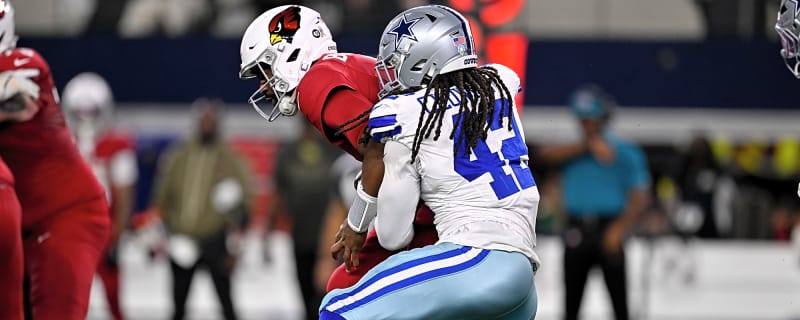
NFL executive links Packers with big-name fill-in for injured Micah Parsons
Green Bay Packers fans learned some expected news earlier this month when star pass-rusher Micah Parsons confirmed that he will miss at least the first
Breaking News
Trending News








Customize Your Newsletter
 +
+




Get the latest news and rumors, customized to your favorite sports and teams. Emailed daily. Always free!
MY ACCOUNT
SUBSCRIBE
ADVERTISE
JOBS
FAQ
PRIVACY POLICY COOKIE POLICY CONTACT US
ABOUT YARDBARKER TERMS OF SERVICE


PRIVACY POLICY COOKIE POLICY CONTACT US
ABOUT YARDBARKER TERMS OF SERVICE
Copyright 2026 YB Media, LLC. All rights reserved.
By using this site, you agree to our Terms of Service and Privacy Policy.
This site is for entertainment purposes only.
There is no gambling offered on this site.
Gambling Problem? Call 1-800-Gambler.

By using this site, you agree to our Terms of Service and Privacy Policy.
This site is for entertainment purposes only.
There is no gambling offered on this site.
Gambling Problem? Call 1-800-Gambler.