
-

-


Follow Us
-

 On Facebook
 On Flipboard

 Free Newsletters
 On YouTube
Texas Tech Red Raiders News / Yardbarker / June 17

Steelers reportedly making Brendan Sorsby moves after supplemental draft decision
Sorsby previously checked into a residential treatment program to deal with a gambling addiction.
NFL News / Yardbarker / June 17

Joe Burrow shares bold comparison for 2026 Bengals
In 2019, Joe Burrow guided the Bayou Bengals at LSU to one of the greatest national championship seasons in college football history. Heading into the 2026 season, he's seeing similarities to that squad in the Cincinnati Bengals.
New York Giants News / Yardbarker / June 17

John Harbaugh, Giants urged to fix a 'mess' before the season starts
Harbaugh still has some issues that he needs to address. You don't go from being a 4-13 team to suddenly being a contender without a major evolution.

The 'Game-winning-drives record by team' quiz
How many of the QB's with the most game-winning drives in one season for each NFL franchise can you name in five minutes?

Dallas Cowboys News / A to Z Sports / June 17
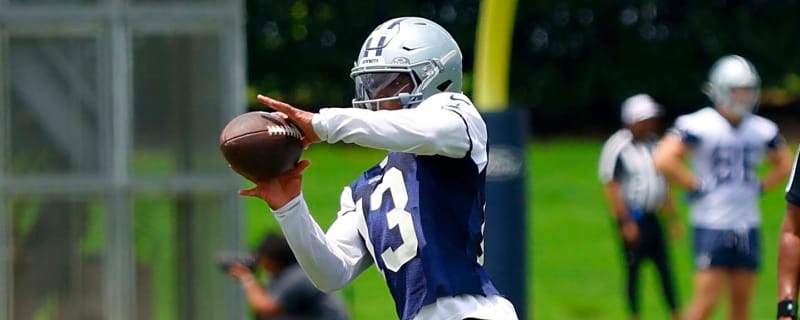
The Dallas Cowboys are refusing to make a Caleb Downs mistake, and it doesn’t sound easy at all
The Dallas Cowboys have something special in rookie safety Caleb Downs, and they know it.
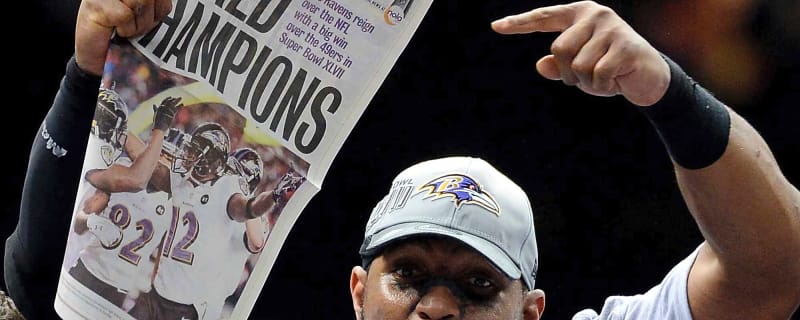
The greatest all-time linebacker in for every NFL franchise
Yardbarker's best-of NFL positional series continues with linebackers. This does not cover pure pass-rushing threats -- we will get to them -- but rather true off-ball defenders who thrived as traditional inside and outside 'backers.
NFL News / Yardbarker / June 17

The '6+ 1K-receiving-yard NFL seasons' quiz
How many of the NFL players with six or more seasons with 1,000 receiving yards can you name in six minutes?
Kansas City Chiefs News / Pro Football Rumors / June 17
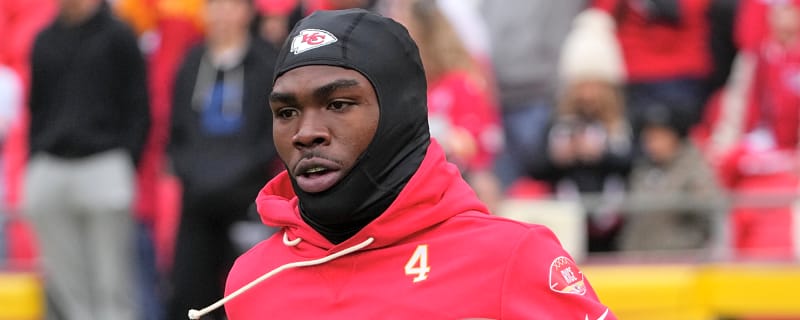
Rashee Rice got knee treatment at medical center while incarcerated as potential NFL suspension looms
Kansas City Chiefs wide receiver Rashee Rice‘s 30-day prison sentence ended Tuesday.
Texas Tech Red Raiders News / Yardbarker / June 17

This many NFL teams have reached out about Brendan Sorsby since supplemental draft decision
His stock almost certainly will be impacted by the fact that he checked into a residential treatment program to deal with a gambling addiction earlier this offseason.
NFL News / Yardbarker / June 17
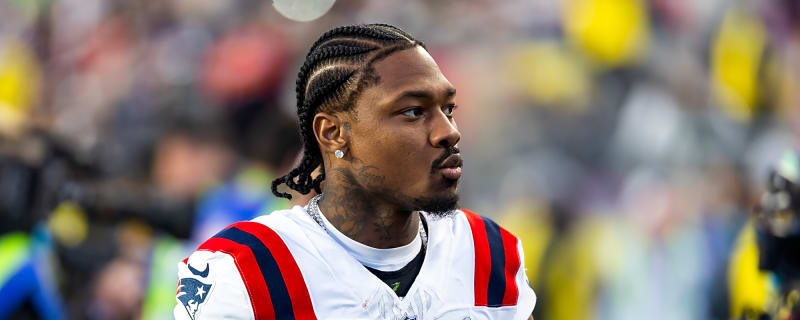
Stefon Diggs, Brandon Aiyuk get good news amid Commanders rumors
Could Diggs or Aiyuk find a resolution to their current situations sooner than later?
Dallas Cowboys News / Yardbarker / June 17

NFL insider explains how Cowboys could make bold CeeDee Lamb, George Pickens decision
What will happen with the Cowboys' two high-profile wide receivers after the 2026 season?

The way-too-early 2027 NFL first-round mock draft
With the 2026 draft in the books, teams are already looking toward 2027. Here's our way-too-early 2027 NFL mock draft, as of April 27, 2026.
Texas Tech Red Raiders News / Yardbarker / June 17

Multiple writers makes feelings on Jets, Brendan Sorsby rumors clear
The Jets are the latest team to be subjected to a round of Sorsby rumors.
Dallas Cowboys News / Yardbarker / June 17

Cowboys OC seems to make feelings about George Pickens narratives clear
Pickens will not receive a multiyear contract extension this offseason.





The 'NFL active sack leaders' quiz
How many of the NFL's active sack leaders can you name in five minutes?

New England Patriots News / Yardbarker / June 17

Patriots might still have a big Will Campbell problem to solve
Campbell's rookie season was a bit of a mixed bag, and he ultimately seemed to prove the doubters wrong.

Los Angeles Rams News / Yardbarker / June 17

Is Rams' Myles Garrett begging Aaron Donald to unretire?
Donald, who retired in March 2024, has suggested he is interested in returning to play alongside a transcendent talent in Garrett.
Texas Tech Red Raiders News / Yardbarker / June 17

Former NFL player, executive warn teams about Brendan Sorsby after supplemental draft decision
Sorsby checked into a residential treatment program to deal with a gambling addiction earlier this spring and has admitted to gambling on Indiana games, along with other sporting events, when he was with that program.
Dallas Cowboys News / Yardbarker / June 17

Cowboys hit with stern warning over George Pickens, Javonte Williams
Jerry Jones and the Dallas Cowboys are coming up on another season, and they hope this one ends up with them in the playoffs.
Texas Tech Red Raiders News / Yardbarker / June 17

Analyst shares how Brendan Sorsby is, isn't like Giants' Jaxson Dart
While Sorsby's off-field tribulations have dominated the headlines, what does the polarizing prospect offer on the field?

Denver Broncos News / Yardbarker / June 17

Why Broncos’ Bo Nix thinks history shows latest ankle injury could be a positive
While speaking with reporters on Tuesday, Denver Broncos quarterback Bo Nix suggested that he is on track to be his old self.
Tampa Bay Buccaneers News / Yardbarker / June 17

Baker Mayfield reveals why he rejected Netflix's 'Quarterback' series multiple times
Mayfield has never been one to hide who he is. It has been one of the things that makes him so polarizing within the NFL.

The 'Most 200-receiving-yard games' quiz
In NFL history, 39 players have had multiple games with 200 receiving yards. How many can you name in five minutes?
NFL News / Yardbarker / June 17
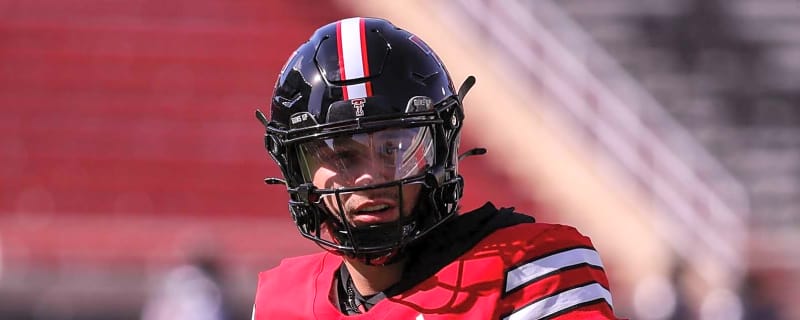
Brendan Sorsby linked with two teams that have starting QBs as Eagles chatter grows louder
The list of potential Sorsby suitors is growing.
Carolina Panthers News / Yardbarker / June 17

Panthers' Jalen Coker makes feelings on Bryce Young clear amid uncertainty
The Panthers have made no commitment to Young outside of picking up the fifth-year option for 2027 attached to his rookie contract.

Tennessee Titans News / Yardbarker / June 17

Titans' Robert Saleh dismisses big Cam Ward concern
Saleh isn't overreacting to any perceived issues in June.
Breaking News
Trending News







Customize Your Newsletter
 +
+




Get the latest news and rumors, customized to your favorite sports and teams. Emailed daily. Always free!
MY ACCOUNT
SUBSCRIBE
ADVERTISE
JOBS
FAQ
PRIVACY POLICY COOKIE POLICY CONTACT US
ABOUT YARDBARKER TERMS OF SERVICE


PRIVACY POLICY COOKIE POLICY CONTACT US
ABOUT YARDBARKER TERMS OF SERVICE
Copyright 2026 YB Media, LLC. All rights reserved.
By using this site, you agree to our Terms of Service and Privacy Policy.
This site is for entertainment purposes only.
There is no gambling offered on this site.
Gambling Problem? Call 1-800-Gambler.

By using this site, you agree to our Terms of Service and Privacy Policy.
This site is for entertainment purposes only.
There is no gambling offered on this site.
Gambling Problem? Call 1-800-Gambler.