
-

-


Follow Us
-

 On Facebook
 On Flipboard

 Free Newsletters
 On YouTube
Indianapolis Colts News / Yardbarker / May 13
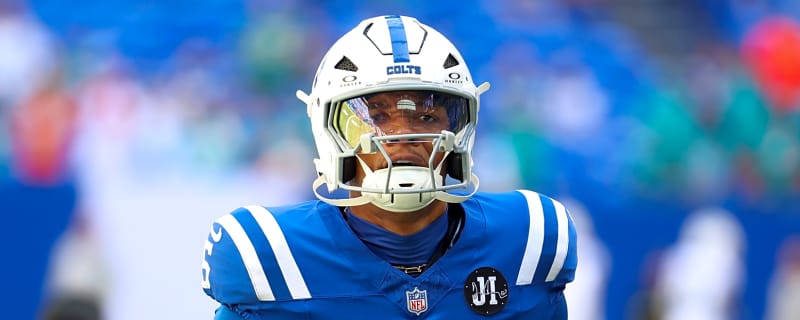
Anthony Richardson Sr. may have kept Colts from making a career-altering decision
Were the Colts close to making a significant decision on Richardson?
New York Giants News / Yardbarker / May 13

Giants second-year QB Jaxson Dart expands on offensive changes under new HC John Harbaugh
The Giants are looking to snap a three-year playoff drought.

New England Patriots News / Yardbarker / May 13
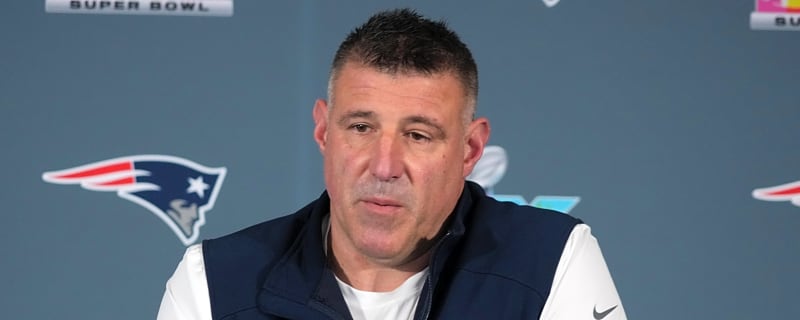
More Patriots players break silence about Mike Vrabel amid Dianna Russini controversy
Pictures surfaced of Vrabel and Russini, who are married to other people, spending time together at an Arizona resort in late March.

The 'NFL's active 1K-rushers' quiz
How many of the active NFL players who have rushed for 1,000 or more yards in a season can you name in five minutes?

Penn State Nittany Lions News / Yardbarker / May 13

Steelers want to fix this about Drew Allar after Penn State experiences
Pittsburgh head coach Mike McCarthy began working to "fix" Allar during recent rookie minicamp sessions.

The way-too-early 2027 NFL first-round mock draft
With the 2026 draft in the books, teams are already looking toward 2027. Here's our way-too-early 2027 NFL mock draft, as of April 27, 2026.
Diontae Johnson News / Steeler Nation / May 13
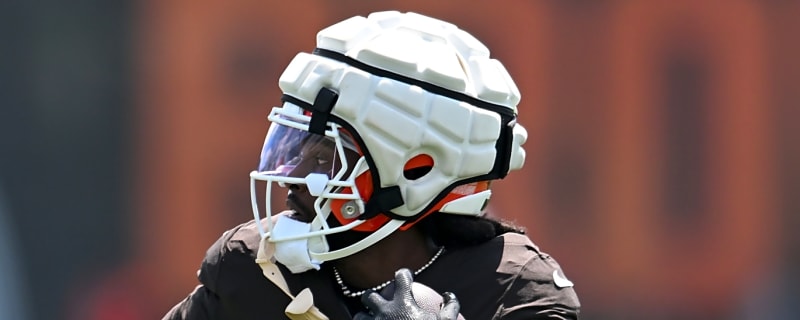
Former controversial Steelers WR bashes the fan base
Despite the great tradition in Pittsburgh when it comes to wide receiver, it has been a position of struggle for the franchise in recent years.
Arkansas Razorbacks News / Yardbarker / May 13

Browns may have a new threat to Shedeur Sanders
The Browns have all but confirmed that they're not entirely sold on Sanders.
NFL News / Yardbarker / May 13
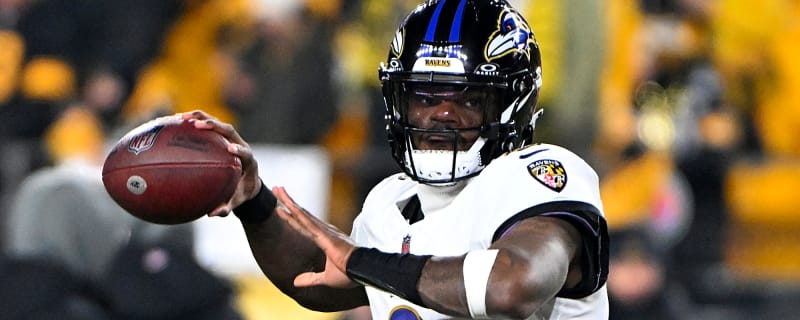
Lamar Jackson may have three realistic trade destinations
The clock is ticking, and Lamar Jackson has yet to sign an extension with the Baltimore Ravens.
New York Giants News / Yardbarker / May 13

John Harbaugh, Giants may be haunted by draft decision
Although this choice makes sense, there's something to be said for picking the best available player when your number comes around.

Philadelphia Eagles News / Yardbarker / May 13
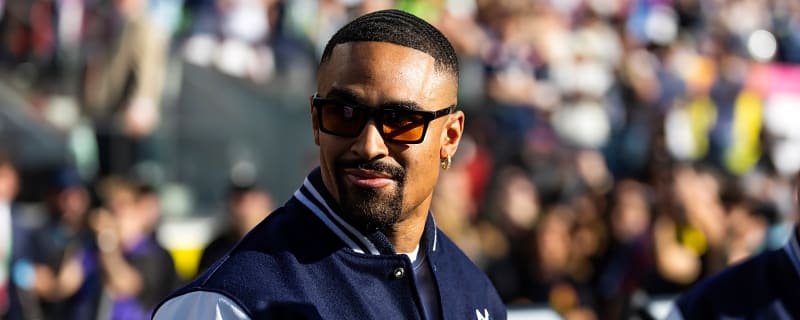
Troy Aikman makes strong statement about Eagles' Jalen Hurts after bombshell reports
Multiple reports surfaced during the ongoing offseason suggesting that Hurts was "the source of much internal frustration" for at least some people within the Eagles during the 2025 campaign.

Ohio State Buckeyes News / Yardbarker / May 13
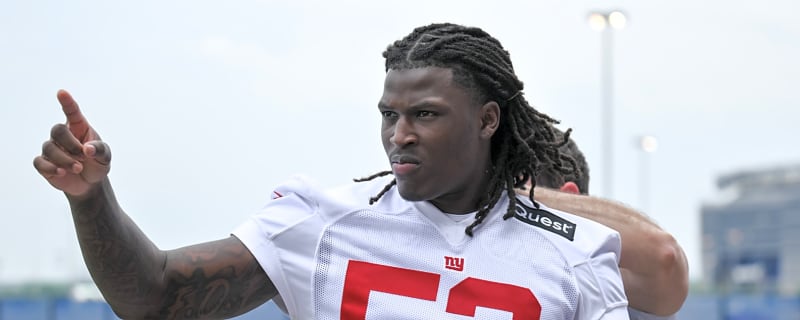
What Giants' Brian Burns already likes about rookie Arvell Reese
Shortly after the New York Giants traded defensive tackle Dexter Lawrence II to the Cincinnati Bengals for the 10th overall pick of the 2026 NFL Draft, the Giants spent the draft's fifth choice to acquire Ohio State defensive star Arvell Reese.

25 late-round draft picks who will impact the 2026 NFL season
The early-round picks get most of the headlines, but the later rounds are where championships are often built. These 25 late-round picks from the 2026 draft have a chance to make impacts as rookies and beyond.
New England Patriots News / Pro Football Rumors / May 13
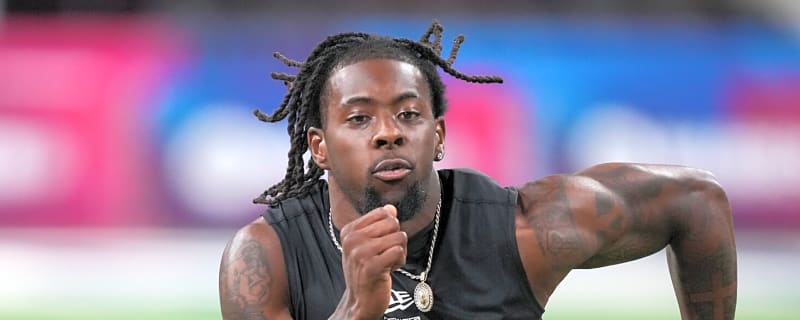
Patriots’ Quintayvious Hutchins charged with domestic assault
Patriots rookie edge defender Quintayvious Hutchins has been charged with misdemeanor domestic assault and battery on a family/household member.
New Orleans Saints News / Yardbarker / May 13
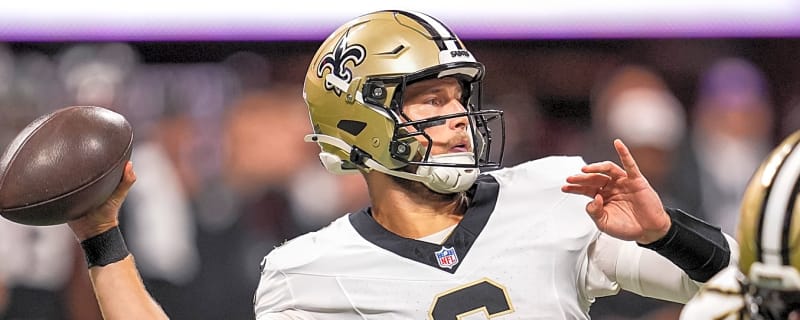
Saints' Tyler Shough has teams regretting 2025 NFL Draft decisions
While Shough is hardly a sure-thing long-term QB1 at this stage of his development, he has given those running the Saints reason to believe he could one day be viewed as the top steal of his draft class.



The 'Last first-round QB by NFL team' quiz
Can you name the last time every NFL team selected a signal-caller in the first round of the NFL Draft?
San Francisco 49ers News / Yardbarker / May 13

Insider shares concerning opinion on George Kittle's future
For years, George Kittle has been the San Francisco 49ers' YAC specialist. Are those days behind him?
NFL News / Yardbarker / May 13

Has Kevin Byard III talked with Eagles' A.J. Brown about possible trade to Patriots?
Byard has made it known he wants Brown to join him in New England. Have the former teammates spoken about a potential trade?

Pittsburgh Steelers News / Yardbarker / May 13

Possible deadline date for Aaron Rodgers' Steelers decision revealed
Last year, Rodgers didn't officially sign until right before the start of Pittsburgh's mandatory minicamp.
NFL News / Yardbarker / May 13

NFL may have accidentally tipped Chiefs' hand with Patrick Mahomes' injury
Even though he suffered an ACL and LCL tear in December, Mahomes has aggressively attacked his recovery.
Carolina Panthers News / Yardbarker / May 13

Panthers GM Dan Morgan addresses potential Bryce Young extension
Did Morgan communicate more through what he didn't say than what he did say?
Miami Dolphins News / Yardbarker / May 13

Dolphins OC Bobby Slowik sends warning to NFL defenses about Malik Willis
The Dolphins signing Willis has gone down as one of the more controversial moves made by a team this offseason due to the fact that Willis is largely an unproven commodity.
New York Giants News / Yardbarker / May 13

Brian Burns reacts to Dexter Lawrence II trade
Burns reacted to the trade that many Giants fans didn't see coming earlier this spring.
NFL News / Yardbarker / May 13
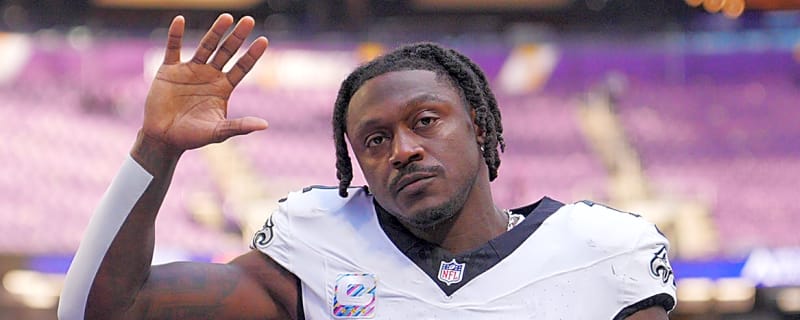
A.J. Brown linked with three teams other than the Patriots amid trade rumors
The perception exists that Brown wants to once again play for Patriots head coach Mike Vrabel, who was Brown's head coach when the two were with the Tennessee Titans from 2019 through the 2021 season.
Dallas Cowboys News / Yardbarker / May 13

George Pickens seems to send defiant message to Cowboys after Stephen Jones comments
Is Pickens sending a message with his latest actions?
Dallas Cowboys News / Yardbarker / May 12

Cowboys must fix this key issue if they want to win in 2026
The Dallas Cowboys are getting glowing grades for their decision during the 2026 NFL draft, but that doesn't mean it's a cakewalk from here on out.
Philadelphia Eagles News / Yardbarker / May 13
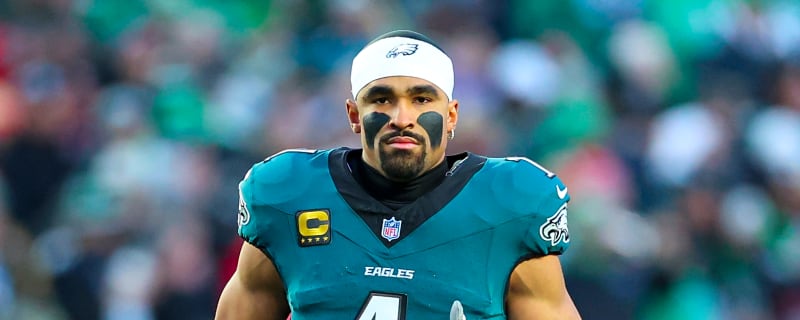
Why Eagles could make franchise-changing Jalen Hurts decision after 2026 season
Hurts speculation and slander is becoming an offseason tradition, but could the Eagles actually consider moving on from the former Super Bowl MVP?
Breaking News
Trending News





Customize Your Newsletter
 +
+



Get the latest news and rumors, customized to your favorite sports and teams. Emailed daily. Always free!
MY ACCOUNT
SUBSCRIBE
ADVERTISE
JOBS
FAQ
PRIVACY POLICY COOKIE POLICY CONTACT US
ABOUT YARDBARKER TERMS OF SERVICE


PRIVACY POLICY COOKIE POLICY CONTACT US
ABOUT YARDBARKER TERMS OF SERVICE
Copyright 2026 YB Media, LLC. All rights reserved.
By using this site, you agree to our Terms of Service and Privacy Policy.
This site is for entertainment purposes only.
There is no gambling offered on this site.
Gambling Problem? Call 1-800-Gambler.

By using this site, you agree to our Terms of Service and Privacy Policy.
This site is for entertainment purposes only.
There is no gambling offered on this site.
Gambling Problem? Call 1-800-Gambler.