
-


Follow Us

 On Facebook
 On Flipboard
 On Twitter

The winter gets loud when a franchise pillar walks out the door. Pete Alonso did, and with him went 40-homer certainty and a decade of lineup gravity. For the New York Mets, that kind of loss usually invites panic. This time, it has invited something closer to recalibration.
The Mets did not just lose Alonso. They watched Brandon Nimmo, Jose Siri, and Cedric Mullins leave as well, thinning out both the middle and the bottom of the order. That is not a small list, and it makes the idea of a quiet offseason impossible. If the Mets are going to contend in 2026, this roster still needs structure, not just sentiment.
Rebuilding the lineup without rebuilding the team
The Jorge Polanco signing is the clearest signal that the Mets are trying to stay competitive while staying flexible. Polanco is not Alonso. He is not supposed to be. What he offers instead is coverage, competence, and options.
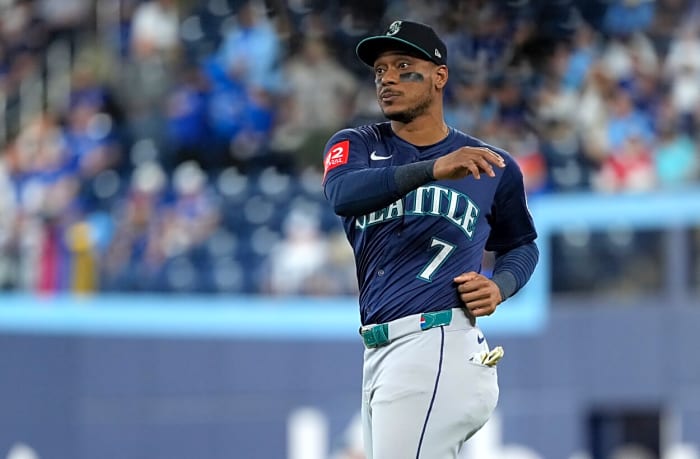
Polanco can handle first base, slide back to second, take at-bats as the designated hitter, and even fake his way through some third base if needed. That versatility matters for a Mets team that is suddenly juggling holes instead of plugging one obvious spot. Losing Alonso forces creativity, not imitation.
It also creates opportunity. Polanco gives the Mets a baseline level of offense and experience while leaving the door open for additional moves. He is a stabilizer, not a solution, and that distinction is important.
Mark Vientos and the uncomfortable middle ground
This is where Mark Vientos enters the picture, and where things get complicated. According to Pat Ragazzo, the Mets are open to trading Vientos, with Mets Batflip noting that he currently does not have a starting role. That may be technically true on paper. It is far less clear in reality.
The Mets are open to trading Mark Vientos, per @ragazzoreport
— Mets Batflip (@metsbatflip1) December 15, 2025
He currently does not have a starting role on this roster.
Get it done. pic.twitter.com/2RAtepIsrc
Vientos could still claim the DH role or first base if Polanco shifts elsewhere. Brett Baty could handle third base. There are workable configurations here. But the Mets are clearly weighing more than positional math.
Vientos followed up his 2024 breakout with a frustrating 2025. The raw power was still there, but the consistency was not. His wRC+ fell from 132 to 97. The home runs dropped from 27 to 17. For long stretches, the quality of contact disappeared, then returned, then vanished again. That kind of season sticks with decision-makers.
And yet, context matters. Vientos was better in the second half. The bat speed did not erode. The postseason memories from 2024 still exist for a reason. This is not a player the Mets are eager to dump. This is a player they are willing to discuss.

Why pitching likely decides everything
What ultimately determines Vientos’ future is not Polanco or Baty. It is pitching. The Mets need arms, both now and later, and they know it. If the front office believes it can turn Vientos into controllable pitching or high-end young talent without crippling the lineup, that conversation becomes real.
If not, Vientos likely stays, slides into a corner role, and tries to reassert himself. The Mets do not need him to be Alonso. They need him to be dependable.
This offseason is no longer about replacing stars one-for-one. It is about reshaping a roster that lost several familiar names at once. The New York Mets are still shopping. They are still evaluating. And they are still deciding how much patience they can afford.
The noise around Vientos says less about his talent and more about where the Mets believe their next competitive edge will come from. That answer, as usual, will likely be found on the mound.
More must-reads:
- Merrill Kelly opts to return to Diamondbacks after a half season with Rangers
- Yankees’ fatal flaw is becoming irreparable as slow offseason wears on
- The 'AL and NL MVPs since 2000' quiz
Breaking News
Trending News







Customize Your Newsletter
 +
+




Get the latest news and rumors, customized to your favorite sports and teams. Emailed daily. Always free!
PRIVACY POLICY EDITORIAL POLICY CONTACT US
ABOUT YARDBARKER TERMS OF SERVICE


Use of this website (including any and all parts and
components) constitutes your acceptance of these
Terms of Service and Privacy Policy.
This site is for entertainment purposes only.
There is no gambling offered on this site.
Gambling Problem? Call 1-800-Gambler.
