Not every all-timer has instant success at the next level. For many baseball players, it takes a few bumps in the road out of the gate before they ever reach stardom. For others, it happens instantaneously.
Here's a look at some of the most legendary debut seasons in the MLB.
Photo by Hulton Archive/Getty Images
How can we not start the list with the man whose namesake lends itself to the trophy given out to the Rookie of the Year? Robinson’s impact on the game is beyond anything a box score could show. What he achieved while enduring death threats and mistreatment in breaking down the color barrier remains astonishing to this day. In 1947, he took home the first-ever Rookie of the Year award after leading the NL in steals and finishing fifth in MVP voting. The league named the award after him in 1987.
Malcolm Emmons-Imagn Images
Not only was Lynn the top rookie in Boston in 1975, but he also took home the AL MVP, making him the first newcomer to win both. Oh, and he won a Gold Glove. The quintessential perfect season saw Lynn lead the league in doubles and slugging, while posting a .331 average and eclipsing 100 runs and 100 RBI. It took 26 years for another player to achieve what he did in winning both Rookie of the Year and MVP.
3 of 25
Ichiro Suzuku, 2001
Tom Szczerbowski-Imagn Images
The only other player to win Rookie of the Year and MVP in the same season, alongside Fred Lynn, Ichiro’s debut remains otherworldly. His arrival in Seattle was one for the history books as he led MLB in average, hits, and stolen bases. He also took home both a Gold Glove and Silver Slugger in his first season. In the midst of the steroid era, Ichiro proved that small ball and speed still had a place in the game.
Gary A. Vasquez-Imagn Images
If not for Miguel Cabrera's remarkable Triple Crown campaign, Trout very well could have also taken home MVP honors. Instead, he took home Rookie of the Year while finishing runner-up as the league's best player in his first season. He batted .326 with a league-leading 129 runs and 49 steals. The New Jersey native also belted 30 homers, which aided in his Silver Slugger pursuit as a rookie. That threshold for stolen bases and home runs in a single season was one no player had ever achieved before his arrival.
Kim Klement-Imagn Images
Looking back, it's not all that surprising that this giant of a human made such a massive impact the minute he stepped onto a major league field. He became the first rookie to mash 50-plus homers as he finished with a rookie-record 52 in 2017, surpassing a mark once held by Mark McGwire. His name topped the charts in numerous categories, including homers, runs, and walks. The latter showcases just how impressive he was as a first-year player with veteran discipline.
Photo by Bernstein Associates/Getty Images
There have been some historic rookie seasons, but none have transcended the sport to become a cultural phenomenon like "Fernandomania" did. Hailing from Mexico, Valenzuela took no time adjusting to the majors, beginning his career 8-0 with five shutouts in that span. He rode an unhittable screwball that not only led to him racking up a league-best 180 strikeouts and eight shutouts, but also the Rookie of the Year and the Cy Young. To this date, no first-year pitcher has ever won both major awards.
Andy Marlin-Imagn Images
A couple of years after Aaron Judge set the record for most home runs by a rookie, another New York slugger one-upped him. Alonso immediately stepped into the Mets' lineup and owned his power-slugging role with a record-setting 53 in his first season. His 120 RBI also topped the charts for rookies, signifying that Alonso had, arguably, the greatest power season by any rookie. If there is any doubt, look no further than his performance in that season's Home Run Derby, which saw him dominate that All-Star event.
Charles LeClaire-Imagn Images
Everyone knew Skenes' name before he officially stepped onto an MLB mound. That meant he entered with tremendous expectations, which he somehow shattered in his first season. Skenes became the first rookie pitcher to start an All-Star Game since 1995 and finished third in Cy Young voting. He went 11-3 with a 1.96 ERA, the lowest ERA by a rookie with 20 or more starts since 1920. The No. 1 overall pick was simply dominant from the jump, striking out at least seven batters in 14 of his first 21 outings.
Geoff Burke-Imagn Images
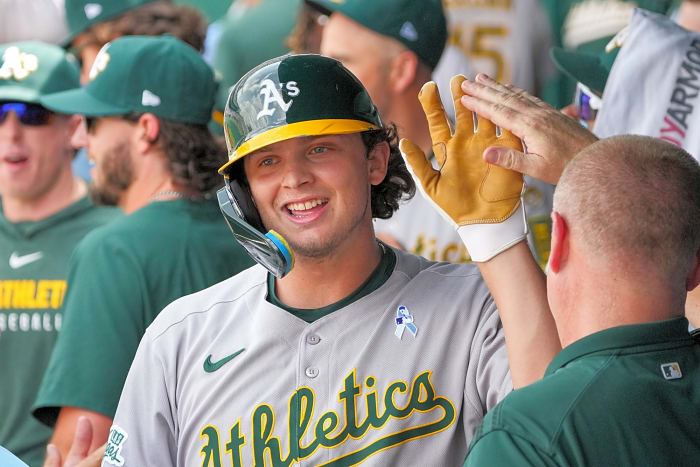
The left-handed slugger was called up to The Show in June and quickly made his presence known, becoming the unanimous Rookie of the Year. His season was highlighted by efficiency with a .313 average while delivering rare power at such an early stage in a player's career. His 51 RBI through 45 games set a rookie record, while his 27 homers in just 87 games set a Houston record. The designated hitter finished with a rookie-record 1.067 OPS.
RVR Photos-Imagn Images
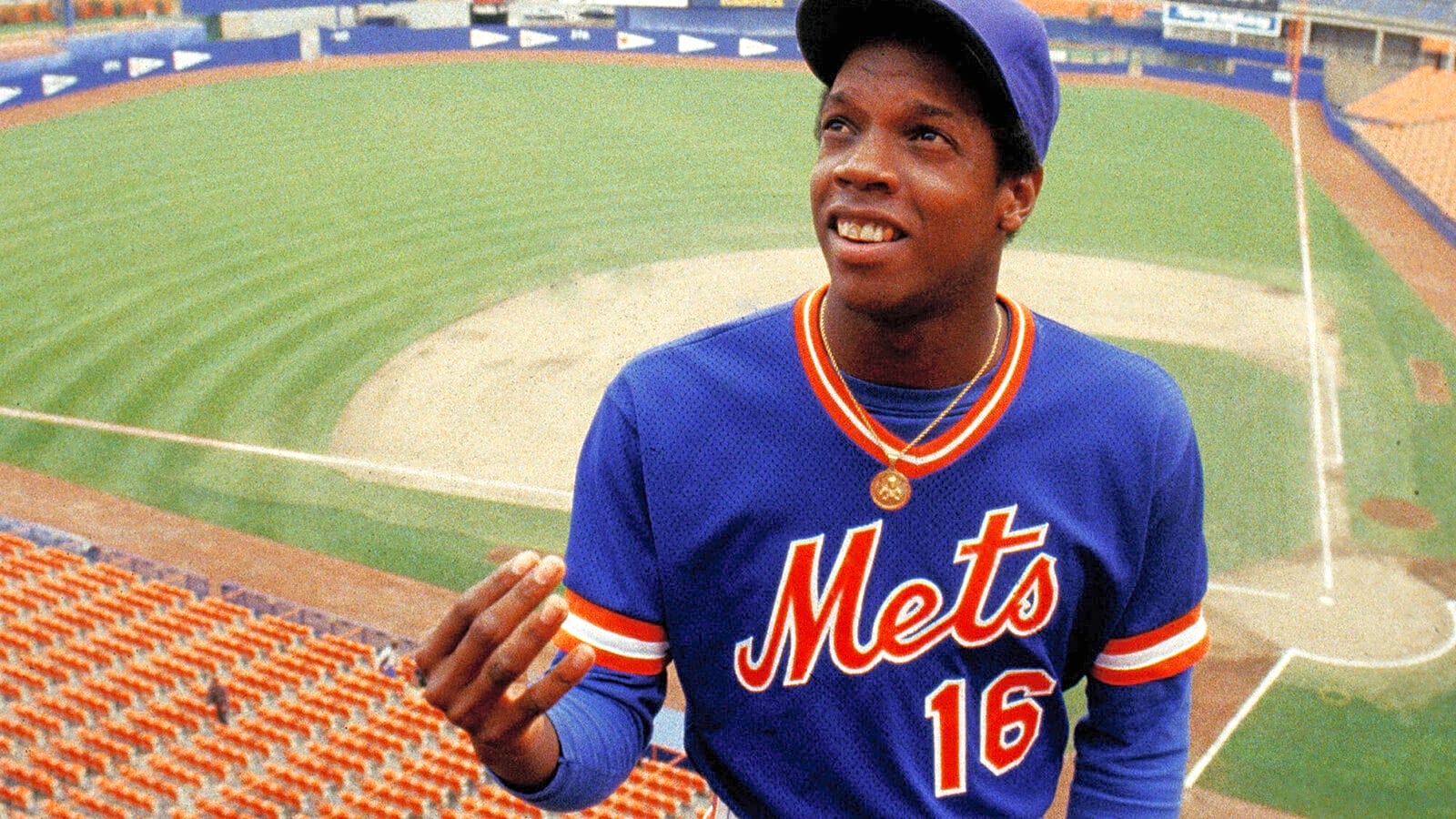
Gooden was so close to joining rare air when he finished second in Cy Young voting as a rookie. The NL's best rookie in 1984 racked up a league-high 276 strikeouts, along with a 17-9 record and a 2.60 ERA. He became the youngest All-Star selection at just 19 years old. His debut was so good, yet it's one that often gets overlooked in his career because he followed it up with a pitching Triple Crown campaign as a sophomore.
Joe Rondone/The Republic / USA TODAY NETWORK
Carroll's milestone rookie campaign wasn't just historical because he was a unanimous Rookie of the Year selection. He became the first rookie to ever hit 25 homers and steal 50 bags. His elite combination of speed and power revitalized the Arizona organization so much so that the team went on to have one of the most surprising World Series runs in the modern era.
12 of 25
Mark McGwire, 1987
RVR Photos-Imagn Images
Before McGwire, the home run bar for rookie hitters was 38. McGwire saw that number and raised it by 11 when he mashed 49, a rookie record that would stand pat until Aaron Judge entered the league 30 years later. He also led all of baseball in slugging while tying Andre Dawson for most homers across MLB. What made this season so special was how quickly his power was on display, becoming the first rookie to ever have 30 home runs before the All-Star break.
13 of 25
Mark Fidrych, 1976
Photo by Herb Scharfman/Sports Imagery/Getty Image
The Bird took flight immediately in 1976. Over 29 starts, he tossed 24 complete games, racked up an impressive 19-9 record, and pitched to a league-leading 2.34 ERA. If not for a historical season from Jim Palmer, he would have also taken home Cy Young. Instead, he settled for a Rookie of the Year trophy. Fidrych also started the All-Star Game for the AL, becoming just the second rookie ever at the time to achieve that honor.
14 of 25
Nick Kurtz, 2025
Denny Medley-Imagn Images
The Wake Forest product burst onto the scene by becoming one of the game's best longball hitters. He whacked 36 homers with 86 RBI and slugged .619 en route to being the unanimous AL Rookie of the Year winner. His historical season reached its pinnacle on July 25 when he hit none, one, two, or three, but four dingers against Houston.
15 of 25
Tony Oliva, 1964
Photo by Focus on Sport/Getty Images
The Cuban import was electric in 1964. While it looked like he would throw his back with every swing, it worked for Oliva, who became the first Rookie of the Year winner to ever win the AL batting title with a .323 average. Not only that, but he also led the league in runs, total bases, and extra-base hits. His debut season was remarkable and one that will never lose its place in history.
Malcolm Emmons-Imagn Images
Before Fisk, no AL player had ever unanimously won the Rookie of the Year award. The path to achieving that came by way of a .293 average with 22 homers, 66 RBI, and 28 doubles. What made his story even more special was that he was buried in the depth chart until injuries to those in front of him allowed him an opportunity. His impressive debut also saw him take home a Gold Glove and finish fourth in MVP voting.
17 of 25
Mike Piazza, 1993
RVR Photos-Imagn Images
A 62nd-round pick, Piazza redefined what a late-round steal was. He starred as a catcher and provided some serious power from a position not often known for having that type of swing. Piazza, who earned All-Star and Silver Slugger recognition in his first season, set rookie records for the position with 35 homers and 118 RBI. The 2016 Hall of Fame inductee brought new life to the position, even earning MVP votes as a rookie.
RVR Photos-Imagn Images
As a leadoff hitter, Garciaparra gave Boston more than it could have bargained for. He not only hit over .300, but he also demonstrated some serious pop with 30 homers, 98 RBI, and 44 doubles. His impact at the top of the order rewired how many future managers would view the spot in the lineup. In his first season, he led the AL in hits and triples, which helped earn him some MVP votes.
19 of 25
Frank Robinson, 1956
Getty/Bettman
The eventual Hall of Famer didn't take long to acclimate himself to the big leagues. Robinson blasted 38 homers (which tied the rookie record), 83 RBI, and slugged .558 in his first season. He was even the NL All-Star starting left fielder that season. It was clear early on that Robinson would have MVP potential, a feat he would achieve in both the NL and AL later on in his illustrious career.
RVR Photos-Imagn Images
The Captain knew nothing but winning, doing so right out of the gate. Jeter's .314 average over his first 157 games not only earned him a unanimous Rookie of the Year trophy, but it also helped propel the Yankees to the postseason and an eventual World Series. It was during that title run where Jeter flashed his clutch gene, batting .361 in his playoff debut.
Photo by Louis Requena/MLB via Getty Images
Don't let the New York Mets disastrous season distract you from just how good Seaver was in his Rookie of the Year campaign. While the team lost 101 games, Seaver set franchise records for wins, complete games, strikeouts, and ERA that season, earning his way onto the All-Star team and quickly placing himself in Cy Young contention.
RVR Photos-Imagn Images
Ripken's April was a disaster as he was just hitting over .100 and appeared out of his depth. Then things turned around in May with a .316 average. The rest was history for the future Hall of Famer. Ripken Jr. knocked in 93 runs, scored 90 runs himself, and belted 47 doubles and 28 homers in 1982.
23 of 25
Hideo Nomo, 1995
RVR Photos-Imagn Images
Nomomania was a real thing in the mid 90s. After becoming the first Japanese player to permanently move to the MLB, Nomo quickly asserted himself with his quirky windup that baffled hitters. He outdueled Chipper Jones for the NL Rookie of the Year award and even started the All-Star Game. He led all of baseball with a .182 opponent average, thanks in large part to his league-leading 236 strikeouts.
Steven Bisig-Imagn Images
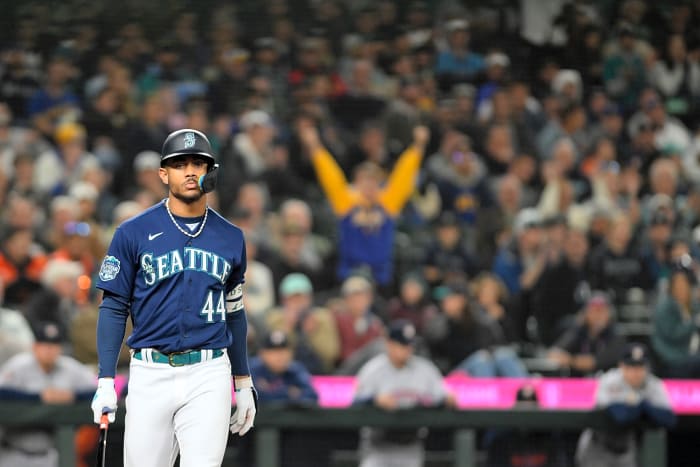
The Mariners' aspirations changed on a dime when J-Rod arrived at The Show. The outfielder received all but one vote for AL Rookie of the Year after making the All-Star team and putting on a show in the Home Run Derby with 81 dingers across three rounds. His arrival coincided with the Mariners reaching the postseason for the first time in two decades.
Jon Durr-Imagn Images
Before the Dodgers became the modern-day dynasty of the 2020s, the team had the No. 1 prospect in all of baseball debut in 2016. Seager instantly emerged as one of the best hitters in the game with a .308 average in his first season while producing the most doubles and hits for any LA rookie. Behind 26 homers, 72 RBI, and 105 runs, Seager was not only the best rookie that season, but he was also an All-Star, a Silver Slugger winner, and finished third in MVP voting.





 On Facebook
 On Flipboard








 +
+






