x
20 NBA players who changed how the game is played
Cary Edmondson/IMAGN

20 NBA players who changed how the game is played

Basketball has changed so, so much since it was first played in the late 1800s. The NBA has a lot to do with this, and there are even a handful of players who can be credited with influencing significant shifts on their own. These are some of the league's most influential players in that regard.
 
1 of 20

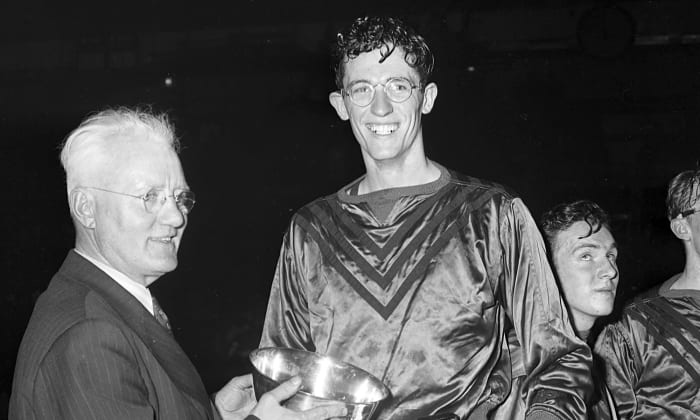
George Mikan

George Mikan
NY Daily News/Getty

Few players can say their excellence changed what the NBA court looks like. In 1951, the NBA widened the free-throw lane from 6 feet to 12, to keep big men away from the basket; Mikan was so dominant at the time that the rule was nicknamed "The Mikan Rule."

 
2 of 20

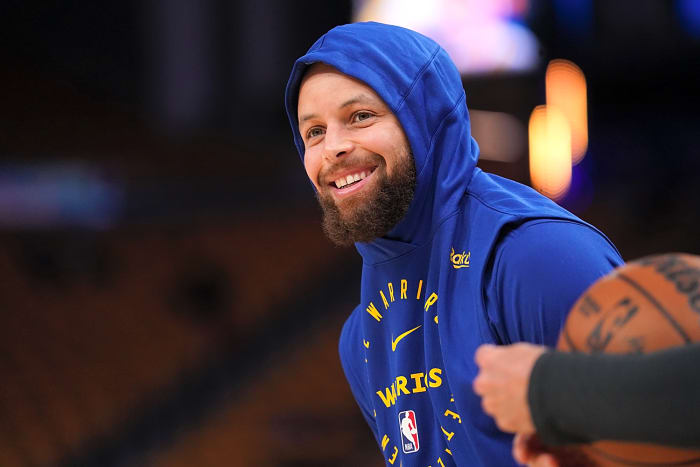
Stephen Curry

Stephen Curry
Cary Edmondson/Imagn

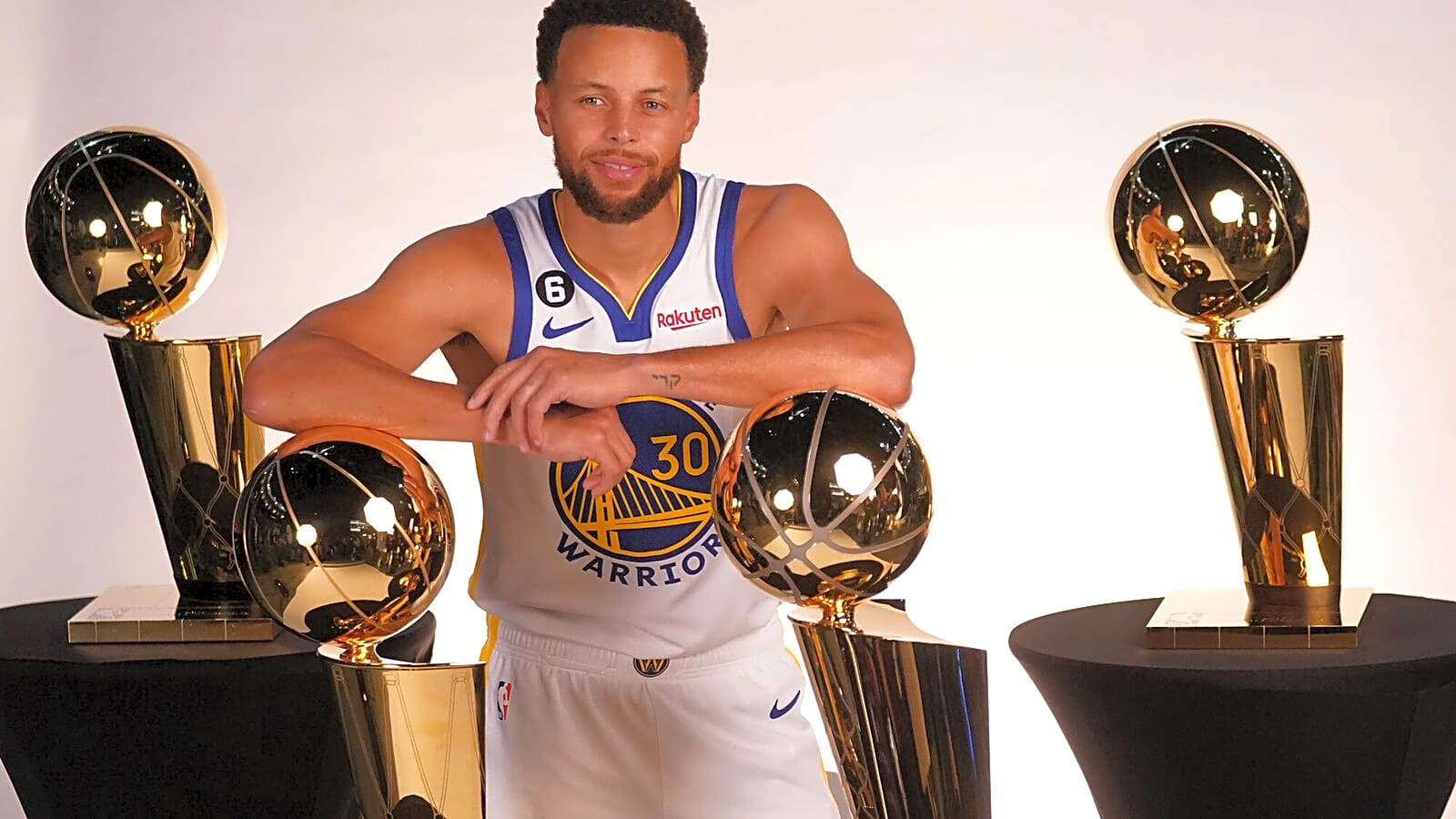
Curry forever changed spacing in the NBA, due to both the volume and distance of his three-point shooting. In the 2016 season, he led the league with 11.2 three-point attempts per game, while the next-closest player, Damian Lillard, had just 8.1. Curry powered a new franchise in Golden State, though, and the rest of the league followed with increased three-point rates.

 
Wilt Chamberlain
Malcolm Emmons/Imagn

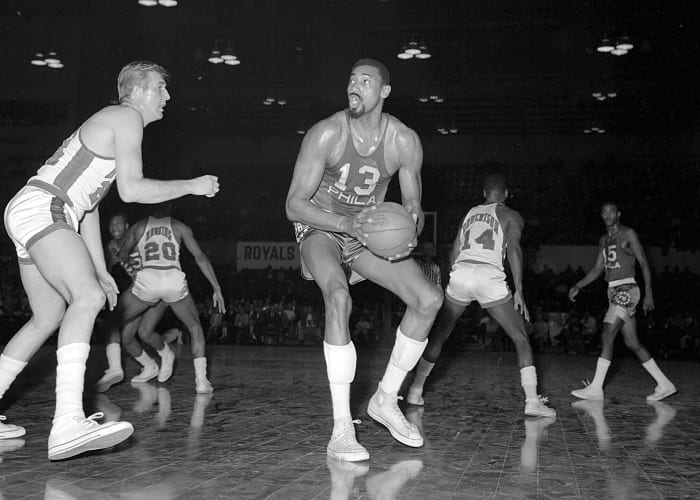
Wilt was so physically dominant that he forced the NBA to change multiple rules. The lane was widened to 16 feet, up from 12. He also caused over-the-backboard inbound passes to be banned. Chamberlain was ahead of his time, and he made basketball catch up.

 
4 of 20

Michael Jordan

Michael Jordan
USA TODAY Sports/Imagn

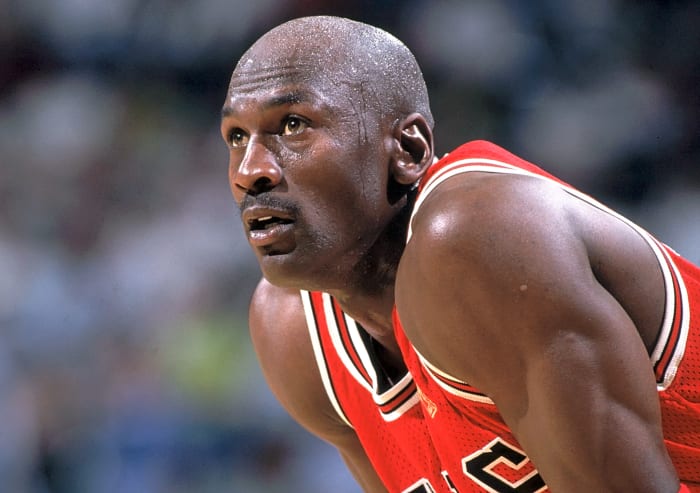
MJ dominated the league thanks to his one-on-one abilities. He was so far above the rest of the field that, in 1987, the NBA introduced an "illegal offense" rule, which essentially forbade teams from clearing out the lane to let players play in isolation. On a different level of influence, look at the feet of current NBA players, and a lot of them are wearing Jordan sneakers.

 
5 of 20

Magic Johnson

Magic Johnson
MPS/Imagn

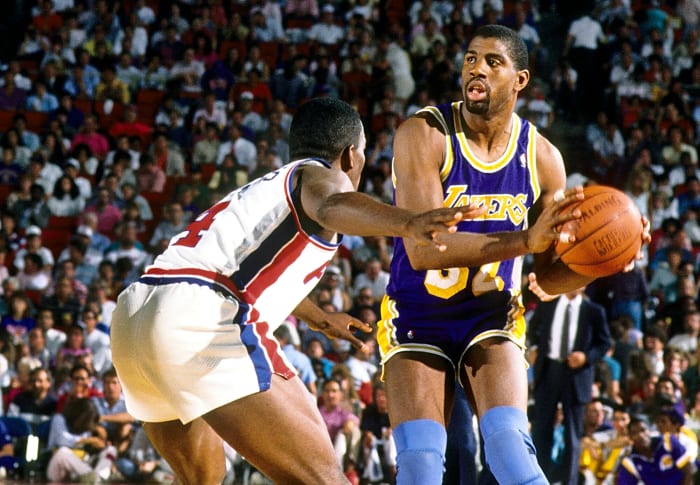
Modern NBA basketball is more positionless than ever before. Way back in the '80s, though, Magic challenged positional norms as a 6'9" point guard who could even step into the center position if needed. Magic paved the way for the contemporary game, where taller players more frequently serve as floor generals.

 
6 of 20

Bill Russell

Bill Russell
Malcolm Emmons/Imagn

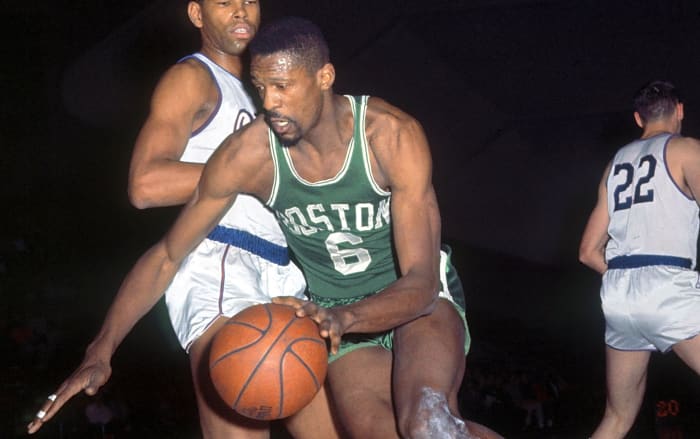
Russell is the ultimate example of the mantra "defense wins championships." He won 11 of them in his 13 NBA seasons, and he typically wasn't Boston's primary offensive option. Instead, Russell demonstrated the value of a roster built around rebounding and defense.

 
7 of 20

Shaquille O'Neal

Shaquille O'Neal
USA TODAY Sports/Imagn

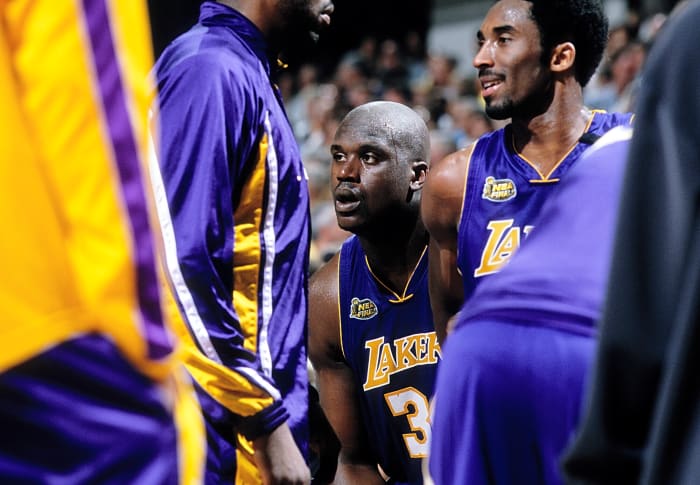
Teams were desperate to slow Shaq down in the '90s and 2000s. He was so physically unstoppable that teams had to build rosters around attempting to limit his impact. When all else failed, there was the "hack-a-Shaq" route, sending him to the free-throw line to exploit his subpar foul shooting.

 
8 of 20

Kareem Abdul-Jabbar

Kareem Abdul-Jabbar
Malcolm Emmons/Imagn

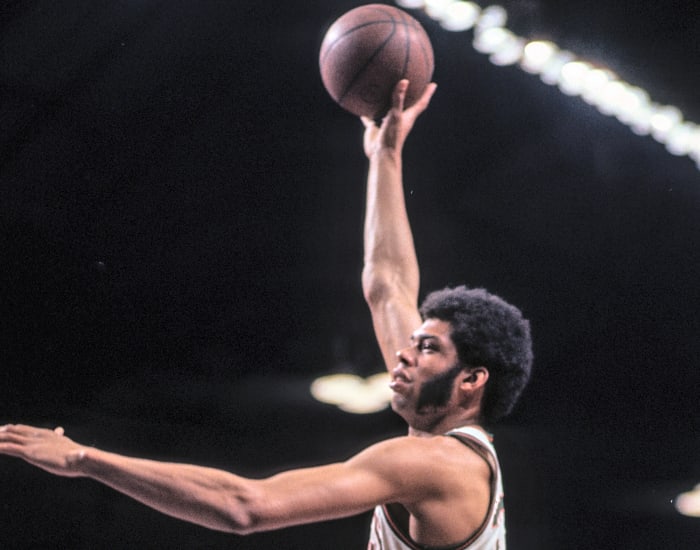
Kareem's skyhook was untouchable. Nobody could really replicate it at his level, but it did validate the viability of a skill-based post-centric offense. These attributes helped him play into his 40s, providing a roadmap for players chasing longevity in the league.

 
9 of 20

James Harden

James Harden
Erik Williams/Imagn

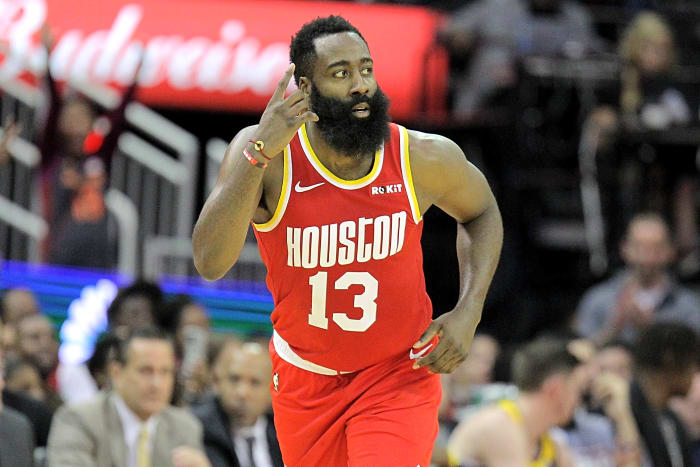
Harden, as one of the NBA's all-time leaders in career points, is one of the best players ever. There's also frustration surrounding how he scores some of his points, though, coming by them with foul-baiting tactics. It was so prevalent that in 2017, the league introduced new rules aiming to curb the behavior.

 
10 of 20

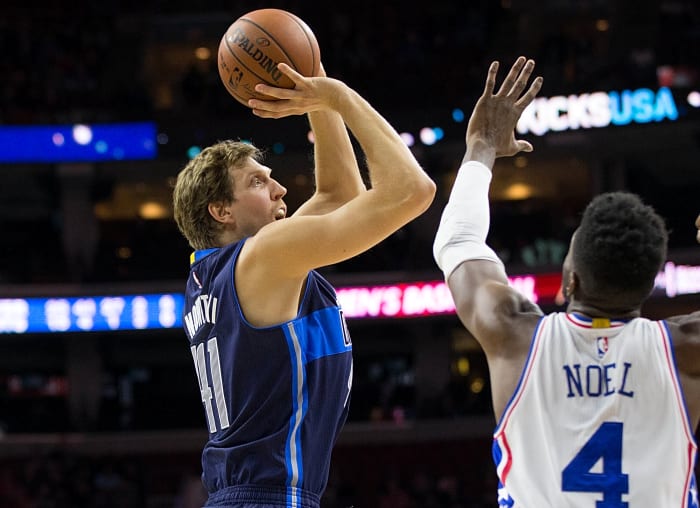
Dirk Nowitzki

Dirk Nowitzki
Bill Streicher/Imagn

Before Dirk, there were big men who could shoot, but none of them could do so with the volume, consistency, and range of Nowitzki. His one-legged fadeaway was a way for him to take advantage of his size in lieu of quickness. Dirk was essentially a prototype for the wave of stretch bigs that followed.

 
11 of 20

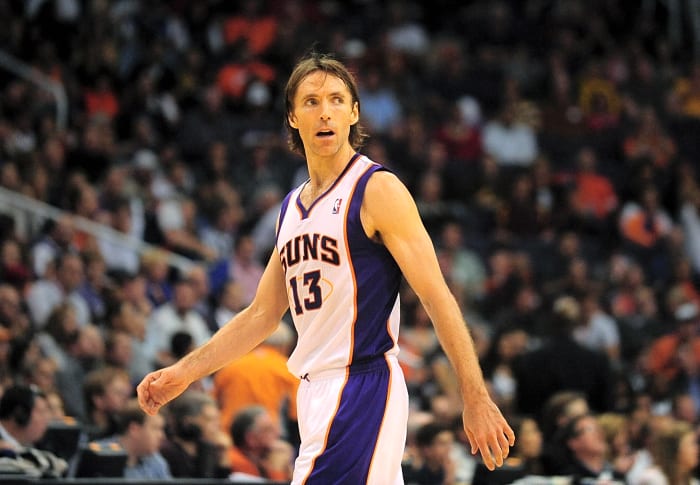
Steve Nash

Steve Nash
Jennifer Stewart/Imagn

Before Nash's Suns, NBA basketball was played at a speed that doesn't compare to the modern game. The "pace-and-space" Suns, though, changed that, prioritizing uptempo offenses that remained efficient despite the increased volume. Instead of an isolation-heavy game, it demonstrated that team basketball was a winning formula.

 
12 of 20

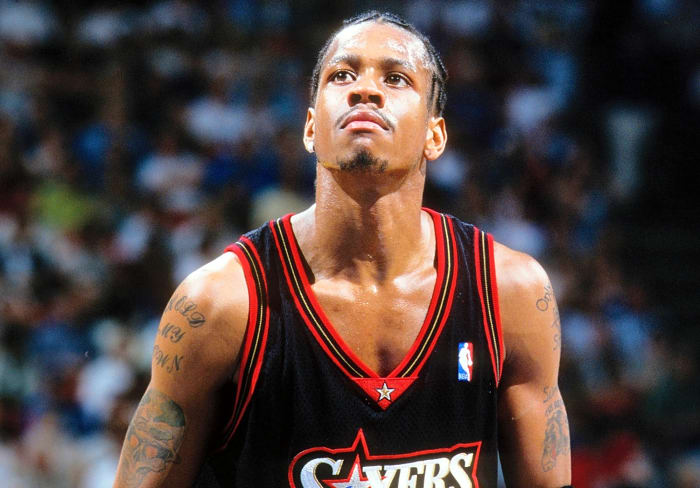
Allen Iverson

Allen Iverson
USA TODAY Sports/Imagn

Despite being relatively short by NBA standards, Iverson was one of the premier scorers. His ball-handling was a core part of this, but the league apparently felt that some of his crossover dribbles were illegal. So, there was a stretch where the carrying rule was more strongly enforced.

 
13 of 20

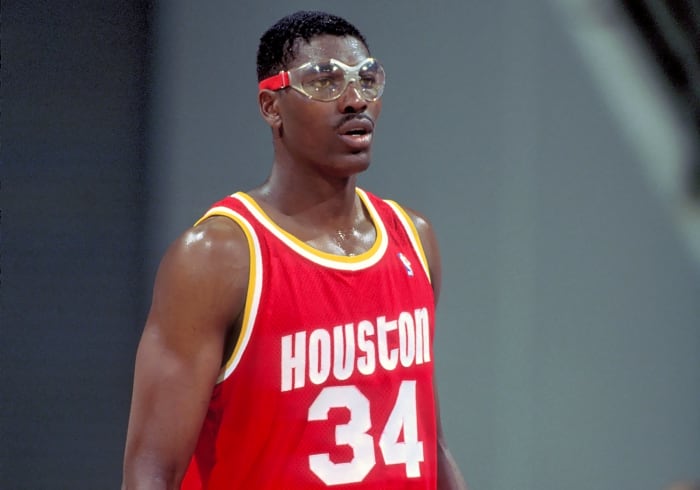
Hakeem Olajuwon

Hakeem Olajuwon
USA TODAY Sports/Imagn

Olajuwon is regularly praised for having some of the best post footwork in the history of the league. He was one of the best two-way bigs to ever play the game, which inspired generations of players who followed him. To this day, it's not uncommon to see videos of modern players training with Hakeem during the offseason.

 
14 of 20

Bruce Bowen

Bruce Bowen
G Fiume/Getty

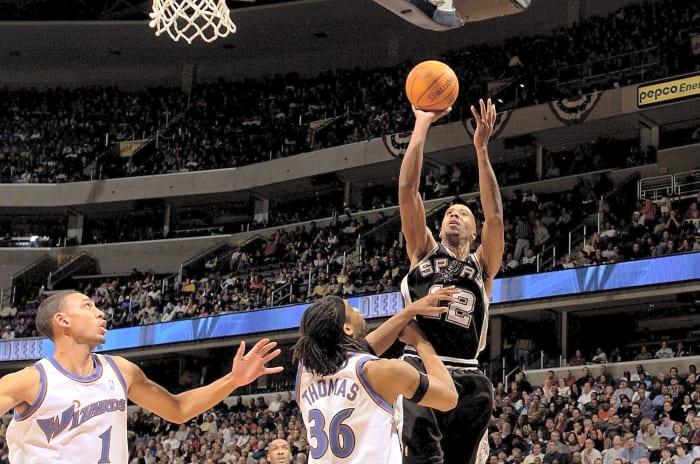
Bowen was a hard-nosed defender, although some of his techniques were controversial. Among them was crowding a shooter to the point that they would regularly land on his foot and potentially sustain an ankle injury. In response, the league updated its rules to protect offensive players' landing space.

 
Giannis Antetokounmpo
Trevor Ruszkowski/Imagn

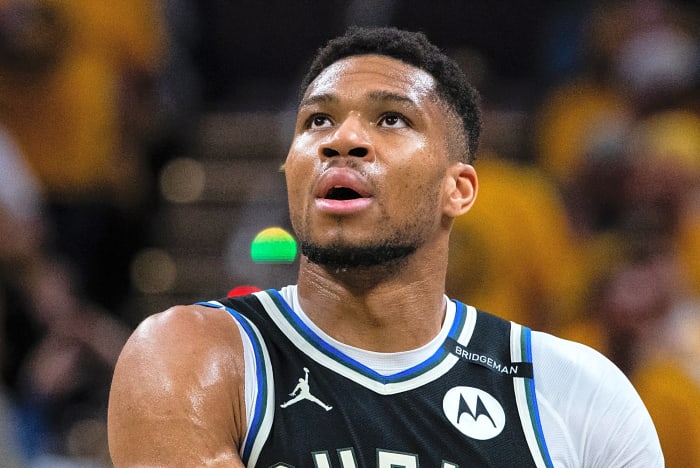
Giannis is one of the contemporary NBA's best examples of a positionless player. His long strides when navigating towards the basket also introduced a new frontier in offense: prioritizing the horizontal space covered after picking up a dribble. His raw physicality turning into game-defining skill also influenced how teams evaluate physical potential.

 
16 of 20

Reggie Miller

Reggie Miller
USA TODAY Sports/Imagn

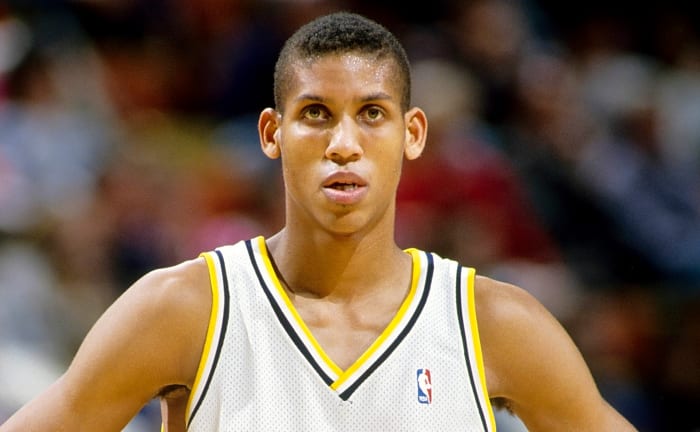
Miller's shooting was prolific, but there was a quirk to it. He would regularly kick his leg out in an effort to draw contact and bait defenders into fouls. Eventually, the league shifted and changed the rules so this would be considered an offensive foul.

 
17 of 20

Kobe Bryant

Kobe Bryant
Kyle Terada/Imagn

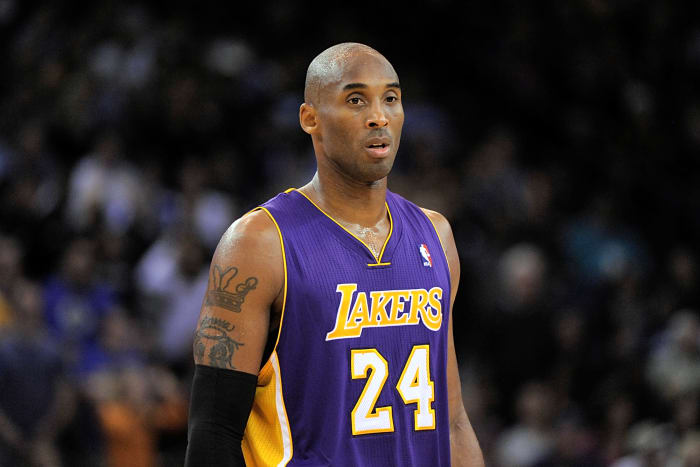
Kobe is one of the greats, yes, but perhaps more than any other player, he's known for his work ethic. The "Mamba Mentality" was all about going the extra mile, showing up before and leaving after everybody else. This intensity inspired players who came after him to give their all to personal development.

 
18 of 20

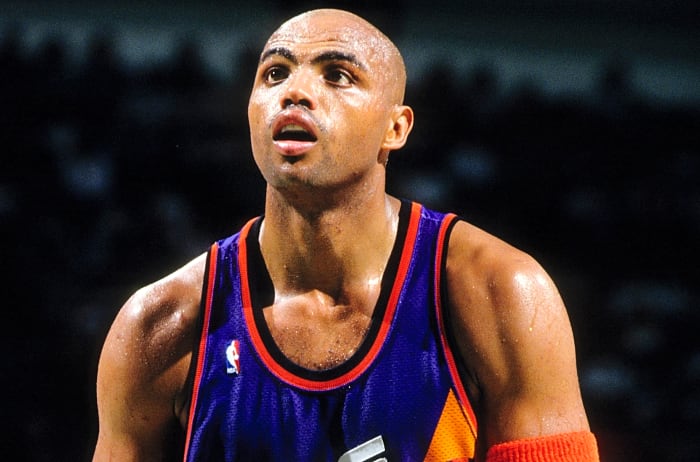
Charles Barkley

Charles Barkley
USA TODAY Sports/Imagn

Barkley was one of the best rebounders the NBA ever saw. This was despite him standing at 6'6", which was notably short for a power forward. Challenging traditional expectations, Charles ushered in an era when height wasn't the only factor in positioning.

 
19 of 20

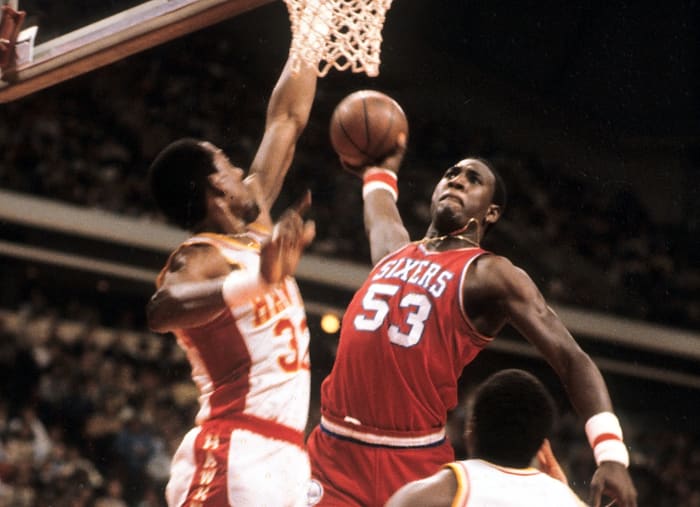
Darryl Dawkins

Darryl Dawkins
Malcolm Emmons/Imagn

There are few dunkers more ferocious than Dawkins. He threw it down with such force that he regularly broke backboards. It was such a concern, in fact, that the NBA had to make changes to the baskets to make them more durable and safe.

 
20 of 20

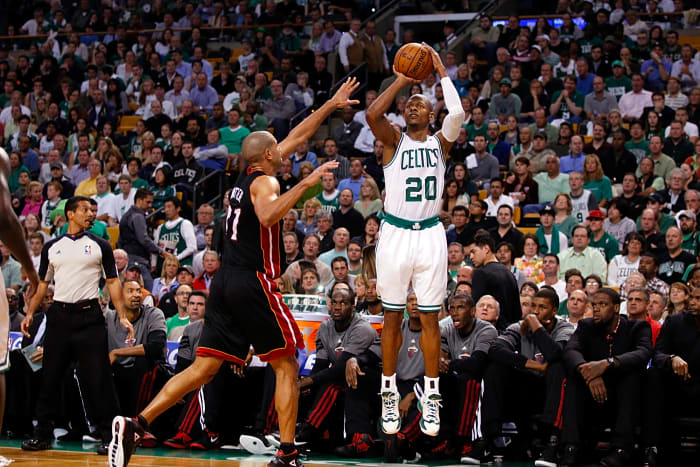
Ray Allen

Ray Allen
David Butler II/Imagn

Allen has one of the purest shooting forms in NBA history, and consequently, he was one of the best shooters to ever play. This was thanks to regimented practice and preparation. Allen set a new standard when it came to mechanical soundness and repetition, leading to success.

More must-reads:

Customize Your Newsletter

Yardbarker +

Get the latest news and rumors, customized to your favorite sports and teams. Emailed daily. Always free!