
-

-


Follow Us
-

 On Facebook
 On Flipboard


 Free Newsletters
 On YouTube
MLB News / Field Level Media / June 30
Miscounted outs error hands Rangers sixth straight win vs. Guardians
Cleveland left fielder Cooper Ingle threw the ball into the stands, incorrectly thinking it was the third out of the seventh inning, to bring home Ezequiel Duran as the go-ahead run as the visiting Texas Rangers beat the Guardians 4-2 on Tuesday night.
MLB News / Lone Star Ball / June 30
44-42 – Guardians throw Rangers their sixth win in a row 
The Texas Rangers scored four runs while the Cleveland Guardians scored two runs. The first couple of handfuls of minutes of tonight’s game was enough to make one wonder if maybe the wheels were finally coming off.

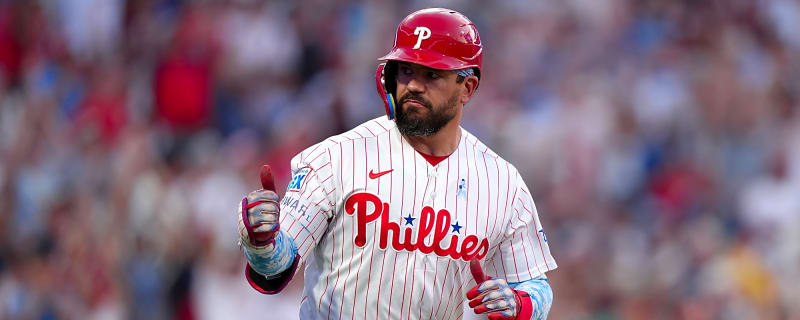
The 'Active MLB XBH leaders' quiz
How many of the active MLB players to rack up at least 500 extra base hits in their career can you name in five minutes?

25 MLB players most likely to be traded by the deadline
The MLB Trade Deadline has been quieter in recent years, in part due to playoff expansion, but 2026 is shaping up to be a more exciting one with several big names.

Chris Paddack News / MLB Trade Rumors / June 30

Rangers Designate Chris Paddack For Assignment
The Rangers announced that right-hander Gavin Collyer has been recalled from Triple-A Round Rock. In a corresponding move, fellow righty Chris Paddack has been designated for assignment.
Texas Rangers News / Lone Star Ball / June 30
Texas Rangers lineup for June 30, 2026
Texas Rangers lineup for June 30, 2026 against the Cleveland Guardians: starting pitchers are Jacob deGrom for the Rangers and Tanner Bibee for the Guardians.


25 MLB players who could be first-time All-Stars in 2026
Being named to the Midsummer Classic is one of the biggest honors for MLB players. These 25 players have a chance to make their first All-Star appearance in 2026 based on their first-half performances.

Tanner Bibee News / Texas Rangers on SI / June 30
Rangers Best Matchups Against Tanner Bibee as Lineup Set for Guardians
The Texas Rangers are now one game above .500 and the hottest they’ve been all season as they prepare to face the Cleveland Guardians on Tuesday. The Rangers are 43-42 and have a one-half game lead in the American League West over the Seattle Mariners.
MLB News / MLB on ClutchPoints / June 30

2 trades Rangers must make to upset Mariners in AL West
The Texas Rangers find themselves in a familiar spot, close enough to first place to believe, but not quite talented enough to separate from the pack.



Texas Rangers News / Texas Rangers on SI / June 30
Why Rangers DFA Moves Signal They're Not Done Looking for Free-Agent Pitching
The Texas Rangers were a transaction machine on Monday. They made four moves, all of which mattered. The Rangers completed their signing of veteran right-hander Chris Paddack and turned him loose on the Cleveland Guardians on Monday night after Tyler Alexander pitched a clean first inning as the opener.
Texas Rangers News / Lone Star Ball / June 30
The 2026 Rangers don’t go first to third
The Texas Rangers offense has been assessed the lion’s share of the blame for the team’s struggles last year, as well as their hovering around .500 so far this season.
Cameron Cauley News / Texas Rangers on SI / June 30

Rangers Get Needed Impact From Cameron Cauley in MLB Debut
As it turns out, Cameron Cauley knew something was up Saturday night. Triple-A Round Rock was in Tacoma on Saturday night. During the game, his manager removed from the contest with little explanation.
Texas Rangers News / Lone Star Ball / June 30
2026 Texas Rangers Recap: Week 14
GAME 78: 4-3 Win @ Miami Marlins GAME 79: 4-6 Loss @ Miami Marlins GAME 80: 2-4 Loss @ Miami Marlins GAME 81: 6-5 Win @ Toronto Blue Jays GAME 82: 5-4
Texas Rangers News / Lone Star Ball / June 30
Thoughts on a 6-3 Rangers win
Rangers 6, Guardians 3 That’s five in a row. Number five being a particularly unexpected and surprising triumph. The Rangers used an opener who was pitching for a third straight day, having picked up saves in the previous two games.
Texas Rangers News / Lone Star Ball / June 30
Tuesday Morning Texas Rangers Update
Good morning. Evan Grant writes that the Texas Rangers are taking a page from USMNT supporters and believing that they can win. MLB dot com’s Henry Palattella writes that Cam Cauley was called up yesterday and immediately contributed to Texas’ 6-3 victory over the Cleveland Guardians.
Brandon Nimmo News / Texas Rangers on SI / June 30

Rangers Face Next Critical Roster Move After Brandon Nimmo Injury
Two days after placing Wyatt Langford on the injured list count, the Texas Rangers may face the same decision with right fielder Brandon Nimmo. After Monday's 6-3 win over the Cleveland Guardians, Evan Grant of The Dallas Morning News (subscription required) reported that Nimmo’s MRI revealed that he had a sprained A/C joint in his left shoulder.
Cameron Cauley News / Field Level Media / June 30

Rangers' Cameron Cauley eager for encore after big debut vs. Guardians
Texas Rangers second baseman Cameron Cauley appeared in 484 minor league games over six seasons before receiving his first call-up to the majors. His promotion included a spot in the lineup for the Rangers' series opener Monday against the host Cleveland Guardians -- and the kind of wet welcome that only baseball players extend.
Cameron Cauley News / Field Level Media / June 29

Cameron Cauley sparks Rangers' 5th straight win in MLB debut
Cameron Cauley tripled in the seventh inning for his first major league hit in his debut, then scored the go-ahead run on Nicky Lopez's single as the visiting Texas Rangers beat the Cleveland Guardians 6-3 on Monday night.
Texas Rangers News / Lone Star Ball / June 29
43-42 – Rangers wrestle their way back above .500 with 5-3 win over Guardians
The Texas Rangers scored five runs while the Cleveland Guardians scored three runs. With a need for an opener, a lineup that would have perhaps been questionable
Texas Rangers News / MLB Trade Rumors / June 29
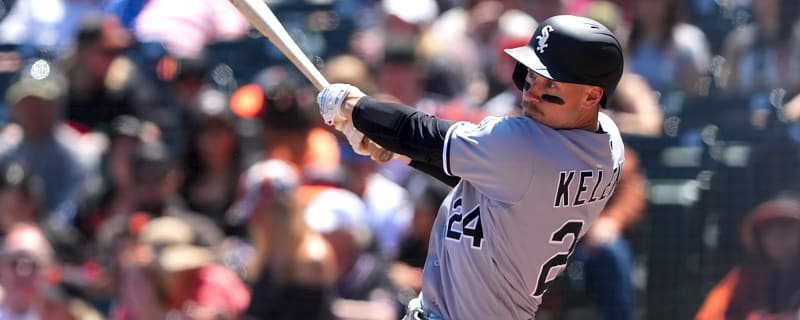
Rangers Designate Jarred Kelenic, Joe Ross For Assignment
The Rangers announced that outfielder Jarred Kelenic and right-hander Joe Ross have been designated for assignment. Those moves open active roster spots for righty Chris Paddack and infielder/outfielder Cameron Cauley.
Cameron Cauley News / MLB Trade Rumors / June 29

Rangers To Select Cameron Cauley
The Rangers are calling up infield prospect Cameron Cauley to make his major league debut, reports Robert Murray of FanSided. He’s not on the 40-man roster yet.
Texas Rangers News / Athlon Sports / June 29
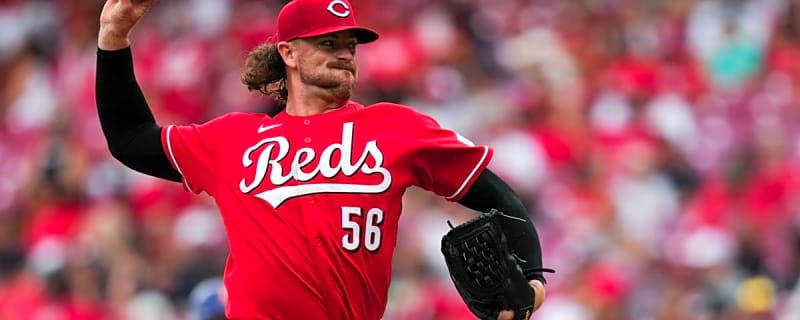
Rangers Nearing Deal with Veteran Starter
Amid injuries, the Texas Rangers are working to bolster their rotation depth. According to Shawn McFarland of the Dallas Morning News, the Rangers are close to finalizing a major league deal with right-handed starter Chris Paddack.
Texas Rangers News / Yardbarker / June 28

Wyatt Langford returns to IL in unfortunate blow to Rangers
Langford can't seem to catch a break this season.
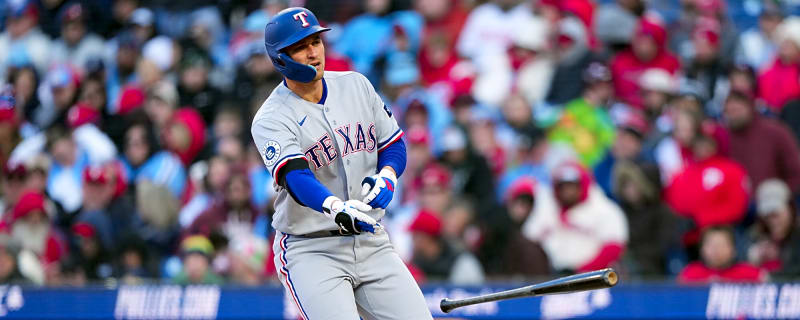
The 'MLB playoff HR leaders' quiz
In the history of MLB, 31 players have hit 13 or more home runs in the postseason over the course of their careers. How many can you name in six minutes?
Texas Rangers News / MLB on ClutchPoints / June 24

Rangers receive important Corey Seager, Jordan Montgomery injury updates
The Texas Rangers are still waiting for two key pieces to return, but the latest injury updates on Corey Seager and Jordan Montgomery give fans something real to monitor.
Breaking News
Trending News









Customize Your Newsletter
 +
+




Get the latest news and rumors, customized to your favorite sports and teams. Emailed daily. Always free!
MY ACCOUNT
SUBSCRIBE
ADVERTISE
JOBS
FAQ
PRIVACY POLICY COOKIE POLICY CONTACT US
ABOUT YARDBARKER TERMS OF SERVICE


PRIVACY POLICY COOKIE POLICY CONTACT US
ABOUT YARDBARKER TERMS OF SERVICE
Copyright 2026 YB Media, LLC. All rights reserved.
By using this site, you agree to our Terms of Service and Privacy Policy.
This site is for entertainment purposes only.
There is no gambling offered on this site.
Gambling Problem? Call 1-800-Gambler.

By using this site, you agree to our Terms of Service and Privacy Policy.
This site is for entertainment purposes only.
There is no gambling offered on this site.
Gambling Problem? Call 1-800-Gambler.