
-

-


Follow Us
-

 On Facebook
 On Flipboard


 Free Newsletters
 On YouTube
Logan Gilbert News / Seattle Mariners on SI / June 26
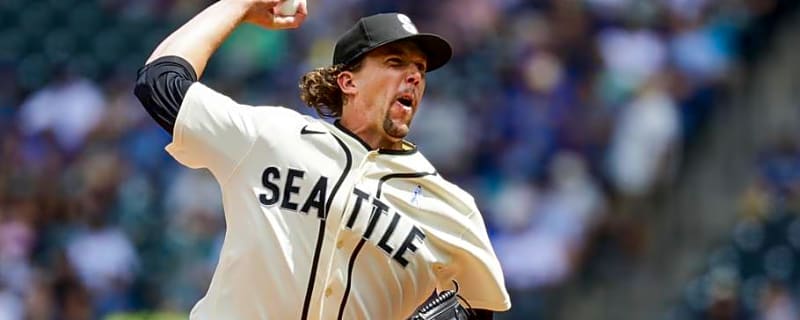
Mariners Probable Starters vs. Guardians, Logan Gilbert Becomes the Piggyback Flashpoint
The Mariners are walking into Cleveland with a series that feels like it could go either way. The Guardians are 42-39, good enough to respect but not exactly good enough to fear.
Seattle Mariners News / Inside The Diamonds / June 26
Seattle Mariners Infield Prospect Hits for Cycle in Seven-Inning Game
The Seattle Mariners High-A affiliate, the Everett Aqua Sox, is facing the Eugene Emeralds, the affiliate of the San Francisco Giants. Last night in the first game of a doubleheader, the Mariners seventh ranked prospect and the 96th overall prospect, Felnin Celesten, hit for the cycle.

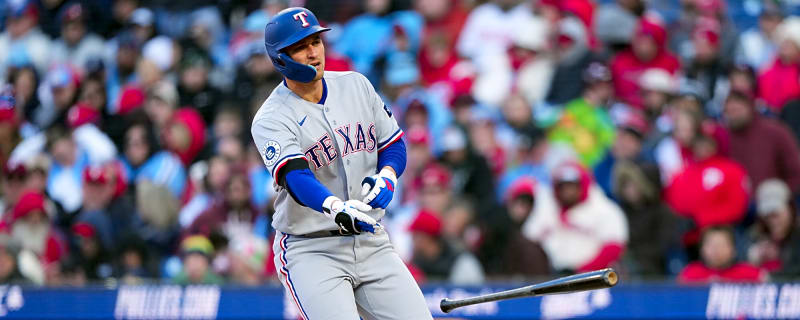
The 'MLB playoff HR leaders' quiz
In the history of MLB, 31 players have hit 13 or more home runs in the postseason over the course of their careers. How many can you name in six minutes?

25 MLB players most likely to be traded by the deadline
The MLB Trade Deadline has been quieter in recent years, in part due to playoff expansion, but 2026 is shaping up to be a more exciting one with several big names.
Seattle Mariners News / Lookout Landing / June 26
Mariners News: Andrés Muñoz, Miles Mastrobuoni, and Corey Seager 
Good morning folks and happy Friday! The Mariners had another stinker of a performance last night, dropping the series finale to the Pirates 5-1 which brings them back to .500 on the season.
Seattle Mariners News / Seattle Mariners on SI / June 25

Mariners Are Creating a Trade Deadline Mess by Letting the AL West Stay Alive
The Mariners opened the season as the favorites to win the AL West. But why does it feel like they’re treating it like a dare? They’re somehow still in first place after dropping their last series against the Pittsburgh Pirates, putting their record back to .500 at 41-41.

MLB News / Lookout Landing / June 25
Broadcast castaways, Mariners sunk in Pirates sweep 5-1
In a year of anniversarial festivity across the United States, a less rounded celebration will make its annual occurrence in just a month and change. The 105th anniversary of the first radio broadcast of a baseball game will occur on August 5th.
Miles Mastrobuoni News / MLB Trade Rumors / June 25

Mariners Outright Miles Mastrobuoni
The Mariners announced that infielder/outfielder Miles Mastrobuoni cleared waivers and has been outrighted to Triple-A Tacoma. He had been designated for assignment by Seattle last week.
MLB News / MLB on ClutchPoints / June 25
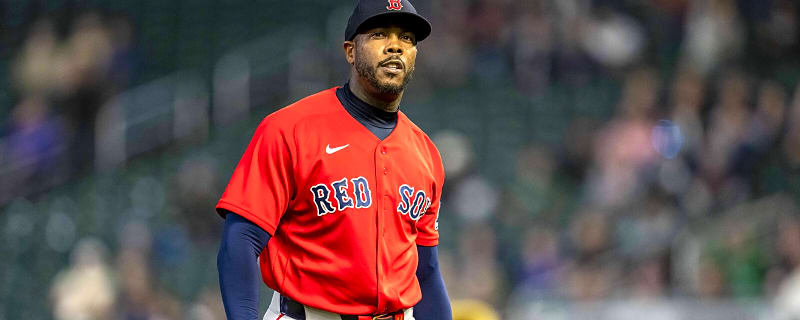
Mariners rumors: Analyst calls Aroldis Chapman, Luke Weaver ‘almost perfect fits’ for Seattle
With the Seattle Mariners preparing for the upcoming trade deadline, there are fans who are wondering who the team will target as a need for the ball club.
Seattle Mariners News / Lookout Landing / June 25
Mariners Draft Profile: RHP Logan Reddemann
Joining arguably the best roster in college baseball this past season via transfer, Logan Reddemann, a 6’3 righthander, immediately stepped into the role of “staff ace” for UCLA and found consistent success despite his mid-major roots.


25 MLB players who could be first-time All-Stars in 2026
Being named to the Midsummer Classic is one of the biggest honors for MLB players. These 25 players have a chance to make their first All-Star appearance in 2026 based on their first-half performances.
Bryce Miller News / Field Level Media / June 25

Mariners' Bryce Miller hopes for longer leash in finale vs. Pirates
Bryce Miller won't have to look over his shoulder on Thursday afternoon. The Seattle Mariners' right-hander will start the finale of a three-game interleague series at Pittsburgh, and he won't have teammate Luis Castillo warming up in the bullpen in the fifth inning.
MLB News / Seattle Mariners on SI / June 24

Red Sox Trade Rumors Reveal the Real Problem With the Mariners’ Deadline Plans
The Mariners are going to continue to show up in trade rumors. That’s the expectation, especially with a team that started the season off with high odds for a World Series appearance.




Seattle Mariners News / Lookout Landing / June 24
The Mariners get out-tried, lose 11-1
Sometimes, hot dogs can go to hell, because it’s language itself that is a sandwich. Piracy is known today by its two modern utilizations – the crime of attacking ships at sea to rob them, and the illegal copying of media with the purpose of publication and sale.
Cole Young News / Seattle Mariners on SI / June 24

Cole Young Turns Small-Ball Mindset Into Massive Mariners Moment vs. Pirates
It’s not like Cole Young stepped into the batter’s box to write a movie script. Which actually makes the moment even better. The Mariners were down a run in the seventh inning Tuesday night against the Pittsburgh Pirates.
Randy Arozarena News / Field Level Media / June 23

Mariners reinstate OF Randy Arozarena (hamstring) from IL
The Seattle Mariners activated outfielder Randy Arozarena from the 10-day injured list prior to Tuesday's road game against the Pittsburgh Pirates. Arozarena has been sidelined with a left hamstring strain since being injured against the Washington Nationals on June 12.
MLB News / Inside The Rink / June 23
ECHL: Maine Mariners Announce 2025-26 Season-Ending Roster
Yesterday, the Maine Mariners sent in their season-ending roster. They were announced this morning. Season-Ending Rosters are limited to 20 players. Season-Ending Rosters cannot include any players who did not sign an ECHL contract in 2025-26.
Seattle Mariners News / Athlon Sports / June 21

Mariners Outfielder Exits Game With Injury
After providing two of the team's three RBIs and turning a crucial outfield double play, Seattle Mariners outfielder Dominic Canzone exited Sunday's game in the sixth inning.
Curtis Washington Jr. News / MLB Trade Rumors / June 20

Mariners Outright Curtis Washington Jr.
The Mariners announced that outfielder Curtis Washington Jr. was outrighted to A-level Everett after clearing waivers. There wasn’t any public indication that Washington had also been designated for assignment when he was optioned back to Everett earlier this week, but the outright now opens up a spot on Seattle’s 40-man roster.

Luis Arraez News / Yardbarker / June 19
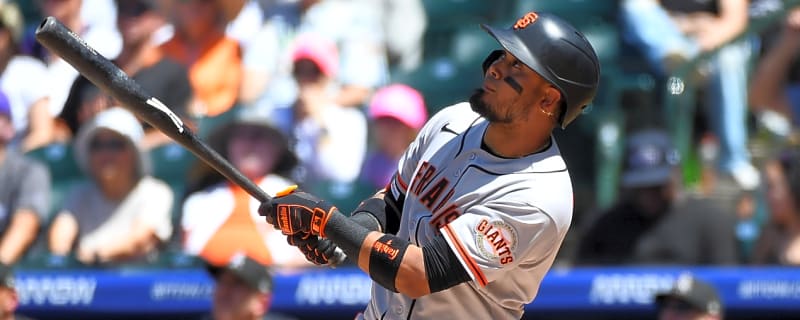
Why Mariners should target Giants contact king Luis Arraez before 2026 MLB trade deadline
The Seattle Mariners do not need Luis Arraez because he fixes everything. They should target him because he attacks the offensive flaw that can make their lineup so frustrating.
Julio Rodriguez News / Athlon Sports / June 18

Julio Rodriguez News Emerges After Removal From Mariners Lineup
The Seattle Mariners are going to be without center fielder Julio Rodriguez for the first time all season. The 25-year-old Dominican superstar suffered
Seattle Mariners News / Total Pro Sports / June 17

Who Is Curtis Washington Jr.? The Mariners Outfielder Coming Straight From High-A To The Big Leagues
Curtis Washington Jr.’s path to the majors wasn’t supposed to look like this. Most prospects grind through Double-A and Triple-A before getting the call.
Seattle Mariners News / Total Pro Sports / June 17

What Happened To Randy Arazorena? Latest Update On The Mariners Star
Randy Arozarena delivered a strong 2025 campaign in his first full season for the Seattle Mariners. Despite the team nearly clinching the American League pennant, the 31-year-old outfielder suffered a big slump during the postseason.
Seattle Mariners News / MLB Trade Rumors / June 16

Mariners place Randy Arozarena on injured list
8:14pm: Seattle has officially announced all three moves: Arozarena’s retroactive IL placement, Washington’s selection, and Wilson’s transfer to the 60-day injured list.

The 'MLB HR leaders since 1997' quiz
How many MLB home run leaders since 1997 can you name in five minutes?
Cal Raleigh News / Larry Brown Sports / June 16

Mariners get huge Cal Raleigh injury update
The Seattle Mariners have been without catcher Raleigh for a month.
Cole Young News / Stadium Rant / June 12

Seattle Mariners’ Energetic Young Core, Pitching Fueling 2026 Season
The Seattle Mariners entered the 2026 season facing familiar questions. After several years of building around a talented young core, the organization needed to prove it could consistently compete in a crowded American League landscape.
Breaking News
Trending News







Customize Your Newsletter
 +
+




Get the latest news and rumors, customized to your favorite sports and teams. Emailed daily. Always free!
MY ACCOUNT
SUBSCRIBE
ADVERTISE
JOBS
FAQ
PRIVACY POLICY COOKIE POLICY CONTACT US
ABOUT YARDBARKER TERMS OF SERVICE


PRIVACY POLICY COOKIE POLICY CONTACT US
ABOUT YARDBARKER TERMS OF SERVICE
Copyright 2026 YB Media, LLC. All rights reserved.
By using this site, you agree to our Terms of Service and Privacy Policy.
This site is for entertainment purposes only.
There is no gambling offered on this site.
Gambling Problem? Call 1-800-Gambler.

By using this site, you agree to our Terms of Service and Privacy Policy.
This site is for entertainment purposes only.
There is no gambling offered on this site.
Gambling Problem? Call 1-800-Gambler.