
-

-


Follow Us
-

 On Facebook
 On Flipboard


 Free Newsletters
 On YouTube
Detroit Tigers News / Bless You Boys / July 6
Tigers trade RHP Woo-Suk Go to the Twins, RHP Matt Seelinger to the Mets 
No, the trade deadline hasn’t arrived, nor are the Detroit Tigers getting an early start as a seller. Still, given the way this season has gone, it’s a bit amusing to think of the Tigers as having surplus relief help that is in demand by other clubs around the league.
Casey Mize News / Yardbarker / July 6

Tigers' Casey Mize emerging as under-the-radar trade candidate
According to ESPN MLB insider Jeff Passan, there is a 60% chance that Detroit Tigers starting pitcher Casey Mize gets traded ahead of the upcoming Aug.
Kevin McGonigle News / MLB on ClutchPoints / July 6

Tigers rookie Kevin McGonigle’s hometown push for All-Star nod
The Detroit Tigers have had a disappointing season thus far in 2026, currently sitting at 40-50 despite a recent road win over the Texas Rangers. The Tigers have largely been unable to build off last year’s trip to the postseason, although they have gotten some stellar play out of rookie Kevin McGonigle this season.

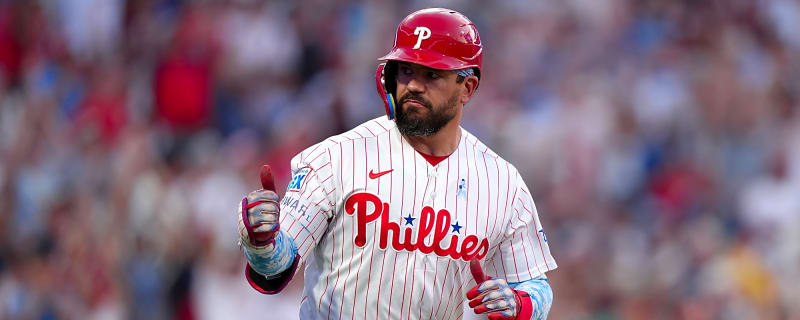
The 'Active MLB XBH leaders' quiz
How many of the active MLB players to rack up at least 500 extra base hits in their career can you name in five minutes?
Detroit Tigers News / Detroit Tigers on SI / July 6

Tigers Get Tough Reality Check Surrounding Tarik Skubal's Future in Detroit
The closer we get to the 2026 MLB All-Star Game, the more it's becoming a reality that the Detroit Tigers are going to be looking to sell at the trade deadline on August 3.

25 MLB players most likely to be traded by the deadline
The MLB Trade Deadline has been quieter in recent years, in part due to playoff expansion, but 2026 is shaping up to be a more exciting one with several big names.
Matt Seelinger News / MLB Trade Rumors / July 6

Tigers Trade Matt Seelinger To Mets
The Mets have acquired right-hander Matt Seelinger from the Tigers in exchange for cash, the team announced Monday. Chris McCosky of the Detroit News adds that Seelinger had an upward mobility clause in his contract with Detroit.
Troy Melton News / Just Baseball / July 6

Troy Melton Is Breaking Out for the Detroit Tigers
The 2024 and 2025 seasons ended in a similar fashion for the Detroit Tigers. A playoff loss with a depleted and injured rotation. In 2024, “pitching chaos,” a term sexier than bullpen games but effectively the same, was the solution.
Detroit Tigers News / Inside The Diamonds / July 6

Detroit Tigers Notebook: Weekend Recap, Series Win, All-Stars, and More
The Detroit Tigers, after dropping the series opener, rebounded with back-to-back wins against the Rangers to take the series. They improved to 40-50 with the two wins.
Detroit Tigers News / Bless You Boys / July 6
Detroit Tigers News: Casey Mize, Keider Montero, Kevin McGonigle, Trade Deadline, All-Star rosters
Happy Monday, everyone! Hopefully your holiday weekend was festive and fun, you enjoyed some BBQ, and your dogs didn’t get too freaked out. The Tigers certainly have a lot to celebrate, as three very deserving players found out they were headed to Philadelphia for the All-Star Game.
Kenley Jansen News / Detroit Tigers on SI / July 6

Tigers Closer Kenley Jansen Has Eye-Popping Home and Road Statistics
The Detroit Tigers just wrapped up their recent road series against the Texas Rangers that saw the Tigers take two out of three games and improve their record to 40-50 on the season.
Detroit Tigers News / Bless You Boys / July 6
Erie sweeps with walkoff win
The Toledo Mud Hens took Sunday’s game against Iowa, 6-2, to split the series against the Cubs. Dylan File was outstanding in this one, giving the Mud Hens five innings of one-hit ball.


25 MLB players who could be first-time All-Stars in 2026
Being named to the Midsummer Classic is one of the biggest honors for MLB players. These 25 players have a chance to make their first All-Star appearance in 2026 based on their first-half performances.
Casey Mize News / Detroit Tigers on SI / July 5

Tigers' Casey Mize Earned a Stronger Look for the All-Star Game
Major League Baseball announced the 2026 All-Star rosters on Saturday and Casey Mize’s name was not among the list. Now, being honest, considering the depth of the American League pitching pool, it wasn’t exactly shocking.

MLB News / Field Level Media / July 5

Tigers end triumphant road trip with another win over Rangers
Riley Greene had a two-run homer and two-run triple among three hits, leading the Detroit Tigers to a 6-3 victory over the Texas Rangers on Sunday in Arlington, Texas.



Tarik Skubal News / Detroit Tigers on SI / July 5

Tigers’ Tarik Skubal Trade Deadline Sweepstakes Has New Suitor
The Detroit Tigers haven’t determined if they will trade pitcher Tarik Skubal yet. But Major League Baseball got the franchise out of one delicate conversation.
Casey Mize News / Field Level Media / July 5
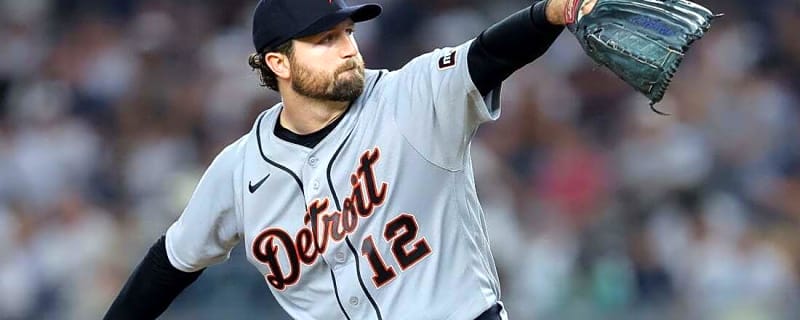
All eyes on Tigers' Casey Mize in series finale vs. Rangers
There has been plenty of speculation about Tarik Skubal's future this season. After all, the Detroit Tigers could trade their ace before he hits the free-agent market.
Detroit Tigers News / Field Level Media / July 4

Riley Greene HR backs Jack Flaherty as Tigers blank Rangers
Riley Greene blasted a two-run homer to support a strong outing by Jack Flaherty as the visiting Detroit Tigers blanked the Texas Rangers 3-0 on Saturday.
Detroit Tigers News / Yardbarker / July 4

Tigers are getting the 2024 version of Jack Flaherty following his recent resurgence
Detroit Tigers veteran starter Jack Flaherty has turned things around in June and now sits as a potentially valuable trade piece.
Detroit Tigers News / Inside The Diamonds / July 3

Detroit Tigers Notebook: Win-Streak Snapped, Framber Struggles, and More
The Detroit Tigers fell in the series opener against the Rangers, dropping to 38-50. They’re eight games back of the White Sox for the American League Central.
Detroit Tigers News / Inside The Diamonds / July 2

Detroit Tigers Notebook: Four-Run 11th Leads Tigers to Sweep, Vest to IL, Graham Has Big Night for Erie, and More
The Detroit Tigers finished off a series sweep of the Yankees, improving to 38-49. They’re eight games back of the White Sox for the American League Central.
Will Vest News / MLB Trade Rumors / July 1

Tigers Place Will Vest On Injured List
The Tigers placed Will Vest on the 15-day injured list today, ahead of their afternoon game against the Yankees. In a corresponding move, the team recalled Beau Brieske from Triple-A Toledo to take Vest’s spot in the bullpen.
MLB News / Yardbarker / July 1

Cross one AL East team off the potential destinations for Tarik Skubal
Many expect the Tigers to trade Skubal, on a one-year, $32M contract, before the trade deadline on Aug. 3 for a haul.
MLB News / Yardbarker / June 29

Yankees offense has taken a detour with fifth consecutive loss
The Detroit Tigers handed the Yankees their fifth consecutive loss with a 7-3 victory on Monday night following a four-game sweep from the Boston Red Sox.
Max Anderson News / Just Baseball / June 29

Why Defensive Versatility Could Be Max Anderson’s Ticket to the Big Leagues
TOLEDO, Ohio — Keeping up on Nebraska baseball comes easily for Joba Chamberlain. While his time as a member of the Cornhuskers baseball team may have been limited, he has remained an ardent supporter of the program since being drafted by the New York Yankees in 2006.
Casey Mize News / Just Baseball / June 29
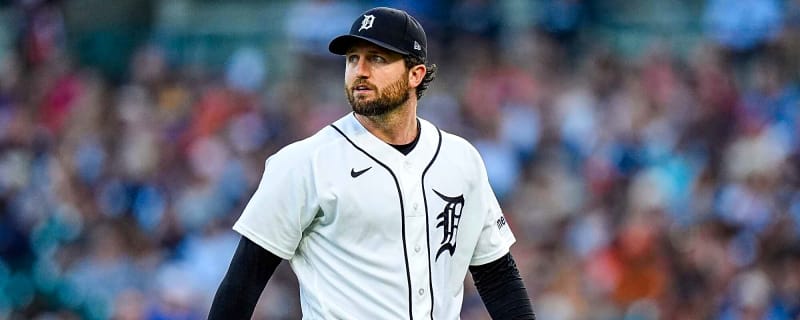
Should the Detroit Tigers Trade Casey Mize?
After a disastrous May, the Detroit Tigers rebounded in the start of June and finally started to look like the team many projected them to be. Health improved, hits started to fall in, hell, even Colt Keith had a moment of flashing power.
Dillon Dingler News / Yardbarker / June 23

Dillon Dingler having a breakout campaign with Tigers
The Detroit Tigers have one of the best catchers in MLB in Dingler, who is putting up a solid breakout campaign and career-high numbers in 2026.
MLB News / Yardbarker / June 22

Yankees' rotation strategy backfires with Gerrit Cole's rough start vs. Tigers
New York Yankees manager Aaron Boone may be second-guessing his decision to push back Gerrit Cole's start.
Breaking News
Trending News












Customize Your Newsletter
 +
+




Get the latest news and rumors, customized to your favorite sports and teams. Emailed daily. Always free!
MY ACCOUNT
SUBSCRIBE
ADVERTISE
JOBS
FAQ
PRIVACY POLICY COOKIE POLICY CONTACT US
ABOUT YARDBARKER TERMS OF SERVICE


PRIVACY POLICY COOKIE POLICY CONTACT US
ABOUT YARDBARKER TERMS OF SERVICE
Copyright 2026 YB Media, LLC. All rights reserved.
By using this site, you agree to our Terms of Service and Privacy Policy.
This site is for entertainment purposes only.
There is no gambling offered on this site.
Gambling Problem? Call 1-800-Gambler.

By using this site, you agree to our Terms of Service and Privacy Policy.
This site is for entertainment purposes only.
There is no gambling offered on this site.
Gambling Problem? Call 1-800-Gambler.