
-

-


Follow Us
-

 On Facebook
 On Flipboard


 Free Newsletters
 On YouTube
Michel Otanez News / Lone Star Ball / June 19
Michel Otanez outrighted 
Texas Rangers pitcher Michel Otanez has cleared waivers and been outrighted to AAA Round Rock, the team announced today. Otanez was designated for assignment last week when the Rangers needed to open a 40 man roster spot when they were adding Joe Ross to the active roster.
Texas Rangers News / Texas Rangers on SI / June 19

Why Rangers Should Have No Untouchable Players at Trade Deadline
Texas Rangers president of baseball operations Chris Young did what was asked of him this offseason. He was asked to trim payroll and get younger. It cost him manager Bruce Bochy but led to the hiring of Skip Schumaker.


The 'College World Series winners' quiz
The College Baseball World Series dates back to 1947. How many of the champions can you name?
Texas Rangers News / Lone Star Ball / June 19
Rangers Reacts Results: A Rangers All Star
This week in the Rangers Reacts survey, we asked which Texas Rangers player was most deserving of an All Star berth. The voting was fairly close at the top: Jacob Latz, who is tied for 6th in the American League in saves and is sporting a 1.62 ERA and a 1.5 bWAR, received a plurality of the vote, at 40%.
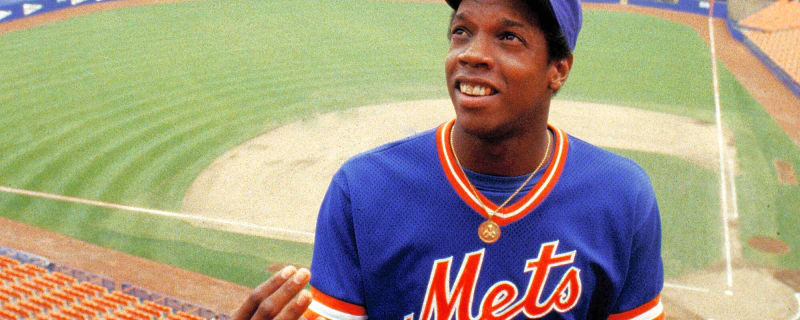
The 25 greatest rookie seasons in MLB history
Not every all-timer has instant success at the next level. For many baseball players, it takes a few bumps in the road out of the gate before they ever reach stardom.
Texas Rangers News / Lone Star Ball / June 19
Friday morning Rangers things
Good morning, LSB. The Rangers polished off an abysmal sweep by the Twins yesterday. Texas fell behind early once again and that was pretty much it, writes Kennedi Landry.
Texas Rangers News / Lone Star Ball / June 19
Minor league update for 6/18/26
Hickory starter Jesus Lafalaise allowed two runs in six innings, striking out five and walking one. Aneudis Mejia allowed three runs in two innings, striking out four and walking one.

MLB News / Texas Rangers on SI / June 19

Rangers-Padres Series: Preview, Starting Pitchers, Key Matchups
The Texas Rangers enter their series with the San Diego Padres fighting multiple battles. The Rangers (35-39) have lost five out of six games since getting back to .500 after beating the Kansas City Royals in a three-game series on June 11.
Texas Rangers News / Texas Rangers on SI / June 18
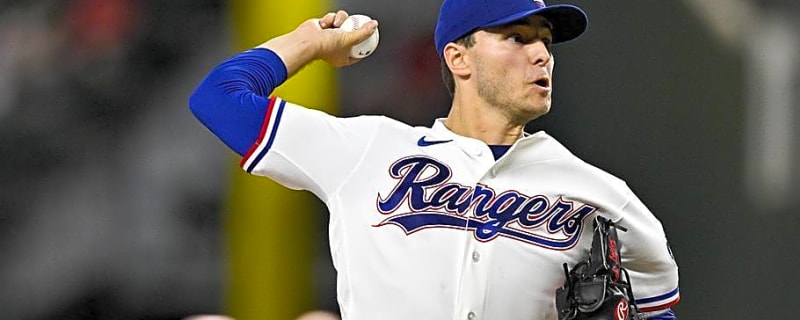
Rangers First-Inning Disasters May Be Developing into Something Worse
The Texas Rangers are dangerously close to losing control of their season. And it all begins with their disastrous first innings. It happened again on Thursday when the Rangers lost to the Twins, 9-3.
MLB News / Lone Star Ball / June 18
35-39 – Rangers swept by Twins in uncompetitive finale
The Texas Rangers scored three runs while the Minnesota Twins scored nine runs. Just passing through to say the Rangers lost. The Twins hit a home run in the first inning of each game in this series.
Texas Rangers News / Texas Rangers on SI / June 18

Skip Schumaker Explains Why Rangers’ Josh Smith Will See Consistent At-Bats
Josh Smith’s return coincided with Corey Seager’s move to the 7-day concussion IL. When Seager returns, don’t expect Smith to exit the lineup right away.

Which 20 players have hit four home runs in an MLB game?
The only two things rarer in modern-day baseball than the four-homer game is the Triple Crown and the unassisted triple play. The former is, of course, done over an entire season, while there's a large level of lucky in the unassisted triple play.
Texas Rangers News / Texas Rangers on SI / June 18

Rangers Lean Into Left-Handed Hitters for Twins Finale Lineup
The Texas Rangers will face the Minnesota Twins on Thursday afternoon looking for some redemption after an awful loss on Tuesday. The Rangers (35-38) lost to the Twins, 12-2, in what amounted to a game Texas was never really in.

The 'Most 250-K MLB seasons' quiz
How many of the 25 MLB pitchers in the Live-Ball Era to strikeout at least 250 batters in multiple seasons can you name in five minutes?


Texas Rangers News / Texas Rangers on SI / June 18

The Trade Deadline Fit Rangers Have to Consider to Boost Their Offense
The Texas Rangers know they’re in a gray area when it comes to playoff contention. That means the trade deadline strategy could shift repeatedly. Three games under .500 but not out of the playoff picture, Rangers president of baseball operations Chris Young is going to need justification to make a bigger move at the trade deadline.
Texas Rangers News / Lone Star Ball / June 18
Minor league update for 6/17/26
For Hickory, Owen Proksch faced seven batters, walked one of them and struck out six of them. Michael Truach struck out one in two innings, allowing two runs.
Skip Schumaker News / Texas Rangers on SI / June 17

Skip Schumaker Can’t Fix What’s Killing the Rangers Right Now
Skip Schumaker did what he could to explain the Texas Rangers’ 12-2 loss to the Minnesota Twins on Tuesday, but the script has become familiar. A Rangers starting pitcher gives up a crooked number in the first inning, with a home run peppered in for seasoning.
Texas Rangers News / Texas Rangers on SI / June 17
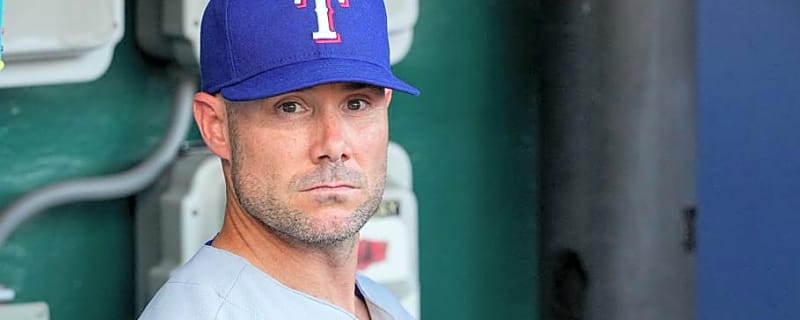
Explaining Rangers’ Recent Absence from Trade Deadline Candidates List
The Texas Rangers spent Wednesday trying to assess the damage from their worst loss of the season after falling, 12-2, to the Minnesota Twins. Three games under .500, the World Cup offered Texas a chance to take a break on an odd day and try to figure out how to turn things around.
Texas Rangers News / Texas Rangers on SI / June 17

Rangers Being Held Back from Controlling AL West by This One Split
The Texas Rangers are off on Wednesday. They’ll resume their series with the Minnesota Twins on Thursday. They’re in need of a win — and not just because they lost the first two games of the series.
Texas Rangers News / BoxingNews.com / June 16
Garcia wants Rodriguez unification fight before Inoue clash
Robert Garcia wants Jesse 'Bam' Rodriguez to fight for a second bantamweight title before chasing Naoya Inoue. Garcia, who trains and manages Rodriguez, told DAZN after Saturday's sixth-round stoppage of Antonio Vargas that he wants the San Antonio southpaw to face WBO titleholder Christian Medina in a unification bout at 118 pounds.
Corey Seager News / Field Level Media / June 15
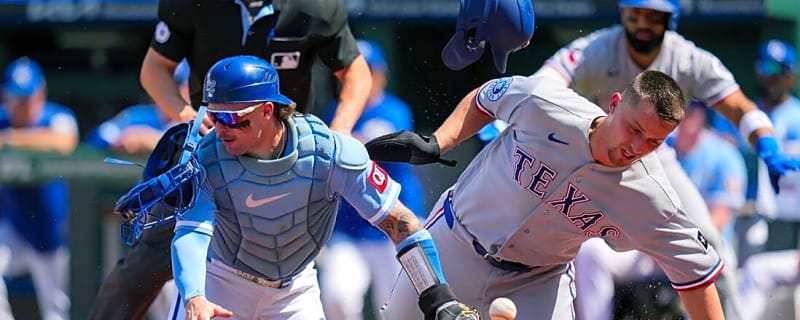
Rangers place SS Corey Seager on 7-day concussion IL
The Texas Rangers will be without Corey Seager again, this time after the shortstop was placed on the seven-day concussion list on Monday. Seager was injured Thursday in a collision at home plate with Kansas City Royals catcher Carter Jensen.
Texas Rangers News / Athlon Sports / June 15
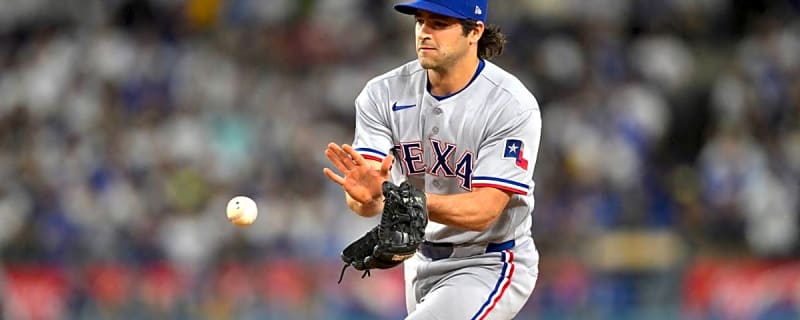
How Rangers' Super Utility Man Has Fared Since Beginning Rehab Assignment
The Texas Rangers have been without one of their most versatile players for much of the 2026 season. Josh Smith, 28, has been sidelined since May 3 with a combination of a glute strain, wrist soreness, and viral meningitis.
Texas Rangers News / NBC Sports / June 14
MLB News / Field Level Media / June 14

Rangers get off to hot start, hold off Red Sox
Wyatt Langford and Kyle Higashioka homered in back-to-back innings to start the game, and the visiting Texas Rangers avoided a three-game series sweep at the hands of the Boston Red Sox with a 6-4 win on Sunday night.
Evan Carter News / Field Level Media / June 13

Rangers place OF Evan Carter (oblique) on injured list
The Texas Rangers placed outfielder Evan Carter (oblique) on the 10-day injured list on Saturday. In a corresponding move, the club recalled utility man Cody Freeman from Triple-A Round Rock.
Corey Seager News / Athlon Sports / June 12

Rangers Reveal Corey Seager Update After Exiting Starting Lineup
The Texas Rangers revealed an update on shortstop Corey Seager after a scary home plate collision on Thursday against the Kansas City Royals. Seager has had yet another injury-riddled season to start his 2026 campaign.
MLB News / Larry Brown Sports / June 12

Seth Lugo exits game after taking a 107 mph line drive to the head
Seth Lugo was involved in an absolutely terrifying moment during Wednesday’s game.
Breaking News
Trending News









Customize Your Newsletter
 +
+




Get the latest news and rumors, customized to your favorite sports and teams. Emailed daily. Always free!
MY ACCOUNT
SUBSCRIBE
ADVERTISE
JOBS
FAQ
PRIVACY POLICY COOKIE POLICY CONTACT US
ABOUT YARDBARKER TERMS OF SERVICE


PRIVACY POLICY COOKIE POLICY CONTACT US
ABOUT YARDBARKER TERMS OF SERVICE
Copyright 2026 YB Media, LLC. All rights reserved.
By using this site, you agree to our Terms of Service and Privacy Policy.
This site is for entertainment purposes only.
There is no gambling offered on this site.
Gambling Problem? Call 1-800-Gambler.

By using this site, you agree to our Terms of Service and Privacy Policy.
This site is for entertainment purposes only.
There is no gambling offered on this site.
Gambling Problem? Call 1-800-Gambler.