
-

-


Follow Us
-

 On Facebook
 On Flipboard


 Free Newsletters
 On YouTube
Seattle Mariners News / Lookout Landing / June 19
Mariners select INF/OF Weston Wilson; DFA INF Miles Mastrobuoni 
The Mariners announced today they have selected INF/OF Weston Wilson from Triple-A Tacoma and designated INF/OF Miles Mastrobuoni for assignment. Wilson,

MLB News / Yardbarker / June 19
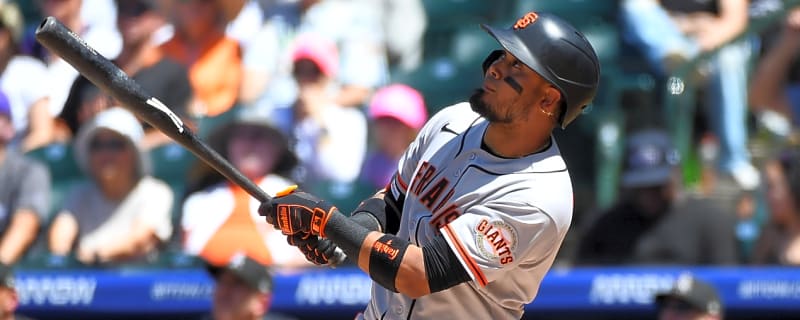
Why Mariners should target Giants contact king Luis Arraez before 2026 MLB trade deadline
The Seattle Mariners do not need Luis Arraez because he fixes everything. They should target him because he attacks the offensive flaw that can make their lineup so frustrating.
Rob Refsnyder News / Seattle Mariners on SI / June 19

Rob Refsnyder Faces Moment of Truth in Mariners’ Upcoming Series vs. Red Sox
This has to be it for Rob Refsnyder. The Mariners brought him in for one reason only. They needed a right-handed bat who could punish lefty pitching. That was the whole point.


The 'College World Series winners' quiz
The College Baseball World Series dates back to 1947. How many of the champions can you name?
MLB News / Seattle Mariners on SI / June 19
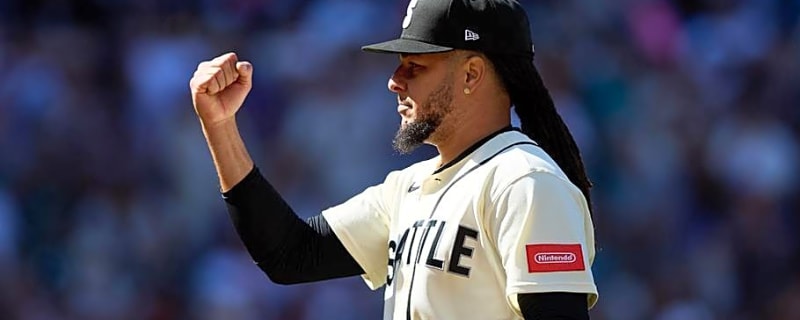
Mariners Probable Starters vs. Red Sox Bring Bold Piggyback Plan Back to Life
The Boston Red Sox come into Seattle on Friday, June 19 with a 29-43 record, buried in last place in the AL East. They’re losers of four straight and fresh off getting swept by the Blue Jays.
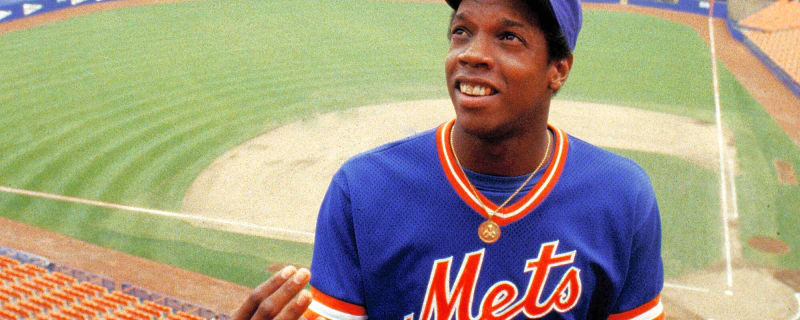
The 25 greatest rookie seasons in MLB history
Not every all-timer has instant success at the next level. For many baseball players, it takes a few bumps in the road out of the gate before they ever reach stardom.
Seattle Mariners News / MLB on ClutchPoints / June 19

Mariners rumors: Fans won’t like Ken Rosenthal’s Seattle-Tarik Skubal trade report
Most MLB fans would surely love to see their favorite team trade for Tarik Skubal. Teams such as the New York Yankees and Los Angeles Dodgers are likely going to be in the conversation, but could the Seattle Mariners pursue the two-time Cy Young winning pitcher?
Seattle Mariners News / Field Level Media / June 19
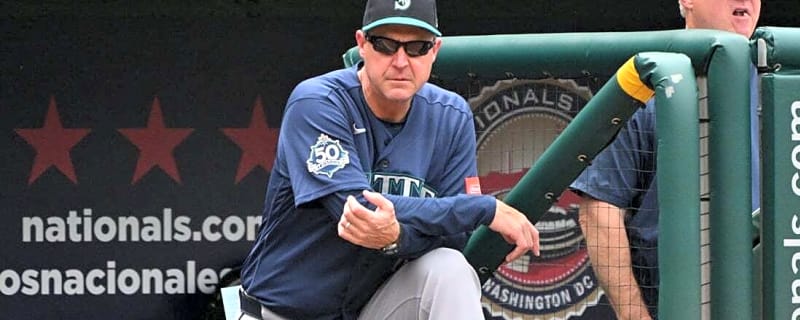
Ailing Mariners turn attention to opener vs. reeling Red Sox
Outfielder Luke Raley was over the lower back tightness that forced him to miss the first two games of the Seattle Mariners' series with the Baltimore Orioles.
MLB News / Seattle Mariners on SI / June 18
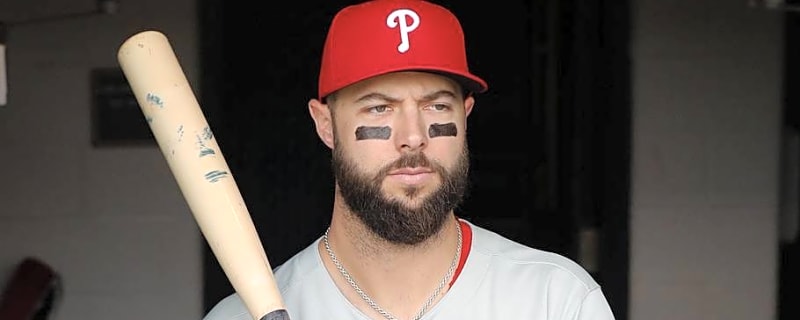
Mariners Sign Former Phillies Castoff in Latest Search for Emergency Depth
In what shouldn’t be a huge surprise, the Mariners quietly added more depth this week. They signed former Phillies and Orioles utility player Weston Wilson to a minor-league contract, giving the organization another experienced plug-and-play option at Triple-A Tacoma. The M’s are beat up and shuffling bodies.
Bryan Woo News / MLB on ClutchPoints / June 18

Mariners pitcher Bryan Woo joins historically exclusive club after start vs. Orioles
The Seattle Mariners continued to showcase one of baseball’s most reliable pitching staffs Thursday, and Bryan Woo added another impressive accomplishment to his growing resume with a dominant start against the Baltimore Orioles.
Bryan Woo News / Field Level Media / June 18

Bryan Woo leads Mariners' shutout of Orioles
Bryan Woo pitched seven-plus scoreless innings as the Seattle Mariners defeated the visiting Baltimore Orioles 3-0 Thursday afternoon. The Mariners won the season series 4-3, taking two of three games this week after the teams split a four-game set last week in Baltimore.

Which 20 players have hit four home runs in an MLB game?
The only two things rarer in modern-day baseball than the four-homer game is the Triple Crown and the unassisted triple play. The former is, of course, done over an entire season, while there's a large level of lucky in the unassisted triple play.
Julio Rodriguez News / Athlon Sports / June 18

Julio Rodriguez News Emerges After Removal From Mariners Lineup
The Seattle Mariners are going to be without center fielder Julio Rodriguez for the first time all season. The 25-year-old Dominican superstar suffered

MLB News / MLB Trade Rumors / June 18
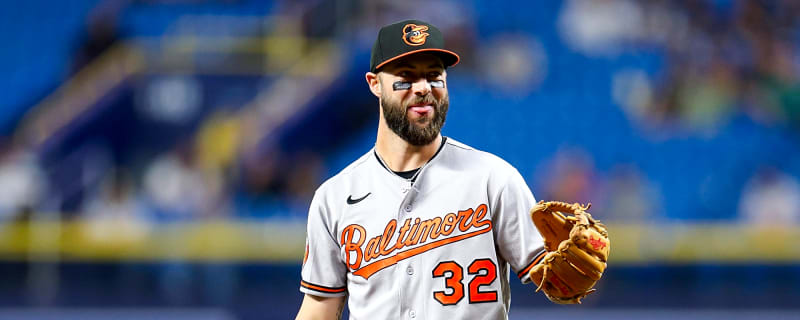
Mariners Sign Weston Wilson To Minor League Contract
Infielder/outfielder Weston Wilson has signed a minor league contract with the Mariners after electing free agency in lieu of an outright assignment from the Orioles late last week.
Connor Joe News / Field Level Media / June 17

Mariners recall IF/OF Connor Joe from Triple-A Tacoma
The Seattle Mariners recalled utility player Connor Joe ahead of Wednesday's home game against the Baltimore Orioles. Joe, 33, was sent to Triple-A Tacoma on May 22 after hitting .182 with one home run and three RBIs over 18 games to begin the season.
Seattle Mariners News / Total Pro Sports / June 17

Who Is Curtis Washington Jr.? The Mariners Outfielder Coming Straight From High-A To The Big Leagues
Curtis Washington Jr.’s path to the majors wasn’t supposed to look like this. Most prospects grind through Double-A and Triple-A before getting the call.
Seattle Mariners News / Total Pro Sports / June 17

What Happened To Randy Arazorena? Latest Update On The Mariners Star
Randy Arozarena delivered a strong 2025 campaign in his first full season for the Seattle Mariners. Despite the team nearly clinching the American League pennant, the 31-year-old outfielder suffered a big slump during the postseason.
Cal Raleigh News / MLB on ClutchPoints / June 17

Watch Cal Raleigh make clutch first hit since May in Mariners return
The Seattle Mariners have been battling to retake their spot atop the AL West standings, and they got back a huge reinforcement on Tuesday in the form of star catcher Cal Raleigh.
Seattle Mariners News / MLB Trade Rumors / June 16

Mariners place Randy Arozarena on injured list
8:14pm: Seattle has officially announced all three moves: Arozarena’s retroactive IL placement, Washington’s selection, and Wilson’s transfer to the 60-day injured list.
Josh Naylor News / Athlon Sports / June 16
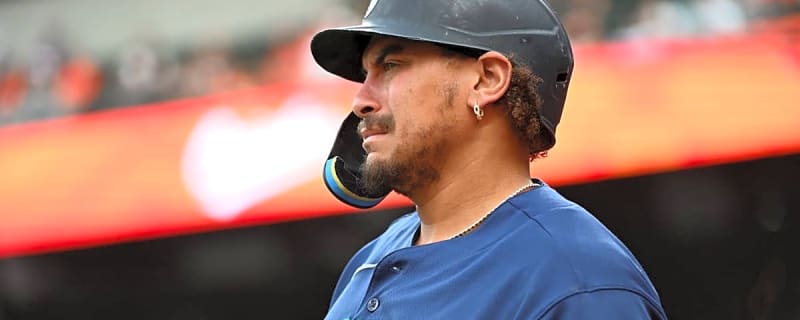
Mariners Announce Josh Naylor News After Removal From Lineup
The Seattle Mariners got two players back from the injured list ahead of Tuesday's series opener against the Baltimore Orioles, with both Cal Raleigh and J.P.
Seattle Mariners News / Minor League Baseball on SI / June 16

Don't Expect to See Kade Anderson or Ryan Sloan in Mariners' Rotation Anytime Soon
It doesn't sound like the Seattle Mariners' top two pitching prospects are being considered as options to join the big league rotation at this time. The Mariners are "reassessing" their current plans for the team's starting pitching staff, according to The Seattle Times' Adam Jude.

The 'MLB HR leaders since 1997' quiz
How many MLB home run leaders since 1997 can you name in five minutes?
Cal Raleigh News / Larry Brown Sports / June 16

Mariners get huge Cal Raleigh injury update
The Seattle Mariners have been without catcher Raleigh for a month.
Cole Young News / Stadium Rant / June 12

Seattle Mariners’ Energetic Young Core, Pitching Fueling 2026 Season
The Seattle Mariners entered the 2026 season facing familiar questions. After several years of building around a talented young core, the organization needed to prove it could consistently compete in a crowded American League landscape.
Bryan Woo News / Total Pro Sports / June 12

'Tired Of Sucking' – Bryan Woo Holds Nothing Back After Mariners Recent Loss
The Seattle Mariners are the favorites to retain the American League West title after coming to the brink of winning the pennant last year. Bryan Woo posted an outstanding campaign for the vaunted Mariners rotation, taking third place in the Cy Young race.
Emerson Hancock News / Yardbarker / June 9

Mariners SP Emerson Hancock is demonstrating why he's All-Star material
The Seattle Mariners own an elite and formidable starting rotation with the "Big Five," but their sixth man, Emerson Hancock is performing like an All-Star.
Seattle Mariners News / Yardbarker / June 8

Mariners' J.P. Crawford's injury opens the lane for one player to start
The Seattle Mariners will be without their longtime shortstop J.P. Crawford, who was placed on the 10-day injured list Monday afternoon. According to a team announcement, the Mariners have recalled infielder Ryan Bliss from Triple-A Tacoma to take Crawford's place on the active roster.
Breaking News
Trending News









Customize Your Newsletter
 +
+




Get the latest news and rumors, customized to your favorite sports and teams. Emailed daily. Always free!
MY ACCOUNT
SUBSCRIBE
ADVERTISE
JOBS
FAQ
PRIVACY POLICY COOKIE POLICY CONTACT US
ABOUT YARDBARKER TERMS OF SERVICE


PRIVACY POLICY COOKIE POLICY CONTACT US
ABOUT YARDBARKER TERMS OF SERVICE
Copyright 2026 YB Media, LLC. All rights reserved.
By using this site, you agree to our Terms of Service and Privacy Policy.
This site is for entertainment purposes only.
There is no gambling offered on this site.
Gambling Problem? Call 1-800-Gambler.

By using this site, you agree to our Terms of Service and Privacy Policy.
This site is for entertainment purposes only.
There is no gambling offered on this site.
Gambling Problem? Call 1-800-Gambler.