
-

-


Follow Us
-

 On Facebook
 On Flipboard


 Free Newsletters
 On YouTube
MLB News / Pinstripe Alley / June 21
Yankees Social Media Spotlight: The Impossible Has Happened 
It’s Sunday once more, and you know what that means — it’s time for our weekly social media roundup! Some weeks, putting together this series a bit of a slog, as I scour the web for something, anything, vaguely Yankees-related to highlight.
MLB News / Pinstripe Alley / June 21
Yankees fall asleep against Reds, lose series
I want to be more annoyed about this game, but honestly the moment that it ended I didn’t really remember much about it. There were two moments the whole game — Ben Rice hit a home run to give the Yankees the lead, Tyler Stephenson hit a three-run shot to put the Reds ahead.

Ryan Jeffers News / Athlon Sports / June 21

Yankees Making 'No Secret' of Wanting Ryan Jeffers
The New York Yankees may have identified their top target ahead of the August 3 trade deadline. In a recent article for USA Today, MLB insider Bob Nightengale mentioned that the Yankees are "making it no secret" that they want to trade for Minnesota Twins catcher Ryan Jeffers.

The 'Most K's through 30 MLB starts' quiz
How many of the starting pitchers in the MLB Live-Ball Era (since 1920) to strike out at least 180 batters in their first 30 starts can you name in six minutes?
New York Yankees News / Total Pro Sports / June 21

New York Yankees Showing Strong Interest In Securing Trade Deal For Catcher From AL Rival
The New York Yankees are setting the standard in the American League, but they are facing a conundrum with the role of the primary catcher. Austin Wells started the season in a massive slump before joining the IL earlier this month.
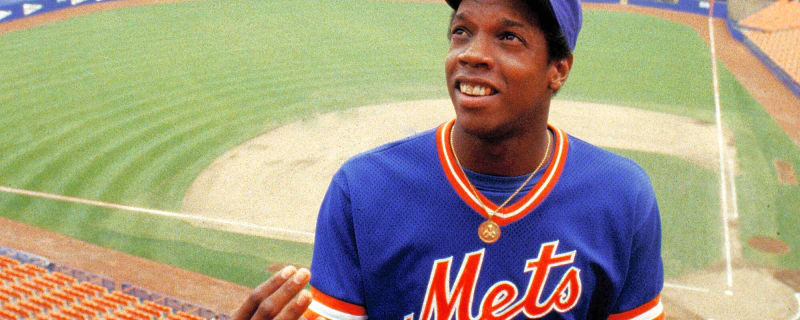
The 25 greatest rookie seasons in MLB history
Not every all-timer has instant success at the next level. For many baseball players, it takes a few bumps in the road out of the gate before they ever reach stardom.
New York Yankees News / MLB on ClutchPoints / June 21

Yankees’ Aaron Boone recalls haunting memories of Chase Burns’ debut before Father’s Day clash
The New York Yankees have been up and down over the last week, splitting their last four games ahead of Sunday’s series finale at home against the Cincinnati Reds.
Gerrit Cole News / MLB on ClutchPoints / June 21

Yankees’ Gerrit Cole shuts down injury concerns despite Sunday scratch
The New York Yankees have been playing some good baseball this season, and at this point of the year, they could afford to give a key player some rest.
New York Yankees News / MLB on ClutchPoints / June 21
Yankees ‘making no secret’ about trade they desire
The New York Yankees look to win the American League East this season, and head back to the World Series. Ahead of the Major League Baseball trade deadline, New York is looking for some help.
Jake Bird News / New York Yankees on SI / June 21

Yankees Optioning Jake Bird Opens Door for Another Reliever's MLB Return
The Yankees finally gave their bullpen a much-needed shake-up on Saturday. Following a 10-2 loss to the Reds, the Yankees announced that right-handed reliever Jake Bird—along with catcher J.C.
New York Yankees News / Pinstripe Alley / June 21
Yankees Birthday of the Day: Eddie Lopat
The nature of baseball as a sport means that you need more than just a star or two to be a good team. Just look at the Mike Trout/Shohei Ohtani era Angels.
New York Yankees News / Pinstripe Alley / June 21
The right schedule at the right time for the Yankees
The New York Yankees, even with their current absences, are a formidable squad. It’s with that established that we can open ourselves to acknowledging

Which 20 players have hit four home runs in an MLB game?
The only two things rarer in modern-day baseball than the four-homer game is the Triple Crown and the unassisted triple play. The former is, of course, done over an entire season, while there's a large level of lucky in the unassisted triple play.
New York Yankees News / New York Yankees on SI / June 21

Yankees Right to Play Long Game With Elmer Rodriguez Start No Matter the Results
When Aaron Boone announced that Elmer Rodriguez would be starting in place of Gerrit Cole, it was something that nobody saw coming. The first thought most probably had was whether one of the team's aces was hurt.
New York Yankees News / Pinstripe Alley / June 21
Yankees news: Wells, Rodríguez return in roster shake-up
New York Post | Dan Martin: After missing the past couple of weeks with cervical headaches, Austin Wells is expected to be recalled for Sunday’s game. Manager Aaron Boone said he would “likely” be in the starting lineup his first game back.



Matt Chapman News / MLB on ClutchPoints / June 20

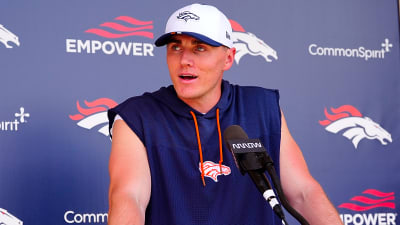
Yankees’ perfect trade offer for Giants’ Matt Chapman
The New York Yankees entered 2026 with Ryan McMahon penciled in at third base, hoping to find stability at the hot corner after acquiring him at last year’s deadline.
New York Yankees News / Larry Brown Sports / June 20

Jazz Chisholm had the wildest explanation for not wearing a cup
New York Yankees second baseman Jazz Chisholm had a rough day on Thursday, but not rough enough to get him to make a significant change to his routine.
New York Yankees News / Larry Brown Sports / June 20

Yankees minor leaguer cost his team a game with the most embarrassing effort
A New York Yankees minor leaguer will have some questions to answer after he essentially blew a game by giving up halfway through a play. The Scranton/Wilkes-Barre Railriders, the Yankees’ Triple-A affiliate, lost the first game of a doubleheader 8-7 in walkoff fashion on Friday against the Columbus Clippers at Huntington Park in Columbus, Ohio.
MLB News / Field Level Media / June 20

Reds ask Andrew Abbott to slow surging Yankees, Ben Rice
While Cam Schlittler dominates every few games, Ben Rice seemingly is productive every day for the New York Yankees. Rice is among the reasons the Yankees
MLB News / Yardbarker / June 20

Cam Schlittler creates Yankees history in 13-strikeout performance
In leading the Yankees to a 5-0 shutout win over the Cincinnati Reds, Schlittler recorded a historic performance that the fans in attendance will always remember.
New York Yankees News / Yardbarker / June 19

Three back-end relievers the Yankees should target at the MLB trade deadline
Let's explore three relievers on the trade market who would help to mend the late-inning bullpen concerns for the Yankees.
Peter Strzelecki News / MLB Trade Rumors / June 19

Peter Strzelecki Opts Out Of Deal With Yankees
Right-hander Peter Strzelecki has opted out of his minor league deal with the Yankees, reports Jon Heyman of The New York Post. The righty is now a free agent and can be pursued by any team.
New York Yankees News / MLB Trade Rumors / June 19

Yankees Hoping To Add Right-Handed-Hitting Catcher
The Yankees have gotten a disappointing season out of catcher Austin Wells so far, and his struggles have the team interested in bringing in some catching help.
Jazz Chisholm News / Larry Brown Sports / June 19
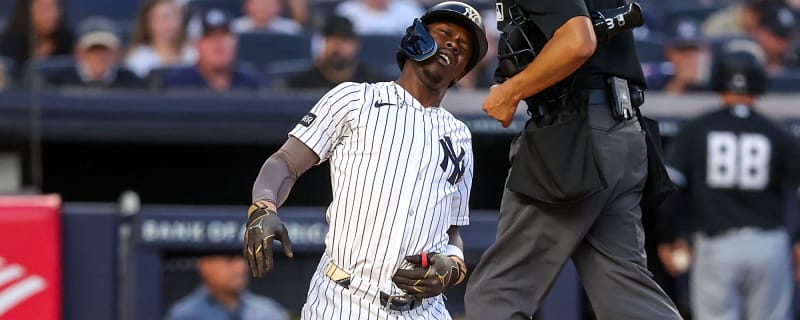
Jazz Chisholm exits game after an unfortunate foul ball to the groin
Jazz Chisholm unfortunately failed the cup check on Thursday night. The New York Yankees played on Thursday against the Chicago White Sox at Yankee Stadium in New York, N.Y.
MLB News / Yardbarker / June 18

Aaron Judge thinks Yankees following in Knicks' footsteps could change world
The closest Judge has thus far come to experiencing all that the Knicks are enjoying this spring occurred when he helped the Yankees reach the 2024 World Series.
New York Yankees News / Just Baseball / June 18

The Yankees Need to Fix Their Catcher Situation
The New York Yankees are 3.5 games ahead of the Tampa Bay Rays in the AL East standings with the All-Star break on the horizon. They have the most wins in the American League and have found offensive contributions from across their lineup to support their strong starting pitching.
Breaking News
Trending News









Customize Your Newsletter
 +
+




Get the latest news and rumors, customized to your favorite sports and teams. Emailed daily. Always free!
MY ACCOUNT
SUBSCRIBE
ADVERTISE
JOBS
FAQ
PRIVACY POLICY COOKIE POLICY CONTACT US
ABOUT YARDBARKER TERMS OF SERVICE


PRIVACY POLICY COOKIE POLICY CONTACT US
ABOUT YARDBARKER TERMS OF SERVICE
Copyright 2026 YB Media, LLC. All rights reserved.
By using this site, you agree to our Terms of Service and Privacy Policy.
This site is for entertainment purposes only.
There is no gambling offered on this site.
Gambling Problem? Call 1-800-Gambler.

By using this site, you agree to our Terms of Service and Privacy Policy.
This site is for entertainment purposes only.
There is no gambling offered on this site.
Gambling Problem? Call 1-800-Gambler.