
-

-


Follow Us
-

 On Facebook
 On Flipboard

 Free Newsletters
 On YouTube
Eli Willits News / ESPN / July 1
Willits, De Paula, Made among MLB Futures picks 
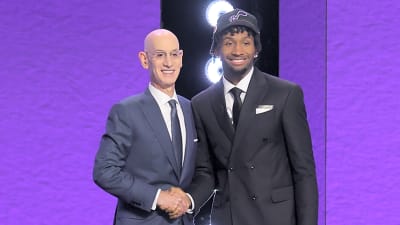
Nationals shortstop Eli Willits, the top overall pick in last year's amateur draft, was among 50 players picked Wednesday for the All-Star Futures Game at Philadelphia's Citizens Bank Park on July 12.
Cade Cavalli News / Federal Baseball / July 1
Breaking down how Cade Cavalli mowed down the Red Sox in career best start
On a crazy night at Fenway Park, Cade Cavalli easily had the best start of his career. He tore through the Red Sox lineup, generating 25 whiffs and getting 13 strikeouts.

MLB News / New Baseball Media / July 1

2026 MLB Daily Recap: Phils Shutout Pirates, Cavalli Twirls Gem
June 30 was not a bad day for the NL East at all. Four of the five teams in the division won on the 30th. Cristopher Sanchez and Cade Cavalli both tossed gems, while the Marlins’ offense took off in Colorado against the Rockies.
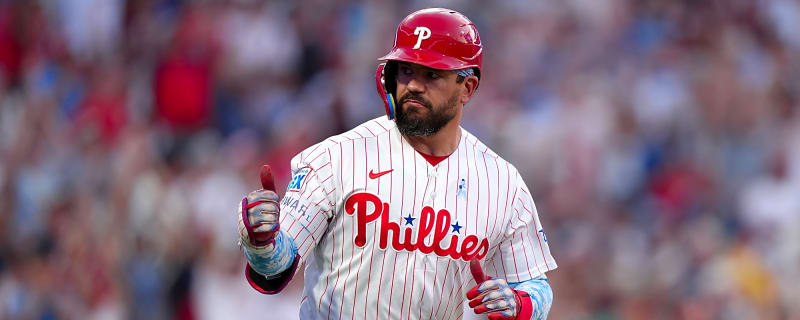
The 'Active MLB XBH leaders' quiz
How many of the active MLB players to rack up at least 500 extra base hits in their career can you name in five minutes?
Luis Garcia News / DC Sports King / July 1
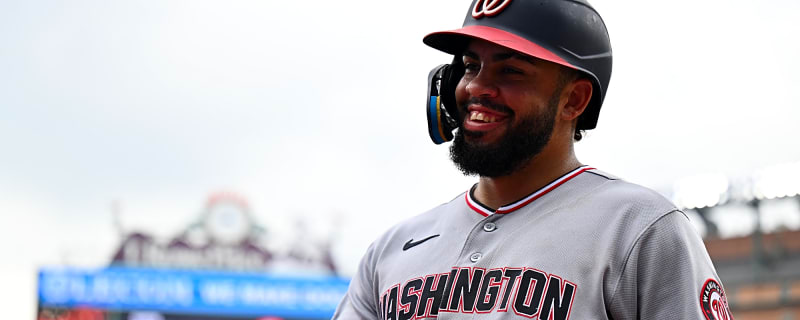
Nationals’ Luis Garcia Jr. Found His Groove with Unstoppable June
June 2026 is officially in the books, and for Washington Nationals fans, it will be remembered as the month Luis García Jr. took his game to another stratosphere.

25 MLB players most likely to be traded by the deadline
The MLB Trade Deadline has been quieter in recent years, in part due to playoff expansion, but 2026 is shaping up to be a more exciting one with several big names.
Cade Cavalli News / Field Level Media / July 1
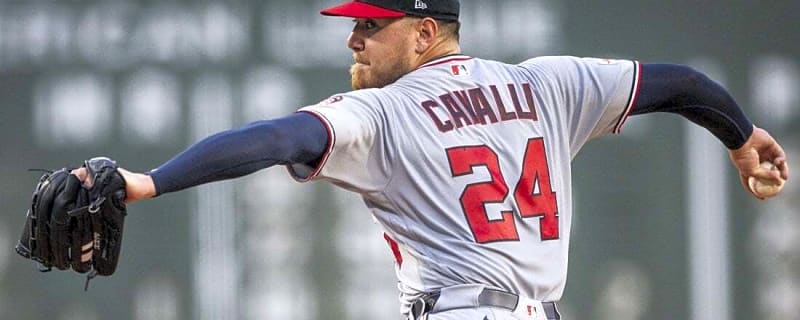
Cade Cavalli fans career-best 13 as Nationals shut down Red Sox
Cade Cavalli allowed one hit and struck out a career-high 13 batters in seven innings as the visiting Washington Nationals defeated the Boston Red Sox 8-1 on Tuesday.
MLB News / Bleacher Report / June 30
MLB News / Yardbarker / June 30

Red Sox's Willson Contreras throws helmet at Nationals' Cade Cavalli during bench-clearing brawl
For the second consecutive night, Willson Contreras of the Boston Red Sox was ejected following a strikeout. However, there were plenty more fireworks associated with his shortened night on Tuesday.

25 MLB players who could be first-time All-Stars in 2026
Being named to the Midsummer Classic is one of the biggest honors for MLB players. These 25 players have a chance to make their first All-Star appearance in 2026 based on their first-half performances.
Washington Nationals News / Washington Nationals on SI / June 30
Nationals Are Prime Candidate to Both Buy and Sell Ahead of Trade Deadline
It's unclear which direction the Washington Nationals are going to take ahead of the trade deadline. On one hand, this team entered the final day of June just 2.5 games out of the final NL Wild Card spot.



Mitchell Parker News / MLB Trade Rumors / June 30

Mitchell Parker Likely To Undergo Tommy John Surgery
The Nationals placed left-hander Mitchell Parker on the 15-day injured list yesterday with elbow inflammation. It seems he is slated to miss far longer than 15 days, however.
Washington Nationals News / Yardbarker / June 30

Nationals pitcher Mitchell Parker likely needs season-ending surgery
2026 marked the third major league season in Parker's young career, but it was on pace to be the worst.
Washington Nationals News / Washington Nationals on SI / June 30
Nationals Pipeline Report: Another Pitcher of the Week Winner, Stars Stay Hot
Things are continuing to go well on the farm for the Washington Nationals. Multiple prospects at the lower levels of their pipeline have already been promoted this year, and now others at the upper levels are starting to position themselves for either a late-season MLB debut or to finish the year in Triple-A.
Eli Willits News / Federal Baseball / June 30
Eli Willits becomes a top 3 prospect in new MLB Pipeline update
Yesterday, MLB Pipeline updated their top 100 list, which now features six Washington Nationals. The combination of depth and high end talent in the system is very impressive.
Zak Kent News / Federal Baseball / June 30
New Washington Nationals reliever Zak Kent has some intriguing traits
The Nats are in a seemingly endless search for quality MLB relievers, so every time I see an interesting one, I will write about it. After the disaster against the Phillies, the Nats decided to recall Zak Kent.
Washington Nationals News / Washington Nationals on SI / June 30

High-Leverage Bullpen Arm Is Clear Need of Nationals If They Buy at Deadline
There is still a ways to go before the trade deadline arrives on Aug. 3, but the Washington Nationals have put themselves in a spot where the front office has to make a tough decision about the direction of the franchise.
Trevor Williams News / Washington Nationals on SI / June 29
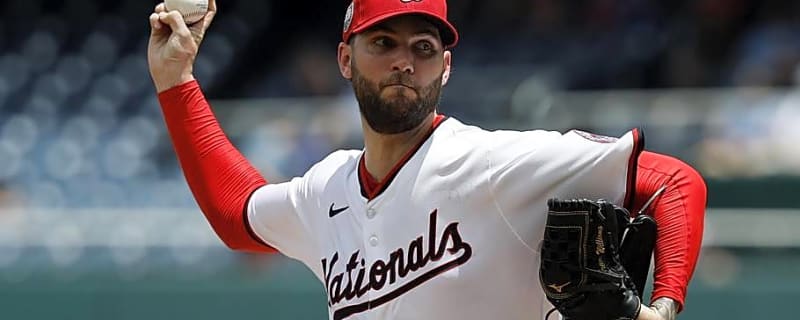
Injured Nationals Pitcher Trevor Williams Made His Return to Mound With Mixed Results
The Washington Nationals need pitching from anywhere they can get it right now. It seemed like left-hander DJ Herz was going to be the first reinforcement to return for the Nationals after he begun his rehab assignment.
Jhancarlos Lara News / MLB Trade Rumors / June 29
Nationals Outright Jhancarlos Lara
The Nationals announced that right-hander Jhancarlos Lara cleared outright waivers and has been assigned to Double-A Harrisburg. This is his first career outright assignment and he has less than three years of service time, so he does not have the right to elect free agency.
Luis Garcia News / Yardbarker / June 28

Luis Garcia Jr. fuels Nationals' win with second multi-HR game of June
Closing out the month the same way he opened it, Washington Nationals first baseman Luis García Jr. powered his team to a 6-4 victory over the Baltimore
MLB News / Field Level Media / June 27

Nationals pull out win in 10th over Orioles to end skid
Washington's Daylen Lile singled in the tiebreaking run with the first at-bat in the 10th inning and the visiting Nationals held on to halt a four-game losing streak with a 4-3 victory against the Baltimore Orioles on Saturday night.
Bryce Harper News / Larry Brown Sports / June 26

Bryce Harper addresses his gesture toward Nationals fans
Bryce Harper’s gesture toward Washington Nationals fans was not what it looked like, so he says.
Dylan Crews News / Just Baseball / June 25

Is It Time To Worry About Dylan Crews?
When the 2023 MLB draft rolled around, two LSU teammates were the main focus. Pitcher Paul Skenes was the high-upside arm in the draft, while the rest of the top five was hitter focused.
Curtis Mead News / Athlon Sports / June 24

Curtis Mead Has a 135 wRC+ and His xwOBA Confirms Every Bit of It
Curtis Mead is rostered in just 18% of Yahoo! fantasy baseball leagues. While you’ve probably noticed that he was available on your league’s waiver wire, you may have been reluctant to snatch him up based on his .221 BA through his first 64 games.
CJ Abrams News / MLB on ClutchPoints / June 23

Nationals slugger CJ Abrams scratched late vs. Phillies with side tightness
The Washington Nationals scratched shortstop CJ Abrams from Tuesday night’s matchup vs. the Philadelphia Phillies because of left side tightness. The late change came shortly before first pitch, creating a notable absence for the Nationals in a key NL East matchup.
DJ Herz News / MLB Trade Rumors / June 23

Nationals Shut Down DJ Herz With Flexor Muscle Strain
Nationals left-hander DJ Herz suffered a setback in his recovery from last year’s Tommy John procedure. Skipper Blake Butera told reporters (including Byron Kerr of MLB.com) that the southpaw has been pulled off his rehab assignment after suffering a flexor muscle strain.
Breaking News
Trending News







Customize Your Newsletter
 +
+




Get the latest news and rumors, customized to your favorite sports and teams. Emailed daily. Always free!
MY ACCOUNT
SUBSCRIBE
ADVERTISE
JOBS
FAQ
PRIVACY POLICY COOKIE POLICY CONTACT US
ABOUT YARDBARKER TERMS OF SERVICE


PRIVACY POLICY COOKIE POLICY CONTACT US
ABOUT YARDBARKER TERMS OF SERVICE
Copyright 2026 YB Media, LLC. All rights reserved.
By using this site, you agree to our Terms of Service and Privacy Policy.
This site is for entertainment purposes only.
There is no gambling offered on this site.
Gambling Problem? Call 1-800-Gambler.

By using this site, you agree to our Terms of Service and Privacy Policy.
This site is for entertainment purposes only.
There is no gambling offered on this site.
Gambling Problem? Call 1-800-Gambler.