
-

-


Follow Us
-

 On Facebook
 On Flipboard


 Free Newsletters
 On YouTube
Texas Rangers News / Field Level Media / June 27

Jake Burger has big day as Rangers continue hot streak vs. Blue Jays
Jake Burger had three hits and two RBIs Saturday afternoon and the visiting Texas Rangers defeated the Toronto Blue Jays 7-4. Corey Seager added a solo home run for the Rangers, who have won the first three games of the four-game series.

Dylan Cease News / Lone Star Ball / June 27
41-42 – Rangers issue Cease and desist to Blue Jays with 7-4 win 
The Texas Rangers scored seven runs while the Toronto Blue Jays scored four runs. I was thinking it. You were thinking it. We were all thinking it. The
Wyatt Langford News / Texas Rangers on SI / June 27

Rangers Scratch Wyatt Langford from Lineup with Hamstring Tightness
The Texas Rangers are back on Wyatt Langford injury watch after he was scratched from the lineup just before Saturday's first pitch against the Toronto Blue Jays.
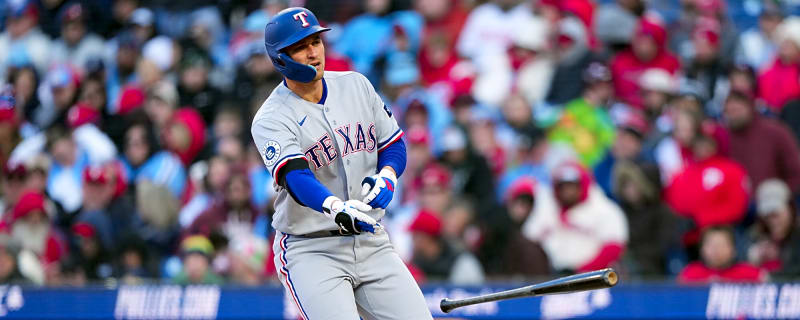
The 'MLB playoff HR leaders' quiz
In the history of MLB, 31 players have hit 13 or more home runs in the postseason over the course of their careers. How many can you name in six minutes?
Texas Rangers News / Lone Star Ball / June 27
Texas Rangers lineup for June 27, 2026
Texas Rangers lineup for June 27, 2026 against the Toronto Blue Jays: starting pitchers are Cal Quantrill for the Rangers and Dylan Cease for the Blue Jays.

25 MLB players most likely to be traded by the deadline
The MLB Trade Deadline has been quieter in recent years, in part due to playoff expansion, but 2026 is shaping up to be a more exciting one with several big names.

MLB News / Texas Rangers on SI / June 27

Three Rangers Matchups That Matter as Lineup Set for Blue Jays, Dylan Cease
The Texas Rangers hope to avoid the traps of the past two games as they prepare to face the Toronto Blue Jays on Saturday. In both wins on Thursday and Friday, the Rangers took big leads early and then had to scramble to win the game.
Texas Rangers News / Lone Star Ball / June 27
Saturday morning Rangers stuff
Good morning, LSB. The Rangers held on for a win against the Blue Jays yesterday. Justin Foscue drove in half the Rangers runs on a big night. It was a night that Foscue apparently predicted for himself.
Texas Rangers News / Lone Star Ball / June 27
Minor league update for 6/26/26
Hickory starter Dan Keaney made his second start for the Crawdads this season, and still hasn’t allowed a run, going 4.1 IP, striking out six and walking one.
Kumar Rocker News / Texas Rangers on SI / June 27

Rangers Starting Kumar Rocker Runs Against Grain of His Opener Success
The Texas Rangers left their Saturday and Sunday rotation spots open going into Friday’s game. But, during pre-game, manager Skip Schumaker filled one of them.
Texas Rangers News / Lone Star Ball / June 27
Thoughts on a 5-4 Rangers win
Rangers 5, Blue Jays 4 Its a two game winning streak, y’all. And a win that is thanks in large part to our man Nathan Eovaldi. In the first game against Toronto, MacKenzie Gore allowed four hits and a walk in seven innings, but clustered most of them together in one inning, resulting in three runs scoring.
Texas Rangers News / Field Level Media / June 26

Rangers' Nathan Eovaldi blanks Jays for 7 innings in victory
Nathan Eovaldi struck out nine in seven scoreless innings Friday night and the visiting Texas Rangers held on to defeat the Toronto Blue Jays 5-4. Eovaldi (8-7) allowed five hits and one walk before leaving with a 5-0 lead.


25 MLB players who could be first-time All-Stars in 2026
Being named to the Midsummer Classic is one of the biggest honors for MLB players. These 25 players have a chance to make their first All-Star appearance in 2026 based on their first-half performances.
MLB News / Lone Star Ball / June 26
40-42 – Rangers play it back, hang on to beat Blue Jays 5-4
The Texas Rangers scored five runs while the Toronto Blue Jays scored four runs. Remember last night when the Rangers scored a bunch of runs early and then gently moseyed to a victory over the Blue Jays despite their lead shrinking to almost nothing late?
Texas Rangers News / Texas Rangers on SI / June 26

Gleider Figuereo Posts Huge Game as Rangers Should Contemplate Promotion
Gleider Figuereo is 21 years old but he’s already a Texas Rangers minor league veteran. The former international signing out of the Dominican Republic joined the organization in 2021.


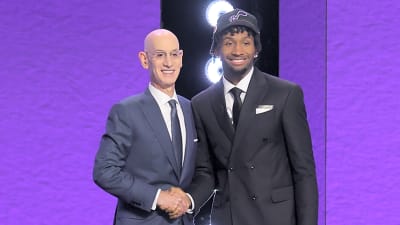


Texas Rangers News / Texas Rangers on SI / June 26

Why Corey Seager Isn’t in Rangers Starting Lineup Against Patrick Corbin
The Texas Rangers have a plan for Corey Seager. The shortstop won’t be in the starting lineup on Friday against the Toronto Blue Jays. Seager returned
Texas Rangers News / Field Level Media / June 26

Rangers vie to ride power surge into rematch vs. Jays
The visiting Texas Rangers are off to a good start in their four-game series against the Toronto Blue Jays, and they will aim to continue it Friday night.
Blaine Crim News / MLB Trade Rumors / June 24
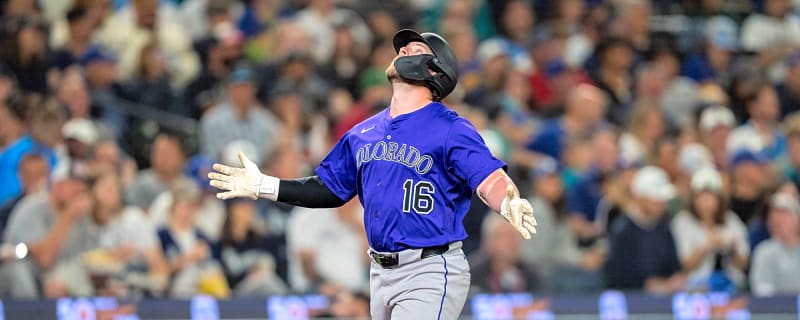
Rangers Release Blaine Crim To Pursue Opportunity In Asia
The Rangers have placed first baseman Blaine Crim on release waivers, as first reflected on the MLB.com transaction log. Evan Grant of The Dallas Morning News reports that the 29-year-old intends to sign with a team in Asia.
Texas Rangers News / MLB on ClutchPoints / June 24

Rangers receive important Corey Seager, Jordan Montgomery injury updates
The Texas Rangers are still waiting for two key pieces to return, but the latest injury updates on Corey Seager and Jordan Montgomery give fans something real to monitor.
Winston Santos News / MLB Trade Rumors / June 24

Rangers Promote Winston Santos
The Rangers announced this morning that they’ve recalled righty Winston Santos from Double-A Frisco. Fellow right-hander Jose Corniell was optioned to Triple-A Round Rock to open a spot on the active roster.
Jack Leiter News / Athlon Sports / June 23

Rangers Announce Jack Leiter Injury Update Following Surgery
With the Texas Rangers battling for position in the competitive AL West division, they learned that they will be without starting pitcher Jack Leiter for a lengthy period of time.
Texas Rangers News / MLB Trade Rumors / June 23

Rangers, Austin Wynns Agree To Minor League Deal
The Rangers and veteran catcher Austin Wynns are in agreement on a minor league contract, as first indicated by their transaction log at MLB.com. Wynns, a client of Klutch Sports, joins his fourth organization of the season — his third in the American League West.
Texas Rangers News / MLB on ClutchPoints / June 23

The elite MLB Draft prospect modeling his game after Rangers’ Corey Seager
The 2026 MLB Draft is set to begin in mid-July, and there are numerous high-quality prospects available in this year’s class. One of the elite prospects this year is a shortstop many believe has the potential to become a star in the major leagues.
Wyatt Langford News / Athlon Sports / June 22

Wyatt Langford Is Hitting .414 in His Last Seven Games. Here's Why Fantasy Managers Should Sell High.
Wyatt Langford has been giving off some serious “Rookie of the Year” vibes this month. The Rangers outfielder has been a player possessed since returning from an right forearm strain IL stint on June 5.
Jack Leiter News / Athlon Sports / June 21

Rangers Make Unexpected Jack Leiter Roster Decision
The Texas Rangers are going to be without a key member of their starting rotation for the next couple of weeks. Before Sunday's series finale against the San Diego Padres, the Rangers placed starter Jack Leiter on the 15-day injured list with a right ankle posterior impingement.

The 'Most 250-K MLB seasons' quiz
How many of the 25 MLB pitchers in the Live-Ball Era to strikeout at least 250 batters in multiple seasons can you name in five minutes?
Breaking News
Trending News








Customize Your Newsletter
 +
+




Get the latest news and rumors, customized to your favorite sports and teams. Emailed daily. Always free!
MY ACCOUNT
SUBSCRIBE
ADVERTISE
JOBS
FAQ
PRIVACY POLICY COOKIE POLICY CONTACT US
ABOUT YARDBARKER TERMS OF SERVICE


PRIVACY POLICY COOKIE POLICY CONTACT US
ABOUT YARDBARKER TERMS OF SERVICE
Copyright 2026 YB Media, LLC. All rights reserved.
By using this site, you agree to our Terms of Service and Privacy Policy.
This site is for entertainment purposes only.
There is no gambling offered on this site.
Gambling Problem? Call 1-800-Gambler.

By using this site, you agree to our Terms of Service and Privacy Policy.
This site is for entertainment purposes only.
There is no gambling offered on this site.
Gambling Problem? Call 1-800-Gambler.