
-

-


Follow Us
-

 On Facebook
 On Flipboard


 Free Newsletters
 On YouTube
Taj Bradley News / Inside The Diamonds / July 2

Minnesota Twins Notebook: Bradley Dominance Helps Twins Secure Series Win, A Deeper Look at Developing Talent in Triple-A, & More
The Minnesota Twins currently hold a 42-46 record and sit in third place in the American League Central. Over the last 24 hours, the team secured a series victory in Houston.
Walker Jenkins News / Minnesota Twins on SI / July 2
Twins Prospect Walker Jenkins' Quick Reactions Help Ailing Young Fan
Top Twins prospect Walker Jenkins did more than just crush pitches in the St. Paul Saints' 12-6 win on Tuesday night at CHS Field. Before the first pitch was even thrown in St.
Minnesota Twins News / Twinkie Town / July 2
Twins Top 40 Prospects: July 2026 
A new month brings a new top prospects list, and with a handful of top prospects on the shelf, it wasn’t a particularly exciting month in the Twins system, but it also put more focus on some of the under-the-radar prospects who have begun to look like MLB-caliber talents.
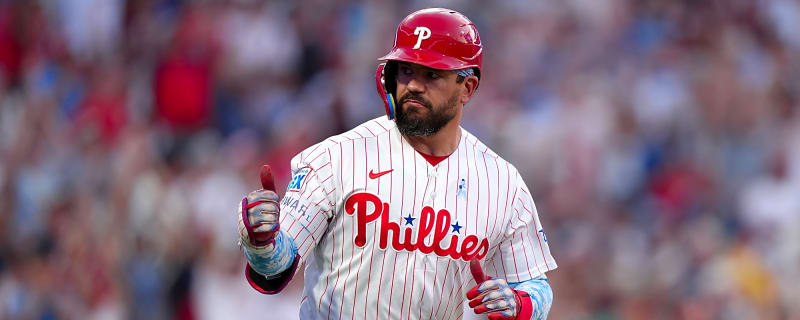
The 'Active MLB XBH leaders' quiz
How many of the active MLB players to rack up at least 500 extra base hits in their career can you name in five minutes?
Minnesota Twins News / Field Level Media / July 2

Taj Bradley (11 K's) backed by 3 HRs as Twins top Astros
Josh Bell, Kody Clemens and Luke Keaschall belted home runs while Taj Bradley matched his career high for strikeouts as the visiting Minnesota Twins claimed the rubber match of their three-game series against the Houston Astros with an 8-3 victory on Wednesday.

25 MLB players most likely to be traded by the deadline
The MLB Trade Deadline has been quieter in recent years, in part due to playoff expansion, but 2026 is shaping up to be a more exciting one with several big names.

MLB News / Twinkie Town / July 1
Twins 8, Astros 3: Taj and go
Well, the sun beats down on Houston’s heavy night, All bathed in gaudy light, Ready to take the mound: Stepping on a Texas diamond, you can hurl, The ball a spinning pearl All of their batters swung and frowned.
MLB News / Twinkie Town / June 30
Astros 6, Twins 4: Alvarez’s Grand Slam sinks Twins
The Twins jumped out to an early lead against Mike Burrows in the 1st inning. Two walks and a single set up Victor Caratini with the bases loaded, who earned a painful RBI after he was hit by the pitch, scoring Trevor Larnach.

Yordan Alvarez News / Yardbarker / June 30

Astros' Yordan Alvarez furthers MVP case, makes history with monster grand slam
With one swing of the bat that further argues MVP consideration and makes history, Yordan Alvarez powered the Houston Astros to a much-needed win.
Byron Buxton News / Field Level Media / July 1
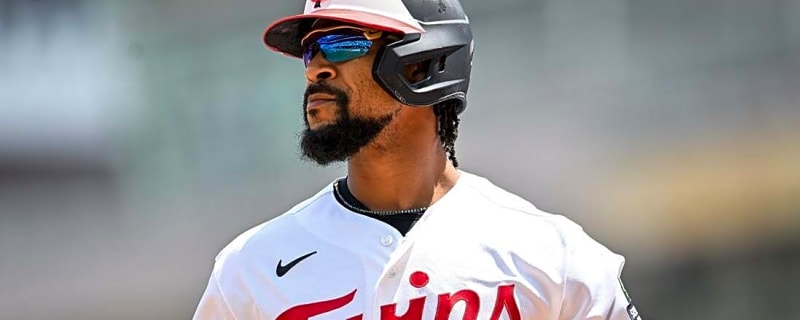
Twins CF Byron Buxton is day-to-day due to hip impingement
Minnesota Twins center fielder Byron Buxton is expected to miss at least a few more days after an MRI revealed a right hip impingement, but the team is not planning to place him on the injured list for now.
Zebby Matthews News / Inside The Diamonds / June 30

Minnesota Twins Notebook: Twins Use the Long Ball, Matthews Goes Seven Strong, Bullpen Hangs On, & More
The Minnesota Twins hold a 41-45 record following a narrow road victory over the Houston Astros. Over the last 24 hours, the club survived a shaky ninth-inning rally to win 5-4.
Minnesota Twins News / Field Level Media / June 30
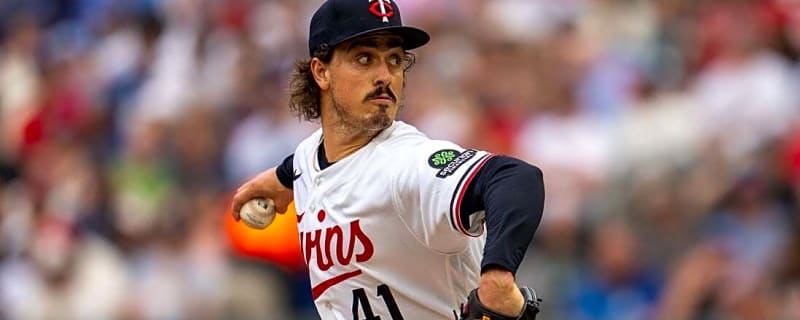
'Resilient' Twins turn to Joe Ryan in effort to take series vs. Astros
The Minnesota Twins were dealt a pair of roster blows before the opener of their three-game series in Houston on Monday, and their collective response to the bad news resonated.

25 MLB players who could be first-time All-Stars in 2026
Being named to the Midsummer Classic is one of the biggest honors for MLB players. These 25 players have a chance to make their first All-Star appearance in 2026 based on their first-half performances.
Anthony Banda News / MLB Trade Rumors / June 29

Anthony Banda To Miss Months With Significant Lat Strain
The Twins placed left-hander Anthony Banda on the 15-day injured list today. Right-hander Cody Laweryson was recalled as the corresponding move. Manager Derek Shelton tells Matthew Leach of MLB.com that Banda’s injury is significant, with his recovery to take months rather than weeks.
Minnesota Twins News / CricTracker / June 27
Former England World Cup-winner Liam Plunkett makes his professional baseball debut
Former England fast bowler Liam Plunkett, who formed part of the 2019 World Cup-winning squad, recently made his professional debut in baseball, turning




Royce Lewis News / MLB on ClutchPoints / June 27

Twins’ Royce Lewis walks off Rockies with epic 10th inning hit
The Minnesota Twins survived a dramatic late collapse to defeat the Colorado Rockies 9-8 in 10 innings Friday night at Target Field, thanks to Royce Lewis’ first walk-off hit of his career.
Austin Voth News / MLB Trade Rumors / June 26

Austin Voth Elects Free Agency
Right-hander Austin Voth cleared outright waivers and elected free agency, reports Bobby Nightengale of the Minnesota Star Tribune. Voth was designated for assignment by the Twins two days ago.
Joe Ryan News / Just Baseball / June 26
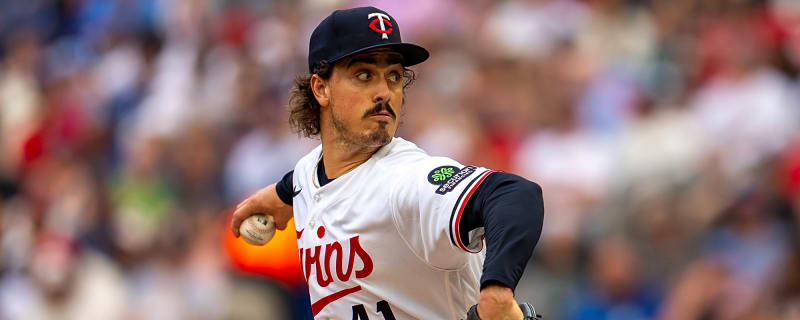
Joe Ryan Will Be the Top Trade Chip on the Market
As the 2026 MLB season progresses and the All-Star break approaches, rumors have already begun to swirl regarding the trade market. Many teams will be in need of pitching and there are some big names that could potentially become available before the deadline.
Luke Keaschall News / MLB Trade Rumors / June 26
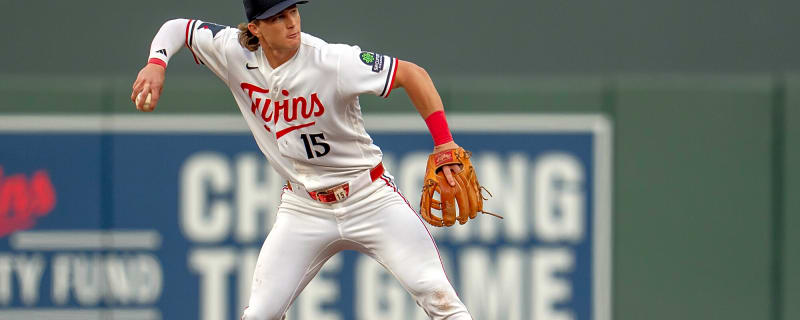
Twins Likely To Get Luke Keaschall Outfield Playing Time
For the first time in his MLB career, Luke Keaschall played the outfield on Saturday. The Twins sent him out to right field for the final inning of a 16-8 win over the Diamondbacks.

Mookie Betts News / Yardbarker / June 24

Mookie Betts crushes milestone HR to lead Dodgers to win over Twins
Winning is always the most important thing for a team like the back-to-back champion Los Angeles Dodgers, but winning while a star player reaches a career milestone makes the victory even sweeter.
Mick Abel News / Athlon Sports / June 24

Twins Provide Mick Abel Update After Injury Setback
After it appeared that Minnesota Twins starter Mick Abel was on the verge of returning from his elbow injury, a setback during a bullpen session has put his future in doubt.
Chicago Cubs News / Yardbarker / June 24

Three starting pitchers the Cubs should target ahead of the deadline
The Cubs need pitching help as they look to make a postseason push. Here are three players the club could target.
Byron Buxton News / MLB on ClutchPoints / June 23
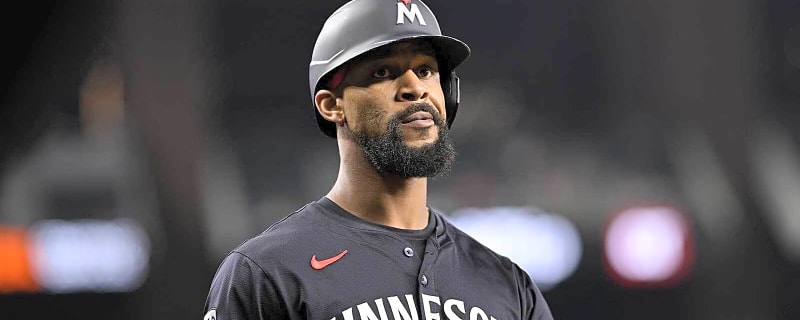
Twins GM dismisses Byron Buxton trade rumors with strong statement
While some trade rumors involving Minnesota Twins star Byron Buxton have swirled in recent weeks, it seems as if a deal is unlikely to come to fruition.
Minnesota Twins News / Just Baseball / June 23
The Twins Could Be Buyers at the Trade Deadline
Most of the so-called experts in baseball expect the Minnesota Twins to be sellers once again at the 2026 MLB Trade Deadline. And probably with good reason.
Minnesota Twins News / Athlon Sports / June 22

Source: Where the Twins Stand With MLB Trade Deadline 6 Weeks Away
The Minnesota Twins have some attractive trade chips with the August 3 MLB trade deadline just six weeks away. While they enter play on Monday with a record of 38-41, the question that remains is whether the Twins are going to sell or not given they're only one game out of the third and final Wild Card spot in a weak American League.
Jim Abbott News / Yardbarker / June 22

Former Yankees pitcher Jim Abbott set to receive well-deserved honor at 2026 ESPY Awards
Abbott inspired many throughout his 10-year MLB career.
Joe Ryan News / Yardbarker / June 17

Three potential landing spots for Twins' Joe Ryan
Minnesota Twins pitcher Joe Ryan has become one of the top highly sought-after aces on the trade market this season.
Breaking News
Trending News






Customize Your Newsletter
 +
+



Get the latest news and rumors, customized to your favorite sports and teams. Emailed daily. Always free!
MY ACCOUNT
SUBSCRIBE
ADVERTISE
JOBS
FAQ
PRIVACY POLICY COOKIE POLICY CONTACT US
ABOUT YARDBARKER TERMS OF SERVICE


PRIVACY POLICY COOKIE POLICY CONTACT US
ABOUT YARDBARKER TERMS OF SERVICE
Copyright 2026 YB Media, LLC. All rights reserved.
By using this site, you agree to our Terms of Service and Privacy Policy.
This site is for entertainment purposes only.
There is no gambling offered on this site.
Gambling Problem? Call 1-800-Gambler.

By using this site, you agree to our Terms of Service and Privacy Policy.
This site is for entertainment purposes only.
There is no gambling offered on this site.
Gambling Problem? Call 1-800-Gambler.