
-

-


Follow Us
-

 On Facebook
 On Flipboard


 Free Newsletters
 On YouTube
New York Yankees News / Pinstripe Alley / June 30
Yankees prospects: Wilberson De Pena continues bullying Rookie ball 
Triple-A Scranton/Wilkes-Barre RailRiders: Offday (but it didn’t stop the injury bug that’s crushed the majors to hit them, too; recently-promoted and
New York Yankees News / Pinstripe Alley / June 30
Who’s most likely to jumpstart the offense?
The worst-kept secret about the Yankees right now is that they’re hurting for some offensive fireworks. With Aaron Judge, Giancarlo Stanton, Trent Grisham, and Ryan McMahon all on the IL right now, over a third of the starting lineup is missing and the consequences can be felt in their five-game losing streak.
Jazz Chisholm News / Pinstripe Alley / June 30
Yankees news: Jazz Chisholm Jr. leaves Monday’s game with injury
NBC Sports: In case you missed it, Jazz Chisholm Jr. exited Monday’s game against the Tigers early. While tracking a fly ball, he collided with Jasson Domínguez, taking the outfielder’s arm straight to the head.

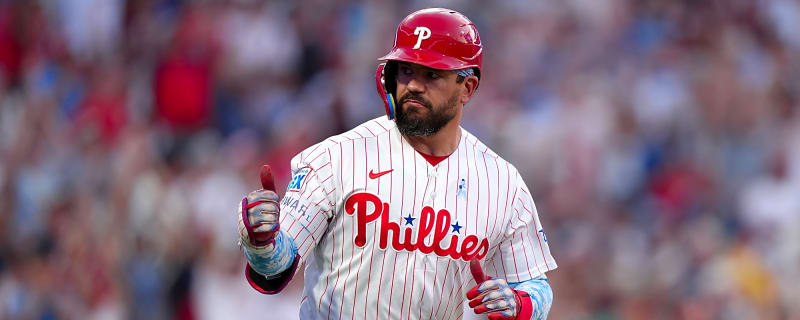
The 'Active MLB XBH leaders' quiz
How many of the active MLB players to rack up at least 500 extra base hits in their career can you name in five minutes?

25 MLB players most likely to be traded by the deadline
The MLB Trade Deadline has been quieter in recent years, in part due to playoff expansion, but 2026 is shaping up to be a more exciting one with several big names.
New York Yankees News / Larry Brown Sports / June 29

Jazz Chisholm in concussion protocol after getting clotheslined by his own teammate
A scary scene unfolded for the New York Yankees on Monday that ended with Jazz Chisholm Jr. in concussion protocol. The Yankees outfielder Jasson Dominguez accidentally clotheslined Chisholm as the two simultaneously tracked a fly ball in the top of the 4th inning at Yankee Stadium in the Bronx, N.Y.

MLB News / Yardbarker / June 29
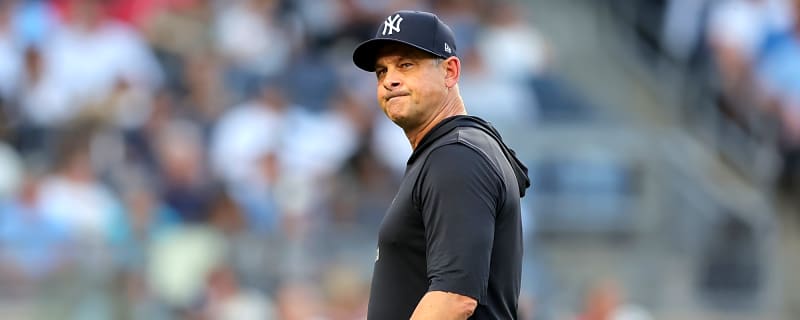
Yankees offense has taken a detour with fifth consecutive loss
The Detroit Tigers handed the Yankees their fifth consecutive loss with a 7-3 victory on Monday night following a four-game sweep from the Boston Red Sox.

25 MLB players who could be first-time All-Stars in 2026
Being named to the Midsummer Classic is one of the biggest honors for MLB players. These 25 players have a chance to make their first All-Star appearance in 2026 based on their first-half performances.
New York Yankees News / Field Level Media / June 29

Yankees 2B Jazz Chisholm Jr. exits vs. Tigers after collision
New York Yankees second baseman Jazz Chisholm Jr. exited Monday's game in the fourth inning against the Detroit Tigers after colliding with right fielder Jasson Dominguez.
Cody Bellinger News / Viral Sports News / June 29

Yankees Star’s Incredibly Weird Stat Will Have Fans Flummoxed
New York Yankees outfielder Cody Bellinger has been a tremendous pickup after since coming over in a trade with the Chicago Cubs in December 2024. The




New York Yankees News / Athlon Sports / June 29
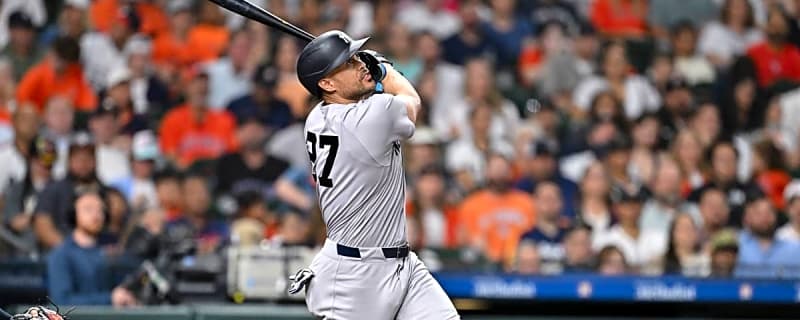
Yankees Announce Updates on Giancarlo Stanton, Max Fried
The injury-riddled New York Yankees got much-needed good news on two of their sidelined superstars. Before their game on Monday, Yankees manager Aaron Boone told the media that left-handed starter Max Fried (left elbow bone bruise), who has been on the injured list since May 16, will throw a live batting practice session on Tuesday.
Cody Bellinger News / Athlon Sports / June 29
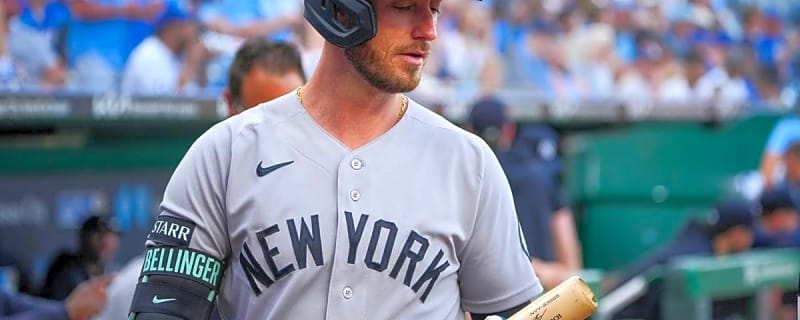
Yankees Make Cody Bellinger Request Before Tigers Game
Outfielder Cody Bellinger inked a five-year, $162.5 million contract with the New York Yankees ahead of the 2026 MLB season. The signing was divisive at first, but halfway through year one fans seem to be on the same page.
Adley Rutschman News / New York Yankees on SI / June 29

Yankees' Top Catcher Trade Target Is Clear as Door Seemingly Closes on Adley Rutschman Dream
A brand-new catcher is atop most Yankees fans' trade wishlists as the 2026 MLB trade deadline sits five weeks out. Despite the confidence that the team seems to have in him, Austin Wells's bat isn't talented enough to be an everyday option.
Trent Grisham News / Athlon Sports / June 29

Yankees Provide Trent Grisham Update
The New York Yankees announced some promising news on their center fielder. Yankees manager Aaron Boone told reporters on Monday that Trent Grisham could rejoin the team either on Wednesday or Friday.
David Bednar News / Field Level Media / June 29

Yankees place closer David Bednar on paternity list
The New York Yankees placed right-handed closer David Bednar on the paternity list and recalled right-hander Jake Bird from Triple-A Scranton Wilkes-Barre to fill his roster spot ahead of Monday's home series opener against the Detroit Tigers.
Austin Wells News / New York Yankees on SI / June 29

Yankees' Faith in Austin Wells Is Misguided With Trade Deadline Around the Corner
The Yankees' Austin Wells is one of the worst everyday hitters in baseball. As it stands, Wells' 42 wRC+ is the fourth worst in baseball, behind fellow catchers Edgar Quero and Patrick Bailey.
Aaron Boone News / Viral Sports News / June 29

Yankees’ Aaron Boone Makes Surprising Admission After Red Sox Sweep
The New York Yankees have hit a rough patch in recent weeks, managing just three victories across their past 10 contests. This skid reached a low point over the weekend as the team suffered a complete four-game sweep at the hands of their longtime rivals, the Boston Red Sox.
New York Yankees News / Yardbarker / June 29

Former Yankees star Anthony Rizzo calls out 'immaturity' from Jazz Chisholm Jr.
Chisholm continues to make the rounds for all the wrong reasons.
New York Yankees News / Viral Sports News / June 29

Yankees’ Emerging 6-foot-7 Prospect is Suddenly a Top Trade Chip
The New York Yankees are absolutely loaded with pitching prospects, with Carlos Lagrange, Elmer Rodriguez and Ben Hess representing the cream of the crop in their system.
Kyle Carr News / Inside The Diamonds / June 29
Eastern League Around The Horn: First Week of the Second Half Ends with Six Teams Carrying Winning Records
Fisher Cats, Portland, Richmond, Harrisburg, Erie, and Reading all win their series. Purchase tickets via Ticketmaster Somerset scored three in the first.
Ben Rice News / New York Yankees on SI / June 29

June Swoon Ends Yankees' Ben Rice's AL MVP Bid
The numbers never lie. And that's not a good thing for Yankees first baseman Ben Rice. Through the first two months of the season, Rice looked like a legitimate American League MVP candidate.
Carlos Rodon News / Total Apex Fantasy Sports / June 29

Yankees Swept By Red Sox After Carlos Rodon’s Rough 4th Inning
The Yankees needed to win this game after dropping the first three in Boston. They did not and lost, 5-4. Carlos Rodon threw a lot of pitches and particularly struggled in the fourth inning.
MLB News / Field Level Media / June 29

Yankees return home after dismal road trip to face Tigers
Manager Aaron Boone hardly minced words when describing the frustrating sight of the New York Yankees experiencing a difficult weekend at Fenway Park. After their worst series of the season, the Yankees hope to avoid a fifth straight loss Monday night when they host the Detroit Tigers in the opener of a three-game set.
New York Yankees News / New York Yankees on SI / June 28

This Isn't the Same June Swoon for the Yankees as Last Year
June was the New York Yankees' worst month in 2025, and had they been a little better, they probably would have won the American League East. They went 13-14 before finally stabilizing in August and September.
Gerrit Cole News / Yardbarker / June 28

Yankees may have Gerrit Cole problem after terrible outing vs. Red Sox
New York Yankees ace Gerrit Cole started at Fenway Park in Boston for the first time since 2022 on Saturday. It wasn't a triumphant return.
Henry Lalane News / Empire Sports Media / June 27

Yankees’ Henry Lalane twirls 12 strikeouts in lights out performance
Henry Lalane’s story with the Yankees’ organization seemed to be written; a sad story about a talented left-hander who lost the zip on his fastball due to various injuries.
Breaking News
Trending News







Customize Your Newsletter
 +
+




Get the latest news and rumors, customized to your favorite sports and teams. Emailed daily. Always free!
MY ACCOUNT
SUBSCRIBE
ADVERTISE
JOBS
FAQ
PRIVACY POLICY COOKIE POLICY CONTACT US
ABOUT YARDBARKER TERMS OF SERVICE


PRIVACY POLICY COOKIE POLICY CONTACT US
ABOUT YARDBARKER TERMS OF SERVICE
Copyright 2026 YB Media, LLC. All rights reserved.
By using this site, you agree to our Terms of Service and Privacy Policy.
This site is for entertainment purposes only.
There is no gambling offered on this site.
Gambling Problem? Call 1-800-Gambler.

By using this site, you agree to our Terms of Service and Privacy Policy.
This site is for entertainment purposes only.
There is no gambling offered on this site.
Gambling Problem? Call 1-800-Gambler.