
-

-


Follow Us
-

 On Facebook
 On Flipboard
 Free Newsletters
 On YouTube
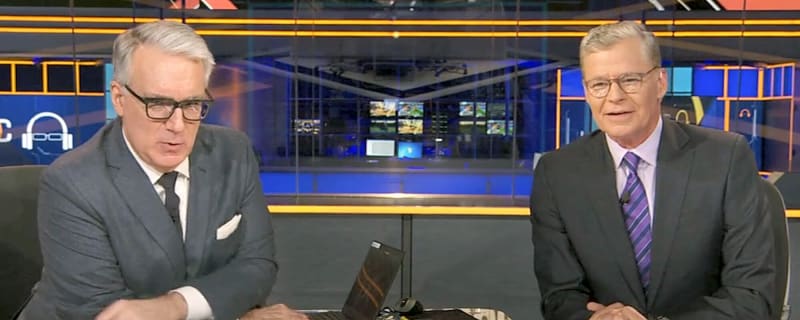
The 25 greatest ESPN anchors of all time
In the late 1970s, in the middle-of-nowhere town of Bristol, Conn., ESPN was born. Over the years, it's become the foremost authority in sports media. It has showcased some of the most notable and recognizable sports media personalities to sit behind an anchor desk.

Arkansas Razorbacks News / Arkansas Razorbacks on SI / December 20

ESPN doc doesn't get it: Scott stood for more, including white kids in South Arkansas
One ESPN commercial and a single word brought back a flood of a golden age of sports in Arkansas. "Boo-Yah!" For anyone who understand the reference, they understand how to handle life.
NBA News / Total Apex Sports / December 8

Stuart Scott: The Voice That Changed the Game Forever
If you grew up watching “SportsCenter” in the ’90s, you didn’t just watch highlights. You tuned in to see who was delivering them. And nobody did it quite like Stuart Scott.

ESPN Announces Special Tribute For Legendary Broadcaster Stuart Scott
It's been nearly 11 years since the sports media world lost the great ESPN sportscaster and anchor Stuart Scott following a hard-fought battle against cancer.
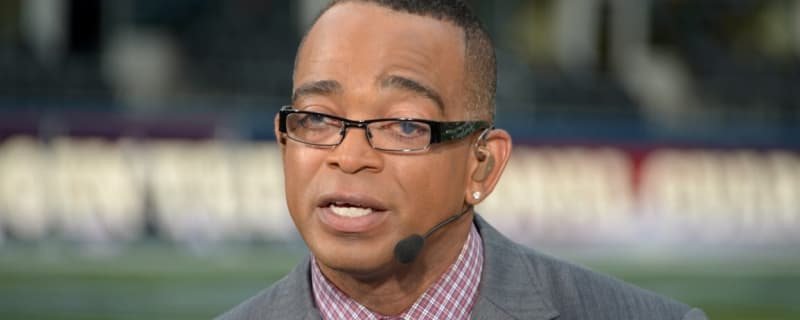
ESPN Pays Touching Tribute to Stuart Scott on 10th Anniversary of Passing
Stuart Scott, the iconic ESPN SportsCenter anchor, entered many of our lives in 1993. Joining what was then destination cable television, the morning routine for sports fans nationwide, Scott separated himself from a stable of anchor talent with catchphrases and a graceful way with words that captured the audience.

Scott Van Pelt gives touching tribute to Stuart Scott on anniversary of ESPN anchor’s death
On Jan. 4, 2015, ESPN icon Stuart Scott passed away. The legendary SportsCenter anchor died of cancer at the age of 49, but his legacy lives on at the network.
Miami Heat News / Miami Heat on SI / January 4, 2025

Flashback: LeBron James, Stuart Scott Talk After Miami Heat’s NBA Finals Win
Saturday marks a full decade since longtime ESPN anchor and SportsCenter host Stuart Scott tragically died at 49 following a prolonged battle with cancer.

Orlando Magic News / Back in the Day NBA on SI / December 24, 2024

How The Late Stuart Scott Played A Role In Orlando Magic Landing Penny Hardaway
NBA great Penny Hardaway was on the way to work out for the Orlando Magic in the summer of 1993. He was all prepared but only one thing was missing. After flying from Los Angeles, where he and Shaquille O'Neal were filming the movie Blue Chips, he had no ride from the airport to the Magic's arena.
NBA News / Basketball Network / December 17, 2024

Penny recalls the story of Stuart Scott driving him to the Magic's arena for his pre-draft workout: 'Let's stop by at McDonald's first'
Heading to the 1993 NBA Draft, Penny Hardaway was a lock to be drafted in the top three. Among the teams drafting in that position, he only worked out with the Golden State Warriors, who had the third pick, and the Orlando Magic, who had the No.1 overall selection.
NBA News / Back in the Day NBA on SI / September 10, 2024
ESPN's Stuart Scott Had Epic Recap Of Michael Jordan "Flu Game"
The late Stuart Scott changed the sports broadcasting landscape. He merged game coverage with hip-hop and pop culture, becoming a trendsetter. Scott, who
Breaking News
Trending News





Customize Your Newsletter
 +
+




Get the latest news and rumors, customized to your favorite sports and teams. Emailed daily. Always free!
Popular Quizzes



MY ACCOUNT
SUBSCRIBE
ADVERTISE
JOBS
FAQ
PRIVACY POLICY COOKIE POLICY CONTACT US
ABOUT YARDBARKER TERMS OF SERVICE


PRIVACY POLICY COOKIE POLICY CONTACT US
ABOUT YARDBARKER TERMS OF SERVICE
Copyright 2026 YB Media, LLC. All rights reserved.
By using this site, you agree to our Terms of Service and Privacy Policy.
This site is for entertainment purposes only.
There is no gambling offered on this site.
Gambling Problem? Call 1-800-Gambler.

By using this site, you agree to our Terms of Service and Privacy Policy.
This site is for entertainment purposes only.
There is no gambling offered on this site.
Gambling Problem? Call 1-800-Gambler.