
-

-


Follow Us
-

 On Facebook
 On Flipboard


 Free Newsletters
 On YouTube
MLB News / Viral Sports News / June 20
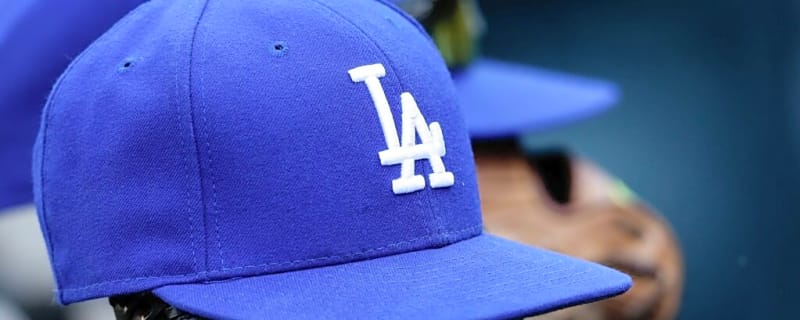
New Dodgers Rumor Involves a Former Yankees Standout
The Los Angeles Dodgers continue their pursuit of an unprecedented achievement, chasing a third straight World Series championship this season. With a roster stacked by elite talent, the club remains focused on fine-tuning every aspect of their lineup to maintain dominance through the regular season and into October.


The 'College World Series winners' quiz
The College Baseball World Series dates back to 1947. How many of the champions can you name?
Shohei Ohtani News / Dodger Blue / June 20

Dodgers Believe Shohei Ohtani Might Return Saturday
The Los Angeles Dodgers came away with their 23rd comeback win and fourth walk-off of the season on Friday night despite playing a man short, and a significant one at that.
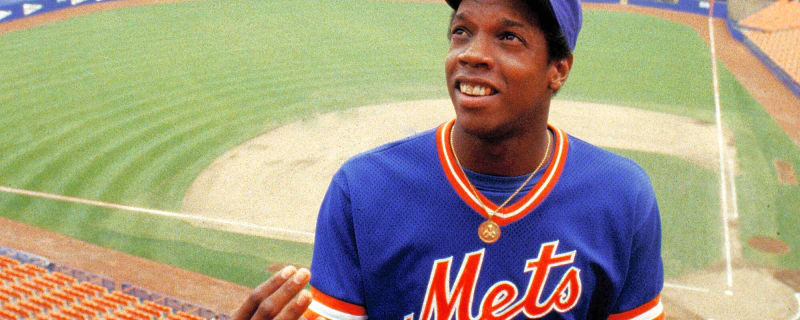
The 25 greatest rookie seasons in MLB history
Not every all-timer has instant success at the next level. For many baseball players, it takes a few bumps in the road out of the gate before they ever reach stardom.
MLB News / Field Level Media / June 20
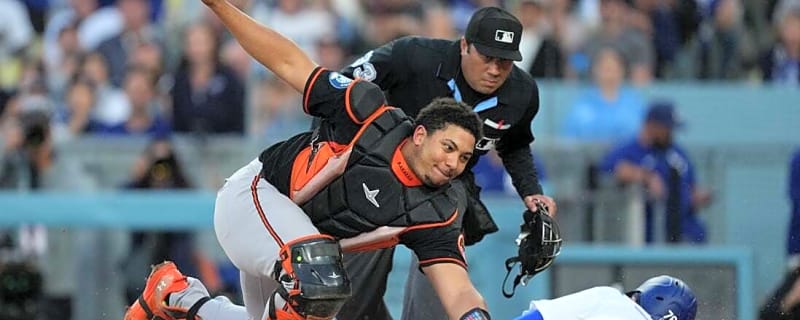
Error with 2 out in ninth gives Dodgers walk-off win over Orioles
Dalton Rushing delivered the game-tying RBI single with two outs in the ninth inning and Ryan Ward raced home on a throwing error by right fielder Tyler O'Neill to win it as the Los Angeles Dodgers roared back to edge the visiting Baltimore Orioles 6-5 in the opener of a three-game series on Friday night.
Dalton Rushing News / True Blue LA / June 20
Dalton Rushing walks it off in 3-run 9th inning rally 
Dalton Rushing walked it off with a clutch ninth-inning RBI base hit for the Dodgers (49-27), securing a 6-5 comeback victory over the Orioles (35-42) Friday night at Dodger Stadium.
Los Angeles Dodgers News / Dodger Blue / June 20
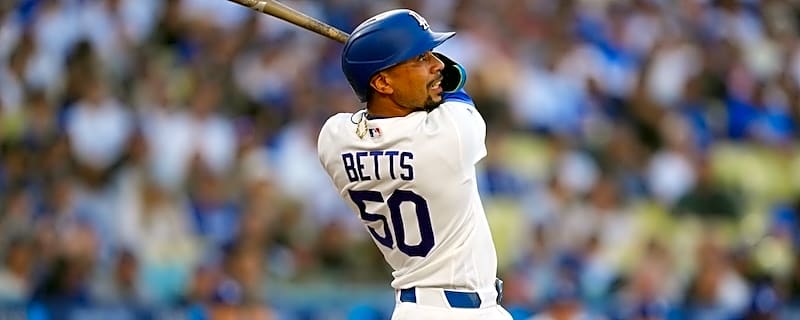
Recap: Dodgers Rally In 9th To Walk-Off Orioles
The Los Angeles Dodgers began their final home series of June with a matchup against the Baltimore Orioles in another battle against an American League East team.
Will Smith News / ESPN / June 19
Dodgers delay Smith's return from neck injury
Dodgers catcher Will Smith, who was due to return Friday, will not be activated this weekend and might not travel with the team on its road trip that begins Monday.
Yoshinobu Yamamoto News / True Blue LA / June 19
Dodgers on Deck: Saturday, June 20 vs. Orioles
The Dodgers turn to their ace on Saturday night against the Baltimore Orioles, with Yoshinobu Yamamoto coming off two gems in a row. Yamamoto retired his final 22 batters faced to beat the Angels on June 6 at Dodger Stadium, then retired his first 23 in a row against the White Sox in Chicago, taking a no-hitter into the ninth inning last Saturday.

Which 20 players have hit four home runs in an MLB game?
The only two things rarer in modern-day baseball than the four-homer game is the Triple Crown and the unassisted triple play. The former is, of course, done over an entire season, while there's a large level of lucky in the unassisted triple play.
Los Angeles Dodgers News / Dodger Blue / June 19

Shohei Ohtani Missing At Least One Game Due To Paternity Leave
The Los Angeles Dodgers lineup for Friday’s game against the Baltimore Orioles was released more than two hours later than normal, and once it was unveiled, it did not include Shohei Ohtani as the designated hitter.

Roki Sasaki News / Los Angeles Dodgers on SI / June 19

Dodgers' Roki Sasaki Earns Wild Comparison to All-Star Flamethrower
What do a 24-year-old from Japan and a 38-year-old from Cuba have in common? Not much, in almost any context. Yet the two baseball-loving nations have sent many natives to Major League Baseball, including Los Angeles Dodgers pitcher Roki Sasaki and Boston Red Sox pitcher Aroldis Chapman.
Los Angeles Dodgers News / Athlon Sports / June 19
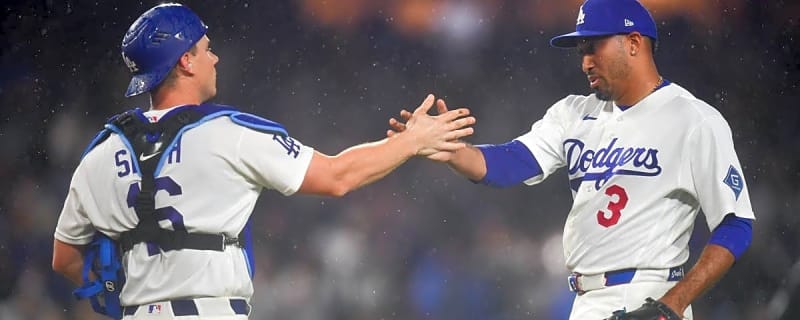
Dodgers' Edwin Díaz Takes Big Step in Rehab
Edwin Díaz took an important first step in his return to the Los Angeles Dodgers. Fabian Ardaya of The Athletic first reported that Díaz threw a bullpen session on Friday at Dodger Stadium as the hard-throwing righty looks to make his way back to the Dodgers' bullpen.
Kyle Tucker News / Los Angeles Dodgers on SI / June 19
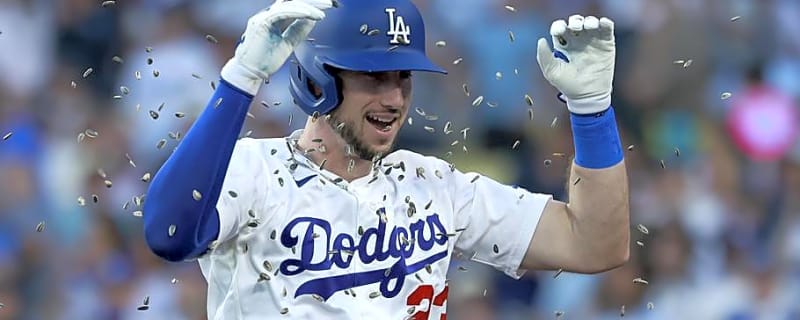
Dodgers' Kyle Tucker Addresses Pressure of Playing for $240 Million Contract
The Los Angeles Dodgers are looking to complete the rare three-peat this season, but with these plans comes a lot of pressure on the players. Over the last decade-plus, the Dodgers have played with all sorts of sky-high expectations on the team, and sometimes it can take its toll.
Mookie Betts News / Just Baseball / June 19

What’s Behind Mookie Betts’ 2026 Struggles?
Mookie Betts landed with the Los Angeles Dodgers ahead of the 2020 season and signed a 12-year, $365 million extension prior to the resumption of play in the COVID-19-shortened season.
Dalton Rushing News / Los Angeles Dodgers on SI / June 19

Dodgers Pitcher Credits Dalton Rushing for Getting Him Out of 'Mess'
The Los Angeles Dodgers survived Shohei Ohtani's worst statistical start of the 2026 season on Wednesday, eking out a 5-4 win over the Tampa Bay Rays. Dodgers star first baseman Freddie Freeman displayed his knack for clutch at-bats, launching a 407-foot home run that just barely escaped the reach of Rays center fielder Cedric Mullins.
Santiago Espinal News / Dodger Blue / June 19

Santiago Espinal Elects Free Agency After Clearing Waivers
Santiago Espinal cleared waivers and elected to become a free agent after a second time of being designated for assignment by the Los Angeles Dodgers this season.
MLB News / Yardbarker / June 19

Three potential landing spots for Red Sox closer Aroldis Chapman
Closer Aroldis Chapman will be one of the most sought-after players when the Boston Red Sox officially put him on the trade block.
MLB News / Field Level Media / June 19

Dodgers strive for something special to happen again vs. Orioles
The Baltimore Orioles did not reach the postseason a year ago, yet their visit to face the Los Angeles Dodgers in a three-game series that starts Friday night manages to bring the Dodgers' most recent run to the World Series to mind.
Santiago Espinal News / MLB Trade Rumors / June 18

Santiago Espinal Elects Free Agency
Santiago Espinal has cleared waivers and elected free agency, according to the MLB.com transaction log. The Dodgers designated the veteran infielder for assignment on Tuesday when Tommy Edman returned from injury.
Los Angeles Dodgers News / Viral Sports News / June 18
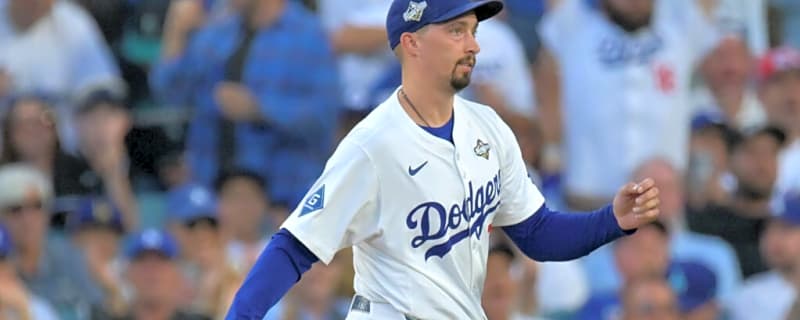
Dodgers’ $144 Million Situation Gets New Attention
The Los Angeles Dodgers continue to dominate the standings as the top team in Major League Baseball by total victories, even while operating without key starters Blake Snell and Tyler Glasnow.
Los Angeles Dodgers News / MLB on ClutchPoints / June 18

Here’s exactly what Dodgers want before trade deadline
The MLB trade deadline isn’t until August 3, but rumors are already starting to spread around the league. While the Los Angeles Dodgers are nine games ahead in the NL West, it appears the club knows exactly what it’s looking for before the trade deadline.
Los Angeles Dodgers News / Athlon Sports / June 17

Dave Roberts Announces Disappointing Will Smith Update After 11 Straight Missed Dodgers Games
The Los Angeles Dodgers have not missed a beat while defending both their 2024 and 2025 World Series victories. The team is 48-27, first place in the National League West by a large margin.
Santiago Espinal News / MLB Trade Rumors / June 16

Dodgers To Designate Santiago Espinal For Assignment
The Dodgers will designate infielder Santiago Espinal for assignment as the corresponding move for today’s activation of utilityman Tommy Edman, manager Dave Roberts told the team’s beat late last night (via Katie Woo of The Athletic).
MLB News / Yardbarker / June 15

Dodgers' Mookie Betts earning All-Star votes despite struggles
When it comes to Mookie Betts' actual production so far during the 2026 season, the Los Angeles Dodgers shortstop is enduring the worst year of his career.
Breaking News
Trending News






Customize Your Newsletter
 +
+



Get the latest news and rumors, customized to your favorite sports and teams. Emailed daily. Always free!
MY ACCOUNT
SUBSCRIBE
ADVERTISE
JOBS
FAQ
PRIVACY POLICY COOKIE POLICY CONTACT US
ABOUT YARDBARKER TERMS OF SERVICE


PRIVACY POLICY COOKIE POLICY CONTACT US
ABOUT YARDBARKER TERMS OF SERVICE
Copyright 2026 YB Media, LLC. All rights reserved.
By using this site, you agree to our Terms of Service and Privacy Policy.
This site is for entertainment purposes only.
There is no gambling offered on this site.
Gambling Problem? Call 1-800-Gambler.

By using this site, you agree to our Terms of Service and Privacy Policy.
This site is for entertainment purposes only.
There is no gambling offered on this site.
Gambling Problem? Call 1-800-Gambler.