
-

-


Follow Us
-

 On Facebook
 On Flipboard

 Free Newsletters
 On YouTube
Philadelphia Phillies News / The Good Phight / July 2
Phillies on the Pharm: 7/2/2026 
It was a watery day for the Phillies affiliates, with the IronPigs encountering rain and the Threshers meeting the Mighty Mussels in a battle combining marine biology and baseball.
Philadelphia Phillies News / The Good Phight / July 2
What’s the hottest baseball game you’ve ever been to?
If you are heading down to the Phillies game this afternoon, you are braver than most. The weather forecast is something akin to the surface of the sun, as the temperature is expected to reach into the triple digits with feels like temperatures surpassing 110 degrees.
Philadelphia Phillies News / The Good Phight / July 2
Phillies News: Bryce Harper, Gage Wood, Trade Deadline
I think it’s safe to say that the Phillies have Paul Skenes’ number this season. They roughed him up for the second time this season after teeing off on him in Pittsburgh back in the end of May.
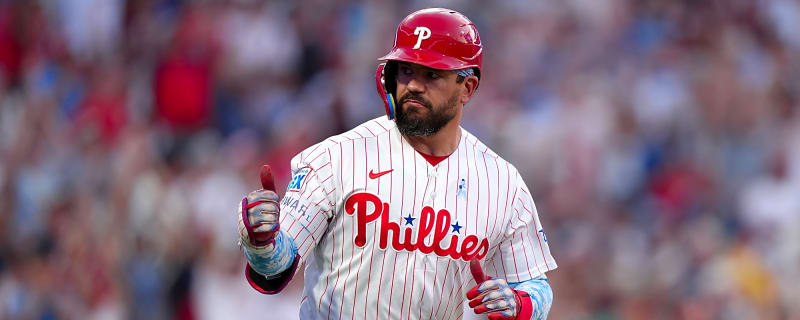
The 'Active MLB XBH leaders' quiz
How many of the active MLB players to rack up at least 500 extra base hits in their career can you name in five minutes?
Brandon Marsh News / MLB on ClutchPoints / July 2

Phillies star Brandon Marsh’s breakout season draws ‘110%’ admission from teammate
Brandon Marsh is having the best season of his career, and his teammates are not the least bit surprised. The Phillies outfielder has broken out in a big way in 2026, emerging as one of the National League’s most productive hitters and a strong candidate to start the All-Star Game in his home ballpark.

25 MLB players most likely to be traded by the deadline
The MLB Trade Deadline has been quieter in recent years, in part due to playoff expansion, but 2026 is shaping up to be a more exciting one with several big names.

MLB News / Field Level Media / July 2

Pirates look to slow Phillies' explosive offense in series finale
Trea Turner and the Philadelphia Phillies have scored 25 runs in their three games against the Pittsburgh Pirates this week. The Phillies hope to author another strong offensive performance Thursday afternoon, when the Pirates visit for the finale of a four-game set.
Philadelphia Phillies News / Yardbarker / July 2

Zack Wheeler displeased despite Phillies win over the Pirates
The Philadelphia Phillies offense came to life again against the Pittsburgh Pirates, plating 10 runs to the Pirates' six, to combine for 18 runs scored in the past two games.
Trea Turner News / Phillies Nation / July 2
Trea Turner has long way to go to recover from bad start, but 3 homers in 3 games helps
PHILADELPHIA — Trea Turner’s slow climb back is on. There is no sugar coating it: He has been unfathomably bad this year. His season OPS dipped all the way to .595 on June 15.
Alan Rangel News / Phillies Nation / July 1
Phillies won’t use opener in finale of Pirates series; Alan Rangel set to make first career start
PHILADELPHIA — Right-hander Alan Rangel will make his first career start on Thursday afternoon after eight career appearances in the big leagues and two turns through Philadelphia’s rotation since last week.
MLB News / Field Level Media / July 1

Trea Turner homers again as Phillies rough up Paul Skenes, Pirates
Trea Turner homered for the third straight game as the Philadelphia Phillies hammered Paul Skenes in a 10-6 victory over the visiting Pittsburgh Pirates on Wednesday.

25 MLB players who could be first-time All-Stars in 2026
Being named to the Midsummer Classic is one of the biggest honors for MLB players. These 25 players have a chance to make their first All-Star appearance in 2026 based on their first-half performances.
MLB News / Yardbarker / July 2

Something is wrong with Pirates ace Paul Skenes
The Pittsburgh Pirates might have a Paul Skenes problem.

Paul Skenes News / The Good Phight / July 1
Peachy Skenes: Phillies 10, Pirates 6
What were you expecting? I was expecting a pitchers’ duel, and so were you, probably. Paul Skenes vs. Zack Wheeler, a heavyweight bout. I had a whole plan for this recap: take each inning like a round of a prize fight, load it up with boxing references.



Philadelphia Phillies News / Sports Media Watch / July 1
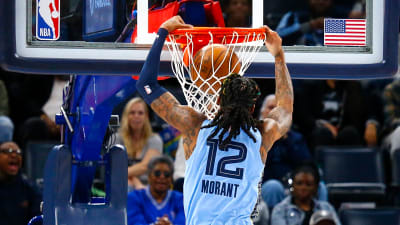
News: ESPN-NFLN studio, Phillies RSN, PGA Tour and more
The following article "News: ESPN-NFLN studio, Phillies RSN, PGA Tour and more" originally appeared on Sports Media Watch. ESPN is consolidating its West

Two Key Phillies Players Getting on Track at the Plate
The Philadelphia Phillies have been arguably the best team in baseball since they made a managerial change. Rob Thomson was fired after the team started 9-19.
Kyle Schwarber News / MLB on ClutchPoints / July 1

Phillies’ Kyle Schwarber planning extremely obvious Home Run Derby decision
Phillies slugger Kyle Schwarber is keeping his Home Run Derby cards close to the vest, but the decision feels painfully obvious. Schwarber, one of the
Philadelphia Phillies News / Yardbarker / July 1

Justin Crawford's in-season adjustments paying dividends
The grind of a 162-game season has not been kind to Philadelphia Phillies outfielder Justin Crawford. However, some in-season adjustments have helped the 22-year-old find his stroke at the plate of late.
Philadelphia Phillies News / Stadium Rant / July 1
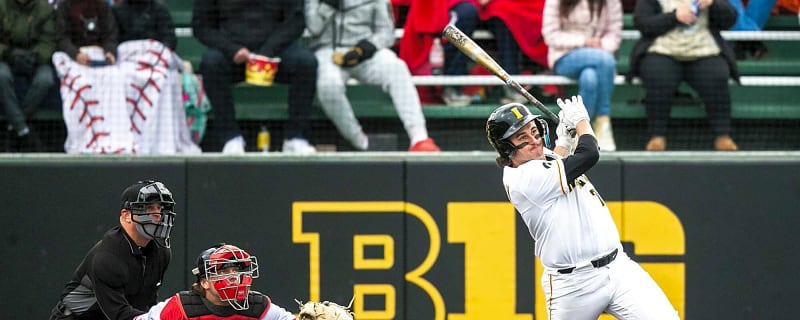
Philadelphia Phillies Prospect Rankings: Top 15 Prospects Ahead Of MLB Trade Deadline
The Philadelphia Phillies Prospects list is not one that rivals the league’s best, but it still features a number of major names who could impact the big-league club.
Cristopher Sanchez News / Field Level Media / July 1

Cristopher Sanchez fans 9 in 7 innings as Phillies shut out Pirates
Cristopher Sanchez worked seven strong innings while guiding the Philadelphia Phillies to an 8-0 win over the visiting Pittsburgh Pirates on Tuesday. Sanchez (10-3) allowed just three hits and two walks, striking out nine, as he became the first starting pitcher to reach 10 wins this season.
Lou Trivino News / MLB Trade Rumors / June 30

Phillies Select Lou Trivino
The Phillies announced that they have selected the contract of right-hander Lou Trivino. Fellow righty Chase Shugart was optioned to Triple-A Lehigh Valley in the corresponding active roster move.
Philadelphia Phillies News / MLB on ClutchPoints / June 30

John Kruk, Tom McCarthy debut Phillies’ Brandon Marsh beards amid All-Star voting
The Philadelphia Phillies turned Brandon Marsh’s All-Star push into a lighthearted broadcast moment Monday night at Citizens Bank Park, where John Kruk and Tom McCarthy leaned into the outfielder’s growing campaign during a matchup vs.

Noah Kahan breaks silence with 1 word as tour smashes Philadelphia Phillies’ stadium record
After his sold-out show on the Great Divide Tour at the Philadelphia Phillies’ stadium, Citizens Bank Park, broke an attendance record, folk singer-songwriter Noah Kahan reacted to the news.
MLB News / Larry Brown Sports / June 27

Derek Hill robs Juan Soto with stunning Catch of the Year candidate
In a spectacular defensive gem Friday night at Citi Field, Philadelphia Phillies outfielder Derek Hill delivered one of the season’s most breathtaking plays, robbing New York Mets star Juan Soto of a potential two-run home run in the first inning of a 2-1 Phillies victory.
MLB News / Athlon Sports / June 26

Mets announce multiple roster moves before Phillies series opener
In the midst of a chaotic Friday morning, the New York Mets made several more roster moves ahead of their series opener against the Philadelphia Phillies.
Philadelphia Phillies News / MLB Trade Rumors / June 23

Phillies, Jackson Rutledge Agree To Minor League Deal
The Phillies re-signed reliever Jackson Rutledge on a minor league contract, according to the MLB.com transaction tracker. He was assigned back to Triple-A Lehigh Valley, where he’ll go on the injured list.
Breaking News
Trending News






Customize Your Newsletter
 +
+




Get the latest news and rumors, customized to your favorite sports and teams. Emailed daily. Always free!
MY ACCOUNT
SUBSCRIBE
ADVERTISE
JOBS
FAQ
PRIVACY POLICY COOKIE POLICY CONTACT US
ABOUT YARDBARKER TERMS OF SERVICE


PRIVACY POLICY COOKIE POLICY CONTACT US
ABOUT YARDBARKER TERMS OF SERVICE
Copyright 2026 YB Media, LLC. All rights reserved.
By using this site, you agree to our Terms of Service and Privacy Policy.
This site is for entertainment purposes only.
There is no gambling offered on this site.
Gambling Problem? Call 1-800-Gambler.

By using this site, you agree to our Terms of Service and Privacy Policy.
This site is for entertainment purposes only.
There is no gambling offered on this site.
Gambling Problem? Call 1-800-Gambler.