
-

-


Follow Us
-

 On Facebook
 On Flipboard

 Free Newsletters
 On YouTube
Denver Nuggets News / Denver Stiffs / June 24
Denver Nuggets select Bryce Hopkins with the 49th overall pick in the 2026 NBA Draft 
After making no selections in the first round of the 2026 NBA Draft, the Denver Nuggets picked two players tonight in the second round. The second player they selected was Bryce Hopkins out of St.
Denver Nuggets News / Denver Nuggets on SI / June 24

What's Next for the Nuggets After NBA Draft Night Trade
The Denver Nuggets walked into the first night of the 2026 NBA Draft with the 26th overall pick. However, as many fans feared, they walked out without a new rookie.
Denver Nuggets News / Denver Nuggets on SI / June 24

6 Prospects the Nuggets Can Target in the 2nd Round of the NBA Draft
On the first night of the 2026 NBA Draft, the Denver Nuggets opted to trade out of their No. 26 pick in order to secure the No. 35 pick in the second round, pairing with their existing selection at 49, while also picking up two future seconds–– one in 2028, and another in 2031.

The 'No.1 NBA Draft picks' quiz
The NBA implemented a lottery system beginning with the 1985 draft. Since then, 41 players have gone No. 1 overall. How many of the top overall picks from the NBA's lottery era can you name in five minutes?

NBA News / NBA on ClutchPoints / June 24

Nuggets, Spurs trade grades for 2026 NBA Draft deal
The first round of the NBA Draft didn’t have many surprises during the first half, but it was the second half that was full of trades. One of those trades happened to be toward the end of the round, when the Denver Nuggets traded the No.

The 25 most impactful international NBA draft picks of all-time
The NBA is truly a global league. As such, there have been historical impacts left on the game by players of all walks of life. Some of the game's all-time

Stan Kroenke News / EssentiallySports / June 24
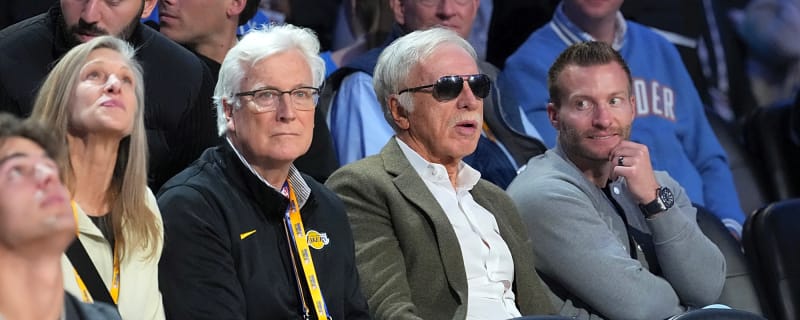
Nuggets War Room Footage Shows Josh Kroenke’s Frustrated Retort to Front Office Member After Trading Their Draft Pick to Spurs
Before the draft, the Denver Nuggets needed forward depth, a defensive-minded big man, or a backup ball-handler. With $203 million in guaranteed money on the books for just eight players next season, drafting the right piece was crucial.
Denver Nuggets News / Denver Nuggets on SI / June 23

Latest Intel on How Nuggets Could Use Their No. 26 Pick
The Denver Nuggets will be on the clock in the 2026 NBA Draft soon enough, and while they have gone most of this year's draft cycle without letting much information out about their plans, we are finally getting a clear idea of what they have in mind.
Jonas Valanciunas News / Denver Nuggets on SI / June 23

The Writing Is on the Wall for Jonas Valanciunas' Nuggets, NBA Future
It's starting to look more and more like Denver Nuggets big man Jonas Valanciunas might not have only just spent his last season in the Mile High this past year, but it also might've marked his last season in the NBA entirely.
Denver Nuggets News / Denver Nuggets on SI / June 22

Nuggets' DaRon Holmes Focused on One Major Improvement in Year Two
The Denver Nuggets finally got to see their 2024 first-round pick, DaRon Holmes, on the floor for his rookie year during their 2025-26 campaign after missing all of the previous season due to a torn Achilles.
Denver Nuggets News / Denver Nuggets on SI / June 22

Nuggets NBA Draft Big Board: Top Targets for Every Pick and Every Round
On the eve of the 2026 NBA Draft, we are getting a clearer picture of how things will shake out, but there is still plenty of uncertainty. The Denver Nuggets have kept things under wraps leading up to draft night, but we can still examine their likely top options.
Denver Nuggets News / Denver Nuggets on SI / June 22

Nuggets NBA Draft Rumors: What’s Real, What’s Smoke, & What to Watch
The 2026 NBA Draft is right around the corner, meaning it'll be time for the Denver Nuggets to have a great opportunity of both adding a batch of new young talent onboard, and perhaps re-shaping this current roster around the edges.

Every NBA team's best-ever second-round draft pick
In the NBA Draft, the first round is where teams look for players who could be stars or at least contribute right away. Then there's the second round, where the stakes are low and not much is expected.
Denver Nuggets News / Denver Nuggets on SI / June 22

Nuggets NBA Mock Draft 2.0: Final Picks for Every Round
It is officially NBA Draft week, and while it would be great to have an idea of what the Denver Nuggets are planning to do, they have kept everything under wraps.
Denver Nuggets News / Denver Nuggets on SI / June 21

Why Nuggets Trading Up in the NBA Draft Is Too Good to Be True
The Denver Nuggets have been the latest team finding themselves in the middle of some buzzing draft rumors as it relates to potentially trading up the board in the first round.


Denver Nuggets News / NBA on ClutchPoints / June 21

Nuggets rumors: The draft trade package Denver is willing to discuss
With the Denver Nuggets preparing for the 2026 NBA Draft, which starts on Tuesday, the team could also be one to make a trade with its selections. As rumors surround the Nuggets on what moves they are trying to make, this NBA insider gives insight into the package that the franchise is willing to discuss.
Denver Nuggets News / Denver Nuggets on SI / June 21
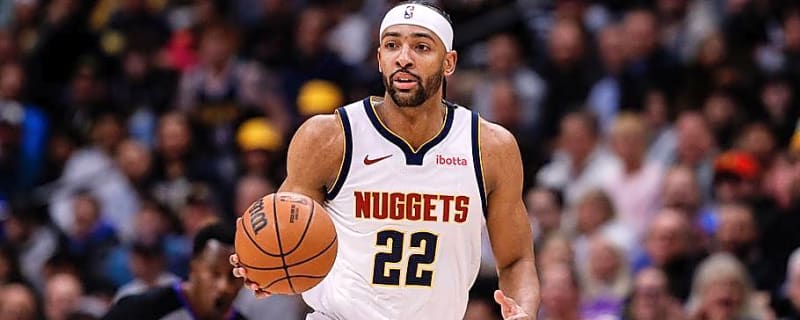
Nuggets Could Make a Mistake With New NBA Draft Trade Rumors
The 2026 NBA Draft is swiftly approaching, and there are still plenty of questions about what the Denver Nuggets are planning. The Nuggets hold the 26th overall pick, but there is speculation they could end up trading it on draft night.
Denver Nuggets News / Denver Nuggets on SI / June 20

3 Sleepers the Nuggets Could Steal at No. 26 Pick in the NBA Draft
The Denver Nuggets are just days away from deciding what to do with the No. 26 pick in the 2026 NBA Draft, and with it, they could have the chance to add a nice young spark to their rotation ahead of next season.
Klay Thompson News / Denver Nuggets on SI / June 20

Why Nuggets Trading for Klay Thompson Makes More Sense Than You Think
The Denver Nuggets are bound to be turning over every stone as it relates to getting this roster better and more well-rounded this summer from what they showcased last season.
Denver Nuggets News / Denver Nuggets on SI / June 20
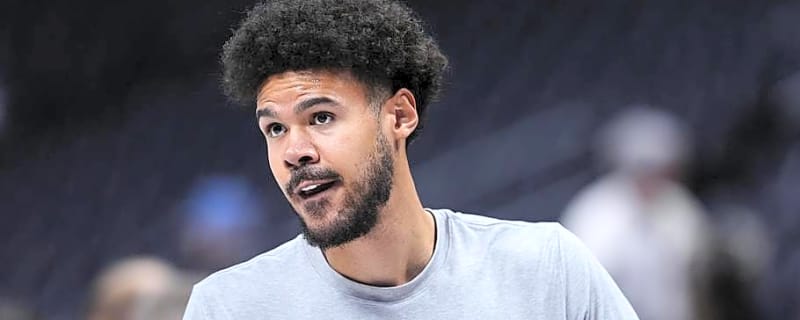
Two Realistic Trade-Up Scenarios for the Nuggets in 2026 NBA Draft
With just three days until night one of the 2026 NBA Draft, the Denver Nuggets are gearing up to make a selection with the 26th overall pick. There are
Nikola Jokic News / NBA on ClutchPoints / June 19
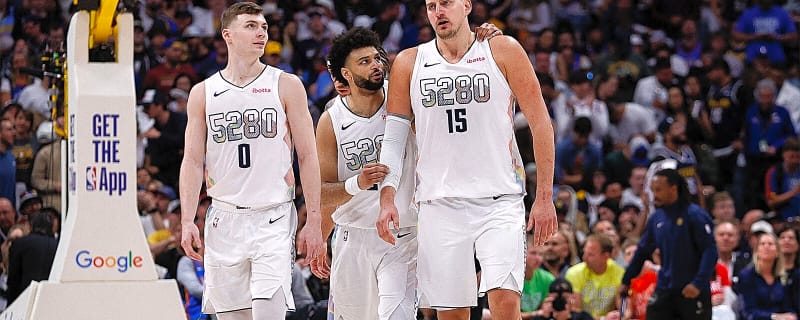
Nuggets’ perfect 2026 NBA Draft trade to help Nikola Jokic
The Denver Nuggets don’t need another superstar. They already have Nikola Jokic and Jamal Murray. What they need is more consistent support. They need guys who can survive the brutal reality of modern playoff basketball when Jokic isn’t on the floor.
Denver Nuggets News / Larry Brown Sports / June 19

Report: Nuggets could sign a very familiar player to Nikola Jokic
The Denver Nuggets are going back to the drawing board after a first round exit this year, and their first order of business could be to appease franchise center Nikola Jokic.
Denver Nuggets News / The Lead / June 18

What Are the Biggest Threats to Nuggets’ Championship Window?
It’s been just over three years since the Denver Nuggets’ first NBA championship. Since then, plenty has happened with the team. While Denver remains a contender with Nikola Jokić, the roster has seen immense changes since 2023.
Aaron Gordon News / Hoops Wire / June 14

Nuggets’ Aaron Gordon reportedly drawing trade interest
If the Nuggets end up making a significant trade this summer, rival teams apparently know where they’d like Denver to start: Aaron Gordon. According to Marc Stein of The Stein Line, Gordon has emerged as one of the most sought-after players on the Nuggets’ roster as teams around the league look for ways to improve heading into next season.
NBA News / Hoops Wire / June 14
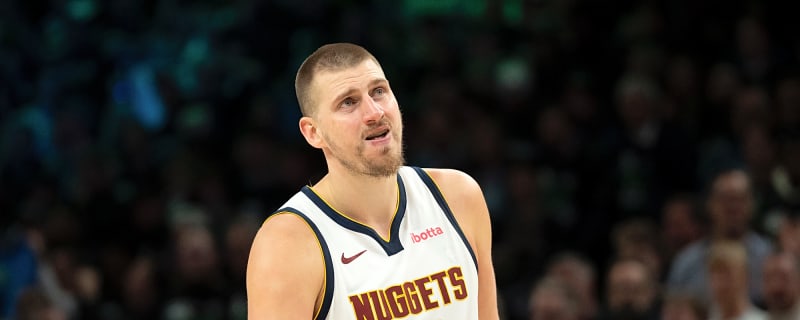
NBA Rumors: Nuggets, Nikola Jokic, Rockets, Kevin Durant, Lakers
One thing we know about the Nuggets? Nikola Jokic will be back. Apparently, so will coach David Adelman. Other than that, it appears to be one big mystery.
Denver Nuggets News / Stadium Rant / June 13

2023 Nuggets: The Team That Lifted The Curse
This is for all the nostalgic Denver Nuggets fans out there. It’s been three years to the day since they ended their 47-year drought. Let’s take a look back on their run three years ago. The 2022-2023 Nuggets were all about reinforcements.
Nikola Jokic News / Hoops Wire / June 9

Nuggets expected to explore changes around Nikola Jokic
The Nuggets may be headed for a busy offseason. According to ESPN’s Shams Charania, Denver is expected to listen to trade inquiries on virtually every player not named Nikola Jokic as the organization searches for ways to maximize its championship window.
Breaking News
Trending News





Customize Your Newsletter
 +
+




Get the latest news and rumors, customized to your favorite sports and teams. Emailed daily. Always free!
MY ACCOUNT
SUBSCRIBE
ADVERTISE
JOBS
FAQ
PRIVACY POLICY COOKIE POLICY CONTACT US
ABOUT YARDBARKER TERMS OF SERVICE


PRIVACY POLICY COOKIE POLICY CONTACT US
ABOUT YARDBARKER TERMS OF SERVICE
Copyright 2026 YB Media, LLC. All rights reserved.
By using this site, you agree to our Terms of Service and Privacy Policy.
This site is for entertainment purposes only.
There is no gambling offered on this site.
Gambling Problem? Call 1-800-Gambler.

By using this site, you agree to our Terms of Service and Privacy Policy.
This site is for entertainment purposes only.
There is no gambling offered on this site.
Gambling Problem? Call 1-800-Gambler.