
-

-


Follow Us
-

 On Facebook
 On Flipboard


 Free Newsletters
 On YouTube
Cincinnati Reds News / Cincinnati Reds on SI / October 17

If the Reds Want to Return to the Postseason, This Has to Change
It would be really cool to be watching the Cincinnati Reds play some postseason baseball. Unfortunately, not all dreams can become reality. One year ago, Reds fans were watching their team in the playoffs for the first time since the shortened 2020 season.
Cincinnati Reds News / Cincinnati Reds on SI / October 16
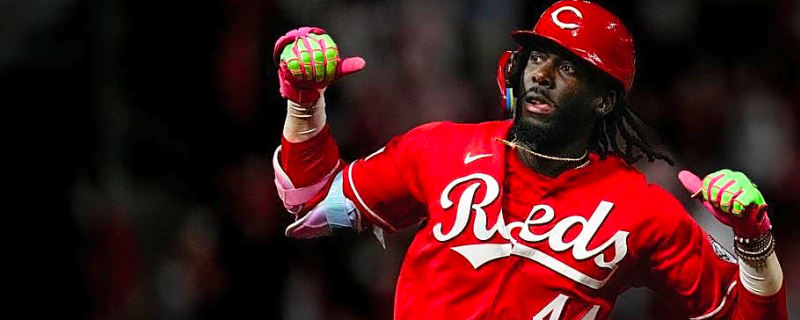
The Cincinnati Reds Are Giving Elly De La Cruz Little Reason to Stay
The Cincinnati Reds' 2026 season can be summed up with one word: disappointing. After a postseason appearance in 2025, the expectations were for more than a playoff appearance this year.
Cincinnati Reds News / The Lead / October 16

Elly De La Cruz Entered Superstar Status in 2026
In a year of high expectations, the Cincinnati Reds fell well short of their goals. Finishing last in the NL Central and 13 games from a wild-card spot, it was a lost season in Cincinnati. After a promising start to the season, the year that started great turned into a year to forget.


The 'NLCS MVPs' quiz
MLB has been awarding the National League Championship Series MVP Award since the 1977 season. How many of the winners can you name in six minutes?

Joey Votto News / Cincinnati Reds on SI / October 16

Joey Votto Calls Out the Cincinnati Reds for a Problem They Should Be Able to Fix
Since the end of the 2026 regular season, fans, media members, and former players have questioned the Cincinnati Reds’ direction. Now, Joey Votto is raising concerns about where the organization is falling short.

25 things we learned from the 2026 MLB season
The 2026 MLB season was full of great performances, breakout stars, and incredible feats. These are the 25 things we learned along the way.
Joey Votto News / Cincinnati Reds on SI / October 15

Joey Votto Reveals One Major Move He Would Make as Reds GM
The Cincinnati Reds are on the sidelines during October, and it's a painful reminder of what the expectations were for this season. Back in March, this fan base had every right to believe that this team would make its second straight appearance in the postseason.
Oswaldo Cabrera News / MLB Trade Rumors / October 15

Reds Avoid Arbitration With Oswaldo Cabrera
The Reds announced that they have agreed to a one-year, Major League contract with utilityman Oswaldo Cabrera. The signing allows the two sides to avoid salary arbitration, and MLB.com’s Mark Sheldon reports that Cabrera will earn $1MM in guaranteed salary plus up to $200K in bonuses related to plate appearances.
Cincinnati Reds News / Cincinnati Reds on SI / October 15

3 Cincinnati Reds Players Who Could Be Traded This Offseason
The Cincinnati Reds need to make some big moves this offseason if they want to get out of the basement of the National League. They struggled last season after getting off to a hot start.
Cincinnati Reds News / Red Reporter / October 15
Elly, Chase, and Expectations – Part 2 
In part 1 of this series, I looked at the past 30 years or so of teams and what we might generally expect based on little more than knowing how good a team’s best two players. Today, in part 2, we’ll pick up with a question that wonders if it should matter that De La Cruz and Burns were paid so little, relative to the overall team payroll.

25 records that were broken during the 2026 MLB season
The 2026 MLB season was historic in many ways. These 25 records were broken during the season.
Carlos Sanchez News / Cincinnati Reds on SI / October 14
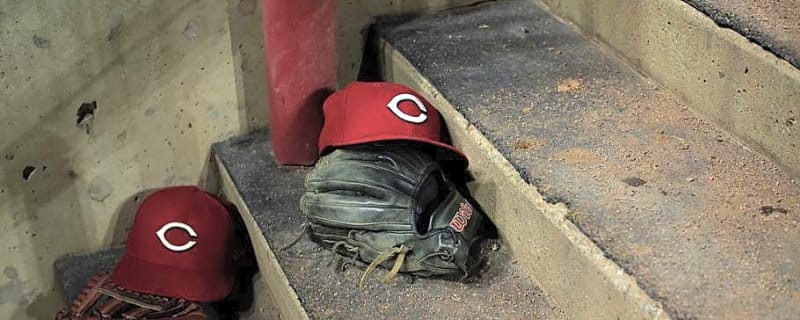
Reds Prospect Could Force Key Roster Decision With Strong Arizona Fall League Performance
MLB Pipeline has named five Arizona Fall League participants who could earn a spot on the 40-man roster. The Arizona Fall League is an opportunity for players who missed significant time due to injury to get more reps.
Sal Stewart News / Cincinnati Reds on SI / October 14

Reds Rookie Sal Stewart Moves One Step Closer to Major Honor After Impressive Season
Cincinnati Reds rookie Sal Stewart was the Reds’ most productive player for the majority of the 2026 season, putting together a historic rookie campaign.




Tejay Antone News / Cincinnati Reds on SI / October 14
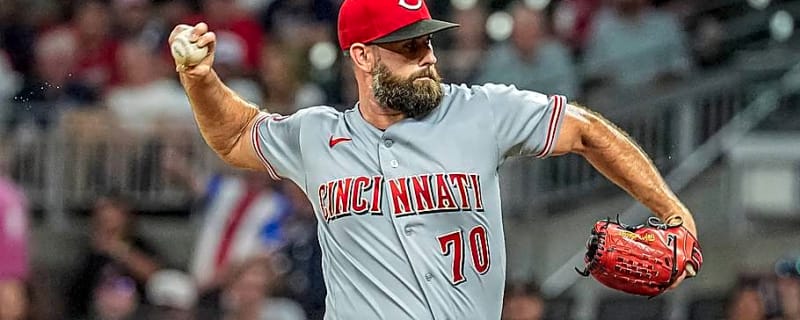
Tejay Antone Robbed of Comeback Award Recognition After Remarkable Season With the Reds
Tejay Antone came back from three Tommy John surgeries and put together a great season for the Cincinnati Reds. Apparently, that wasn't enough to even make him a finalist for the Players Choice National League Comeback Player of the Year Award.
Luke Holman News / Cincinnati Reds on SI / October 14

Two Reds Prospects Stand Out in Arizona Fall League, Including a Name Fans May Have Forgotten
Arizona Fall League has been underway for a couple of weeks now and two Reds' prospects impressed on Tuesday afternoon. Pitching prospect Luke Holman started for Peoria.
Cincinnati Reds News / Cincinnati Reds on SI / October 14
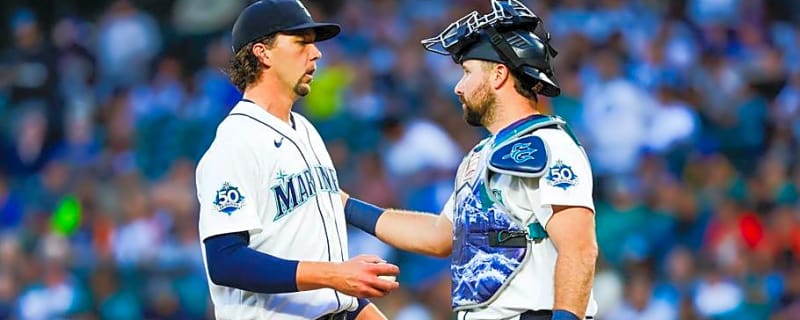
One Bold Cincinnati Reds Trade That Actually Makes Sense
While the Cincinnati Reds need to improve their offense this offseason, they also should focus on improving their pitching staff and there is one bold trade that makes sense.
Cincinnati Reds News / Cincinnati Reds on SI / October 13

The Biggest Thing Separating the Cincinnati Reds from the Remaining MLB Contenders
To be honest, it's been hard to watch the MLB Postseason. Watching the Milwaukee Brewers, Cleveland Guardians, and Tampa Bay Rays compete for a championship can make a small-market team fan very jealous.
MLB News / Red Reporter / October 13
Dayton still loves watching the Dragons play ball
The 2026 regular season marked the fourth straight year that Major League Baseball has seen overall attendance rise. As Sports Business Journal noted at
Cincinnati Reds News / Viral Sports News / October 8
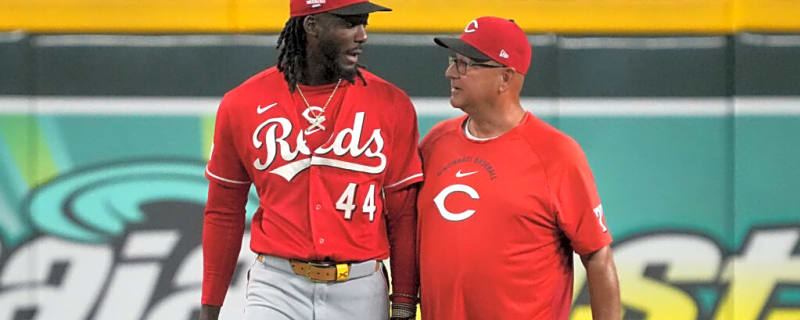
Cincinnati Reds Named Stunning Destination for 2-Time All-Star
The Cincinnati Reds enter another winter with a hole at second base and a fan base that has grown tired of watching the front office explain why the next move has to wait.
Sal Stewart News / Athlon Sports / October 8

Reds Should Explore Sal Stewart Position Change
Sal Stewart solidified himself as a core player for the Cincinnati Reds in his first full season. The 22-year-old played in all 162 games and earned All-Star honors, slashing .263/.330/.457 with 32 home runs, 112 RBI, and 15 stolen bases.
Cincinnati Reds News / Viral Sports News / October 8

Cincinnati Reds’ Elly De La Cruz Trade Rumors Take Another Turn
The only reason Elly De La Cruz’s name is floating anywhere near the New York Yankees this winter is because the Cincinnati Reds have not yet convinced him to stay.
Cincinnati Reds News / Just Baseball / October 8

The Cincinnati Reds’ Catching Situation Is Dire
The Cincinnati Reds‘ season has come and gone, and we are once again focusing on next year’s roster at the beginning of October. This season was similar to years past, when the Reds lacked enough talent and depth to push for the playoffs.
Cincinnati Reds News / Just Baseball / October 6
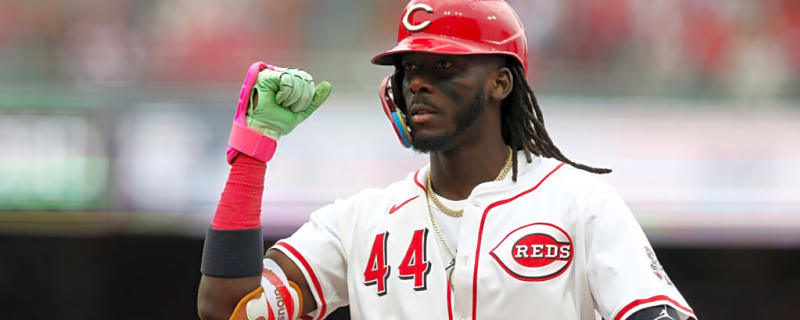
5 Things We Learned About the Reds in 2026
The Cincinnati Reds finish the season 75-87, leading us to, once again, think about anything other than actual baseball in October. A 20-11 record through April caught fans’ attention before the Reds went under .500 in four of the last five months.
Cincinnati Reds News / Yardbarker / October 6

Three questions facing the Cincinnati Reds this offseason
The Reds may be at a crossroads.
Will Benson News / Viral Sports News / October 5
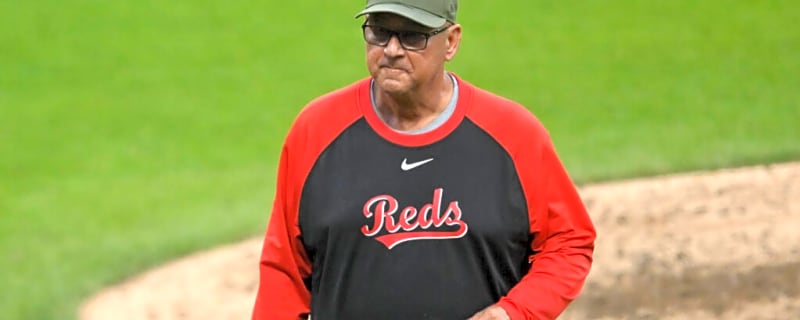
Cincinnati Reds Lose Former First-Round Pick to Free Agency
Will Benson’s four-year run with the Cincinnati Reds ended this week when the outfielder elected free agency, closing a chapter that began with a first-round pedigree and never quite settled into a steady major-league role.
Cincinnati Reds News / MLB Trade Rumors / October 2
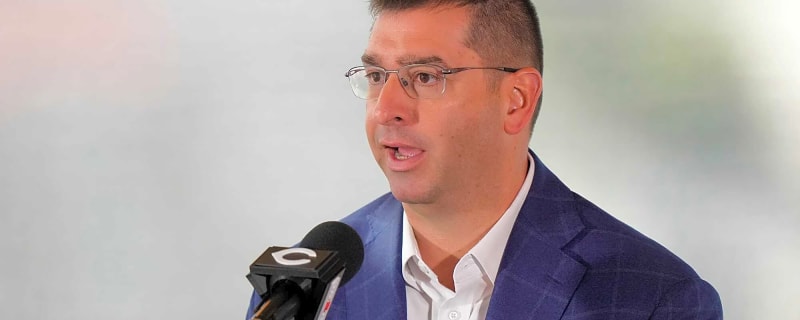
Krall Discusses Reds’ Position Player Needs
The Reds enter the offseason looking to rebound from a last place finish in the NL Central. They have deficiencies in virtually every of the roster but will certainly need to improve an offense that ranked at the bottom of the National League in scoring.
Ivan Johnson News / MLB Trade Rumors / October 1

Reds Outright Ivan Johnson
The Reds sent infielder Ivan Johnson outright to Triple-A Louisville, relays Charlie Goldsmith of Charlie’s Chalkboard. Cincinnati never officially designated Johnson for assignment but apparently placed him on waivers this week.
T.J. Friedl News / Yardbarker / September 20

Reds designate TJ Friedl for assignment after rough stretch
The 2026 MLB season did not go the way that the Cincinnati Reds had hoped it would. Several key players took a step back, causing Cincinnati to miss the postseason for the fifth time in seven seasons. One player that took a major step back was outfielder TJ Friedl.
Sal Stewart News / Yardbarker / September 17
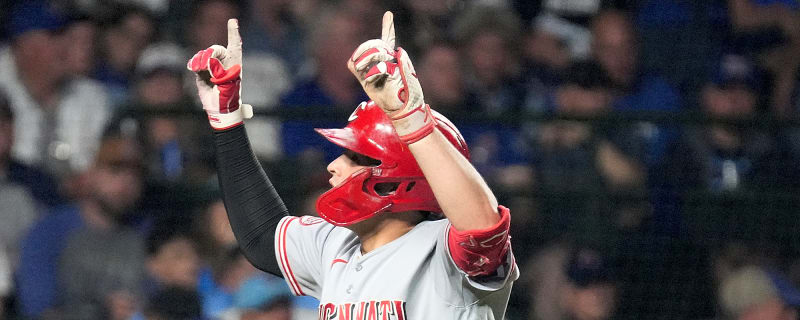
Sal Stewart's 32nd home run of the season cements his NL Rookie of the Year campaign
Cincinnati Reds first baseman Sal Stewart crushed his 32nd home run and 109th RBI of the season against the Los Angeles Dodgers on Thursday.
Breaking News
Trending News




Customize Your Newsletter
 +
+




Get the latest news and rumors, customized to your favorite sports and teams. Emailed daily. Always free!
MY ACCOUNT
SUBSCRIBE
ADVERTISE
JOBS
FAQ
PRIVACY POLICY COOKIE POLICY CONTACT US
ABOUT YARDBARKER TERMS OF SERVICE


PRIVACY POLICY COOKIE POLICY CONTACT US
ABOUT YARDBARKER TERMS OF SERVICE
Copyright 2026 YB Media, LLC. All rights reserved.
By using this site, you agree to our Terms of Service and Privacy Policy.
This site is for entertainment purposes only.
There is no gambling offered on this site.
Gambling Problem? Call 1-800-Gambler.

By using this site, you agree to our Terms of Service and Privacy Policy.
This site is for entertainment purposes only.
There is no gambling offered on this site.
Gambling Problem? Call 1-800-Gambler.